Ever since the Marvel Cinematic Universe came into existence, everyone has known the big idea was to connect all the stories from its movies and shows: a character from one story shows up in another, a decision made years ago comes back to haunt someone, and even a post-credits scene can serve as setup for a plot that won’t happen until much later. And for a long time, that was one of the coolest and most exciting ideas a studio had ever come up with, but as time goes by, it can end up becoming a problem because of a little thing called consistency. And in the past few years, that’s exactly what happened, with Marvel Studios trying to fix it. That doesn’t necessarily mean any of these productions are outright bad, but when you look at them as part of the entire franchise, they can feel pretty pointless.
Videos by ComicBook.com
So, here are 4 shows that are perfect examples of what I’m talking about. The MCU can absolutely tell smaller stories, experiment with different genres, and even play around with its own rules, but if a production introduces a huge change, creates an important connection, ot suggests a consequence that never actually comes, I can’t help but wonder if it really needed to exist.
4) The Falcon and the Winter Soldier
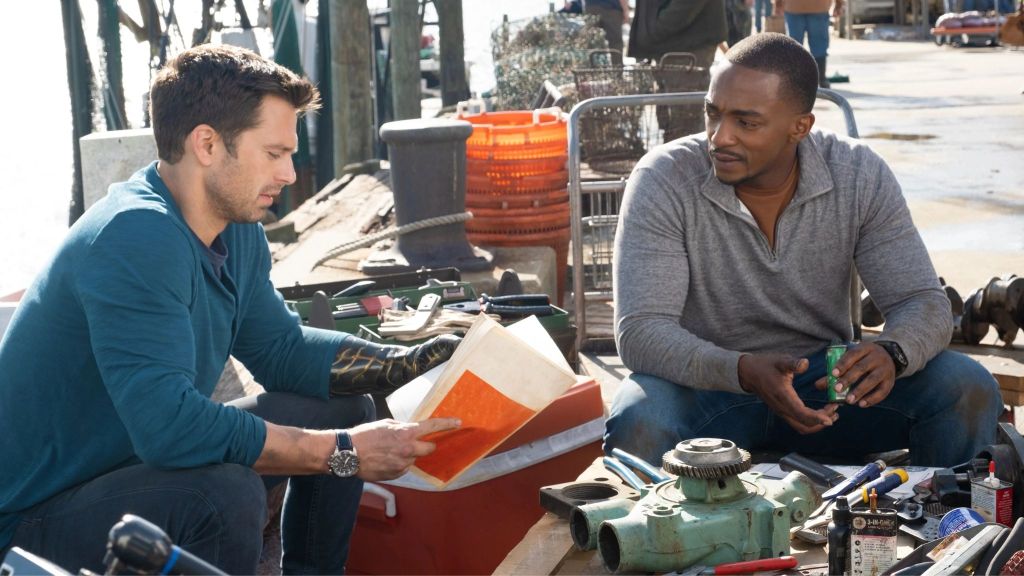
To start things off, I really like The Falcon and the Winter Soldier, but I still find it curious that it was the show chosen to deal with one of the biggest changes in the MCU: the world trying to get back to normal after the Blip caused by Thanos. The story follows Sam and Bucky as they face the Flag Smashers, a group that believes the world was better during the time when half the population was gone, while Sam tries to decide whether he really wants to take on the Captain America mantle. With that in mind, the Blip should have been the starting point for this story, but its consequences end up being more of a backdrop for a relatively conventional story about terrorism and the passing of a superhero legacy.
The show is good, and I don’t think the problem was that it tackled politics or social issues, but rather that it introduces huge situations and then resolves most of them in ways that feel way too small. The GRC is supposedly trying to reorganize the planet after billions of people return, but we barely feel the scale of that crisis, and that’s not really something you can just ignore. On top of that, Sam’s arc is what should hold everything together, but it takes so long to reach its conclusion that, when he finally puts on the new suit, it feels more like they’re fulfilling a promise made in Avengers: Endgame than reaching a conclusion that genuinely changed the character. I really think there was a better opportunity to take advantage of the timing, because it ends up feeling like a story that could have happened at pretty much any point.
3) She-Hulk: Attorney at Law
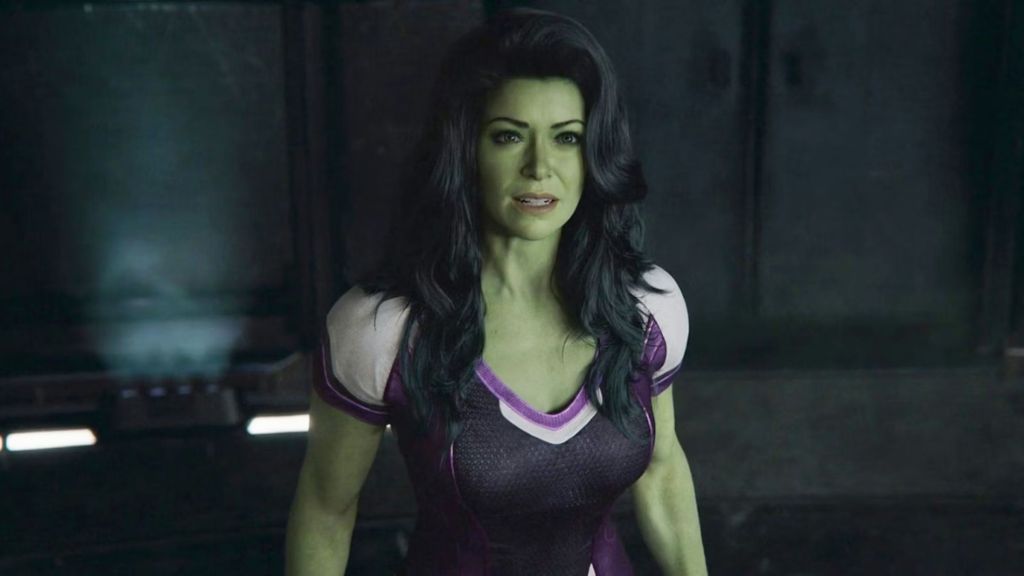
A controversial show, at least She-Hulk: Attorney at Law has an excuse: from the very beginning, it makes it clear that it isn’t going to follow the MCU’s traditional rules. In the story, we meet Jennifer Walters, a lawyer who gains Hulk’s powers after an accident involving Bruce Banner and has to balance her job, her relationships, and a new life where her clients can literally be people with superpowers. And, honestly, I think that’s a great idea for the MCU, since after all these years of watching heroes destroy cities and fight creatures, someone should finally ask who’s going to deal with the legal side of all this. The problem is that the show takes the joke so far that it reaches a point where it feels like it’s happening alongside the MCU, rather than actually within it.
We see that Jennifer knows she’s in a show, knows there’s a script structure controlling her life, and, in the end, decides to argue with K.E.V.I.N. about how her story should end. Is it funny? Yes, but it also makes the whole thing pretty hard to take seriously. Okay, Deadpool plays around with a lot of things too, but he can exist within the franchise and make jokes about it, while Jennifer takes it to the point of arguing with the very mechanisms that make the franchise work. I believe that makes the entire series feel somewhat out of place and less like something that was actually necessary for the MCU. If you take away the cameos from Bruce, Wong, and Daredevil, you’re basically left with a legal sitcom. That doesn’t make She-Hulk bad, but it does make it difficult to really justify its importance.
2) Ironheart
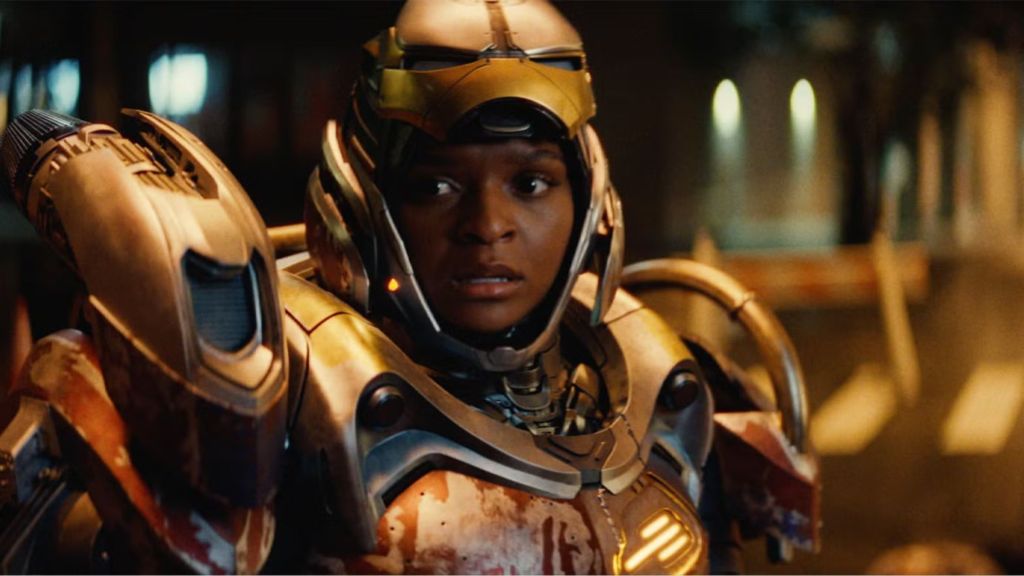
Ironheart came out last year, some people watched it and talked about it mostly because of the Mephisto cameo, and then pretty much any sign of hype disappeared. And if you stop to think about it, a big part of that comes down to the fact that the MCU spent more than a decade hammering home the idea that Tony Stark was basically the face of technology in that universe, so introducing a teenager who can build her own suit should have been a huge deal, right? The protagonist, Riri, first appears in Black Panther: Wakanda Forever and, in her own show, returns to Chicago, where she gets involved with the Hood, in a story that mixes her technology with some supernatural elements — and that’s strange. She didn’t need to be “the new Tony Stark,” but then I expected the show to have a stronger reason to exist.
What happens here is the series spends most of its time building its own world, and the connection to what came before is much less important than it should be. In other words, the protagonist is occupying a space that, until then, belonged to one of the most important characters of the whole franchise. Tony died, left behind a big legacy, and completely changed the way the Avengers and technology were viewed. So Riri could easily have been the person who inherited that world, rejected that legacy, or even tried to do something different with it, but it feels like Ironheart barely even considered any of these possibilities. So, I have to wonder what the point of creating this show was in the first place. For a franchise built specifically around the idea that everything is connected, that’s a problem.
1) Secret Invasion
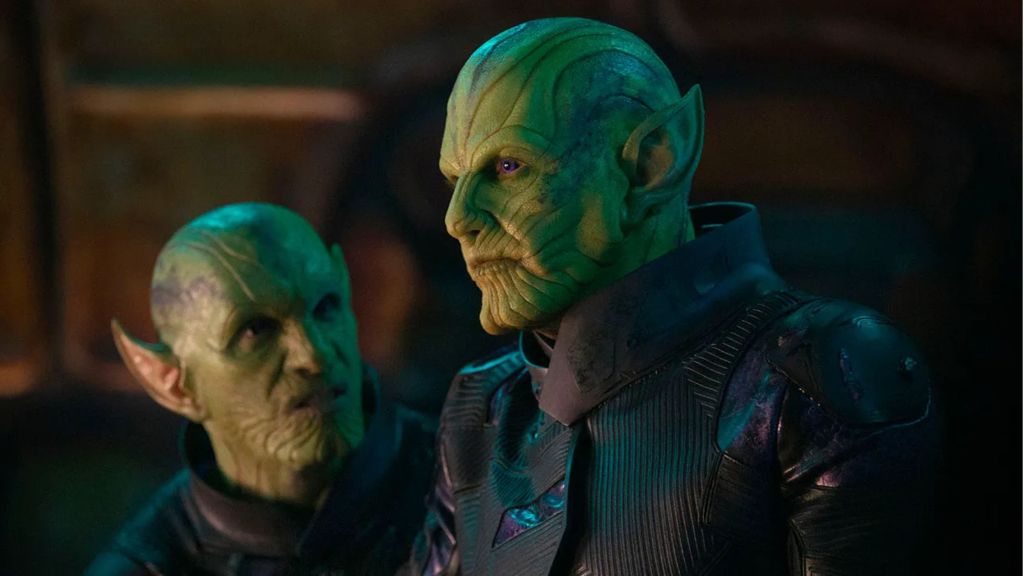
Everyone seems to prefer pretending Secret Invasion was just some massive MCU fever dream, because even now, it’s hard to understand just how much potential was wasted and what the studio was even thinking with it. The idea here was to bring Nick Fury back to Earth to deal with Gravik and a faction of Skrulls that decided to take over the planet after years of waiting for Fury to keep his promise of finding them a new home. However, these Skrulls can take on the appearance of anyone, so there’s a huge opportunity for literally any character to have been replaced without anyone noticing. That, by itself, should have been absolutely mind-blowing. But then, the series ends, and you’re left feeling that pretty much everything in the franchise can just continue as normal.
Rhodey was a Skrull? Great, but now the MCU needs to explain exactly when that happened, right? Maria Hill died? Yes, but the consequence of that basically disappears. G’iah gained ridiculously powerful abilities and became one of the most powerful characters in that universe? That happens too, and yet it doesn’t seem to cause any proportional change in the world. Secret Invasion didn’t need to reveal that half of the Avengers had secretly been Skrulls all along or anything like that, but it did need to make its own premise have consequences and carry them forward. If there’s an alien infiltration happening in positions of power that has been going on for years, then governments should be freaking out, heroes should start questioning each other, and everyone should completely lose trust in people they know. But the show builds all of that up and just closes the door.
More TV Shows
-
Image Courtesy of Universal -
IMAGE COURTESY OF COMEDY CENTRAL