
Go Nagai, a legendary manga artist and writer best known for his magnum opus Devilman is, unsurprisingly, one of the most influential figures in manga, being a trendsetter whose unconventional creativity and art influenced series like Berserk, Neon Genesis Evangelion, as well western properties like Transformers and Pacific Rim, it shouldn’t be surprising that Go Nagai’s work would have the power to influence an entire genre. In 1973, he did just that with the release of Cutie Honey, an offbeat magical girl manga that, while not the first of its kind, popularized and laid the foundation for the “magical girl warrior” trope, building on early magical girl concepts like Osamu Tezuka’s 1953 series Princess Knight and The Secret of Akko-chan, created by Fujio Akatsuka in 1962.
Videos by ComicBook.com
Cutie Honey built on the early framework for what the magical girl could be and turned the dial up to eleven, making its protagonist into a defiant action-focused hero with flashy transformations that would later inspire successors like Sailor Moon. Plus, Cutie Honey is widely recognized for being one of the first shonen manga to feature a solo female protagonist as opposed to having a male lead. While the series is still considered relatively niche among western anime fans despite being released fifty years ago, Cutie Honey has remained one of the most influential pieces of magical girl fiction and shonen manga in Japan.
Cutie Honey Is A Bombastic, Self-Aware Masterpiece
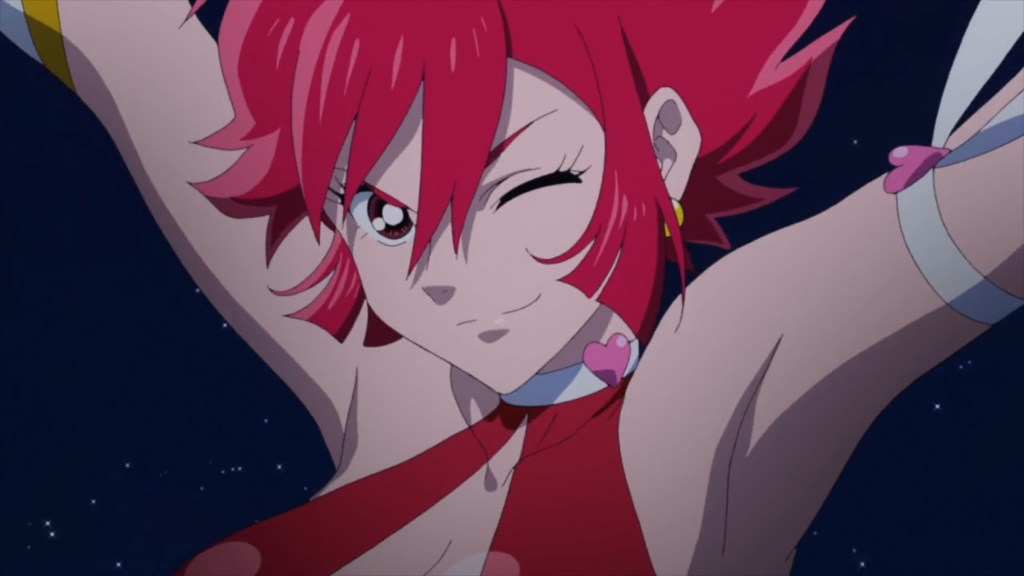
Like with all of Go Nagai’s work, Cutie Honey is hilariously over-the-top and knows exactly what it is. The original manga is perfectly campy, and with every new spin on the character or adaptation of Honey’s origins and adventures, audiences can expect the humor and action to blend seamlessly in creating something that is infectiously fun to watch. Go Nagai’s original Cutie Honey manga follows Honey Kisaragi, an average Catholic schoolgirl whose father is suddenly murdered by the elusive organization known as Panther Claw.
She soon learns that she’s actually a hyper-advanced android with a mechanism inside her that allows her to transform into a super-powered, red-haired heroine called Cutie Honey. Mischievous and full of charm, Cutie Honey embarks on a quest for revenge to discover who killed her father, and why the organization wanted her dead in the first place.
Cutie Honey has had numerous iterations following the success of Go Nagai’s work. Interestingly, while the original manga was considered a shonen manga, it was originally intended to be a shojo — something that was made possible with the release of Cutie Honey Flash, a 1997 animation project from Toei Animation and Go Nagai that reimagined Nagai’s original character design in a style skin to that of Sailor Moon. Cutie Honey received multiple spin-offs, sequels, live-action and anime projects, all of which having some input of Go Nagai in the handling of Honey, even if the series has unique artists or writing teams involved, even receiving multiple stage play projects.
How Go Nagai’s Original Work Shaped The Future Of Magical Girl Anime
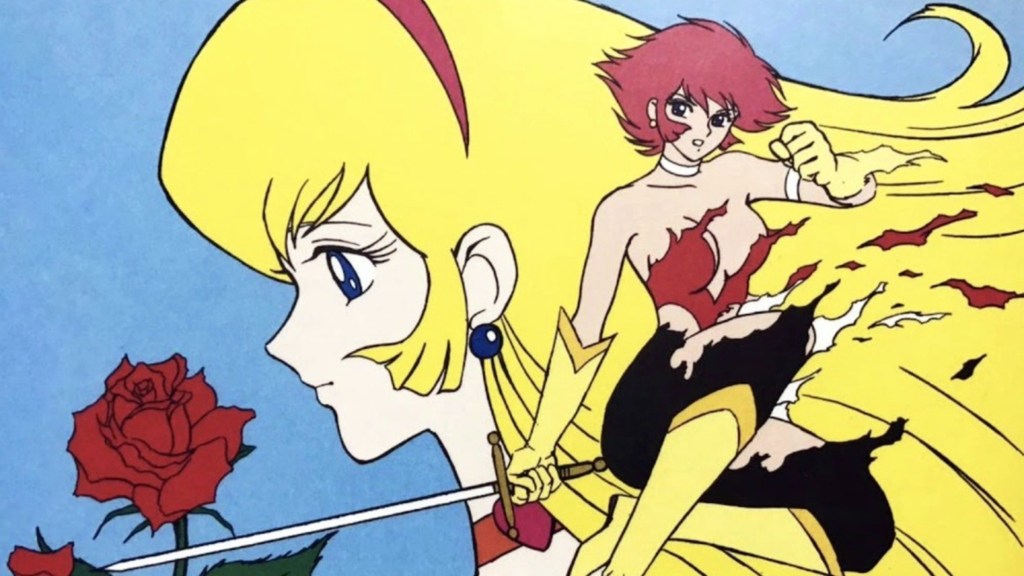
While Cutie Honey may seem unconventional compared to its modern contemporaries, that doesn’t mean the series didn’t have a massive impact at the peak of its popularity. As previously mentioned, the concept of the “magical girl warrior” seen in franchises like Sailor Moon and Cardcaptor Sakura were heavily influences by Cutie Honey, with Sailor V — Sailor Venus’s original alter ego in Sailor Moon, even using the exact same callout as Honey to pay homage to Go Nagai’s original series.
DokiDoki! Precure contains similar references, with one of its characters, Mamo, turns into a hero named “Cutie Madame” in one of the anime’s episodes. Funnily enough, Cutie Honey took inspiration from the same series inspired by it, with the aforementioned Cutie Honey Flash borrowing production staff from Toei Animation’s adaptation of Sailor Moon to give the anime a more contemporary shojo feel.
Needless to say, Cutie Honey is a massively influential franchise that, despite being relatively underground among western anime fans has created a ripple effect that can still be felt throughout the anime and manga industries. The series itself was inspired by timeless tokusatsu icons, building on that concept with outside influences from manga focusing on predominantly female heroes to create something inventive and fun. In that, Cutie Honey has succeeded in becoming timeless as well, with new projects featuring the super-powered android heroine still being produced as recently as 2018.
More Anime
-
Image Courtesy of P.A. Works -

Image Courtesy of Shueisha -
Image Courtesy of A-1 Pictures -
Image Courtesy of Walt Disney Animation Studios -

Image Courtesy of Disney -

Image Courtesy of UGT / Fuzzy Door / MRC -
Image Courtesy of TMS Entertainment -

Image Courtesy of Studio VOLN / Netflix
