My Hero Academia’s replacement, Vigilantes, is currently airing its second season, and it has highlighted the franchise’s greatest hero in a way the original series never did, an oversight that now feels striking. As a prequel, Vigilantes wasn’t expected to stand out, yet it introduced a far more grounded and realistic tone through elements the main series rarely explored. In many ways, the prequel also fulfills promises the original once made: the journey of a hero with no powers in a world defined by them. Koichi’s path as a vigilante reflects what fans once expected Deku’s story to be had he not been granted the most powerful ability.
Videos by ComicBook.com
With the original series now concluded, Vigilantes has effectively become its replacement, and it functions as a genuine upgrade. While its strongest foundation lies in its crime-thriller approach, the prequel also sheds new light on beloved characters from the main series, turning them into far more meaningful details. In its latest episode, Vigilantes finally brings back the franchise’s greatest hero, All Might, and unexpectedly presents him in a way the original never did, adding a level of realism that truly works.
My Hero Academia: Vigilantes Sheds New Light on Its Greatest Hero in Ways the Original Never Did
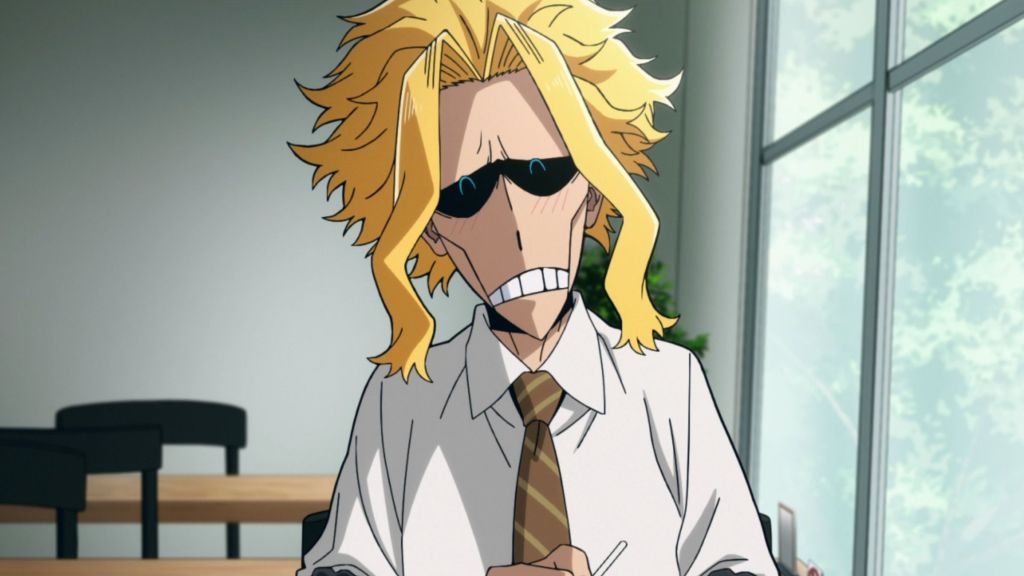
My Hero Academia: Vigilantes Season 2, Episode 3, titled “Public and Private,” features All Might embodying his role as the Symbol of Peace and savior of the people, before later presenting a more personal side through a conversation with Naomasa Tsukauchi that reinforces this new perspective. After learning that Tsukauchi was recently injured, All Might expresses concern, saying he could have simply been called in to save him and capture the villain. Tsukauchi, however, explains why he didn’t: if people were to discover that All Might had favorites, it could damage his public image. This highlights how, as the greatest hero, All Might’s image is inherently political, and how support from figures like Tsukauchi shows that he is not the Symbol of Peace alone, but someone upheld by many individuals behind the scenes.
Tsukauchi also notes that if villains learned All Might had favorites, it would become easier for them to set traps for him, creating even greater risks. These are the kinds of details the original series rarely explored, making their absence feel like an oversight, as they add a level of realism expected of a hero in All Might’s position. This approach makes All Might feel more human, rather than an untouchable, unwavering symbol. With moments like these, My Hero Academia: Vigilantes continues to inject a realism the original series often avoided, making it a strong replacement for fans still missing the main story.
What do you think? Leave a comment below and join the conversation now in the ComicBook Forum!
Most Viewed
-
Image Courtesy of TOHO -

Image Courtesy of Crunchyroll -
Image Courtesy of Marvel Comics -
Image courtesy of Marvel Studios