New anime stemming from the Shonen genre in the Shonen Jump magazine always gets special attention from the anime community. Fans have come to understand the formula of shonen series, and despite its repetitive patterns across many anime, it remains one of the most refined and popular genres. The narrative of a young protagonist striving to achieve their dream has always been compelling, and almost every season brings either a new shonen anime or the return of an existing one. The same holds true for the Spring 2026 season, as what could be Shonen Jump’s most unique anime in years is currently airing.
Videos by ComicBook.com
This new kind of shonen anime builds on the core foundations of the genre, coming-of-age storytelling, and the pursuit of dreams, while adding a distinctive twist. The anime in question is Akane-banashi, brought to life by Studio ZEXCS, perfectly capturing the essence of its narrative. On the surface, Akane-banashi may resemble a sports shonen drama, as it centers on rakugo competitions with Akane striving to become the best. However, the soul of the series lies in rakugo itself. As a traditional Japanese comedic storytelling art, rakugo is central to the anime’s identity, and Akane-banashi’s deep focus on it may feel too culturally specific for some Western fans to fully grasp.
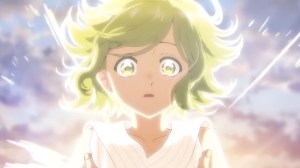
Shonen Jump’s New Anime Might Be Too “Japanese” for Western Fans to Truly Grasp Its Essence
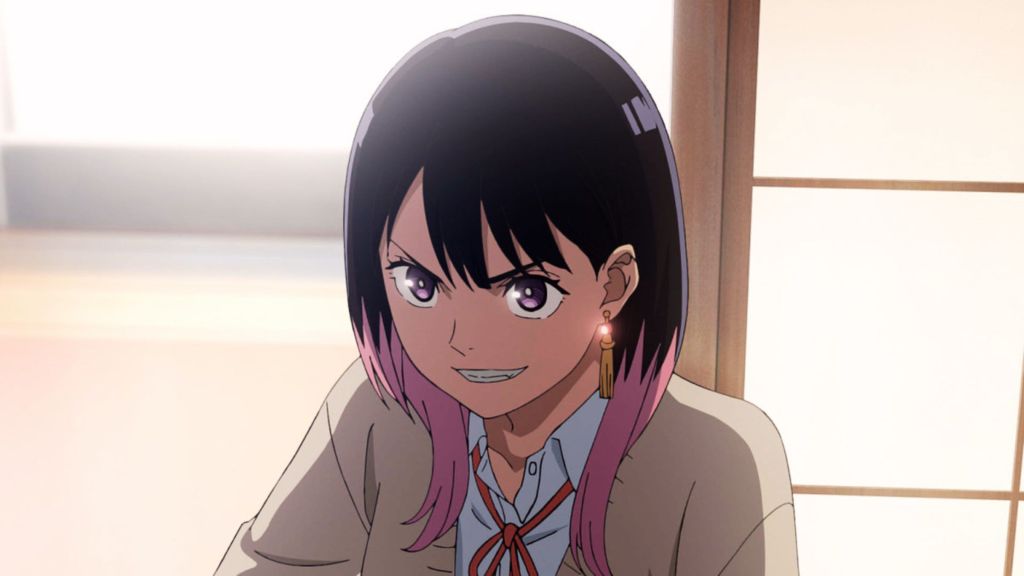
With rakugo being a Japanese comedic verbal storytelling art, its essence lies in the voice performance of the performer, the rakugoka. This is exactly what the first two episodes of the series aim to present. Additionally, since rakugo originates from Japan and the narrative reflects its roots, the series leans heavily into cultural references that may feel too niche for some audiences to fully understand. This challenge is already evident in the series when Akane performs the “Scared of Manju” story, a well-known tale in Japanese culture. While viewers may eventually grasp the context, the true highlight of the art lies in the voice performance and mimicry.
Akane’s performance in the latest episodes showcases her portraying multiple characters, with the voice actor delivering remarkable versatility by bringing five distinct roles to life within a single story. For non-Japanese viewers who do not understand the language, it can be difficult to fully notice these nuances, and relying on subtitles may further divide their attention. While an English dub might seem like a solution, the cultural references and inspirations rooted in Japanese tradition may still be difficult to fully capture.
That said, these are not reasons for fans to drop the anime. Even with its detailed nuances, Akane-banashi strongly captures the essence of a shonen story, and Studio ZEXCS elevates the source material in a way that shonen fans should not overlook. It’s simply that the adaptation is so deeply rooted in Japanese nuance that Western audiences may struggle to fully appreciate it unless they are familiar with the culture or understand the language.
What do you think? Leave a comment below and join the conversation now in the ComicBook Forum!
Most Viewed
-

Courtesy of Sony Pictures Animation / McDonald's -

Image courtesy of Marvel Television -

Courtesy of Sony Pictures Animation / McDonalds