After the ending of Jujutsu Kaisen in late 2024, Gege Akutami made a comeback with a sequel a year later. However, the series was announced to run only for a short tenure, and after six months of serialization and a total of 25 chapters, it came to an end on March 8, 2026. Considering that the ending of the original series was controversial, fans were naturally curious about how the sequel would conclude.
Videos by ComicBook.com
More or less, it is safe to say that the sequel was designed with its ending in mind from the start, as it concludes far more effectively than the original. In particular, there are three reasons why the ending of the Jujutsu Kaisen sequel stands as better than the original.
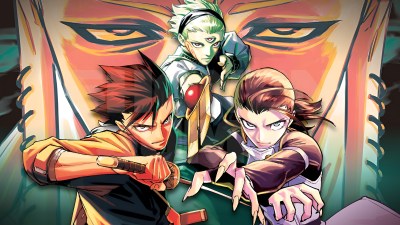
3) Villain’s Goals
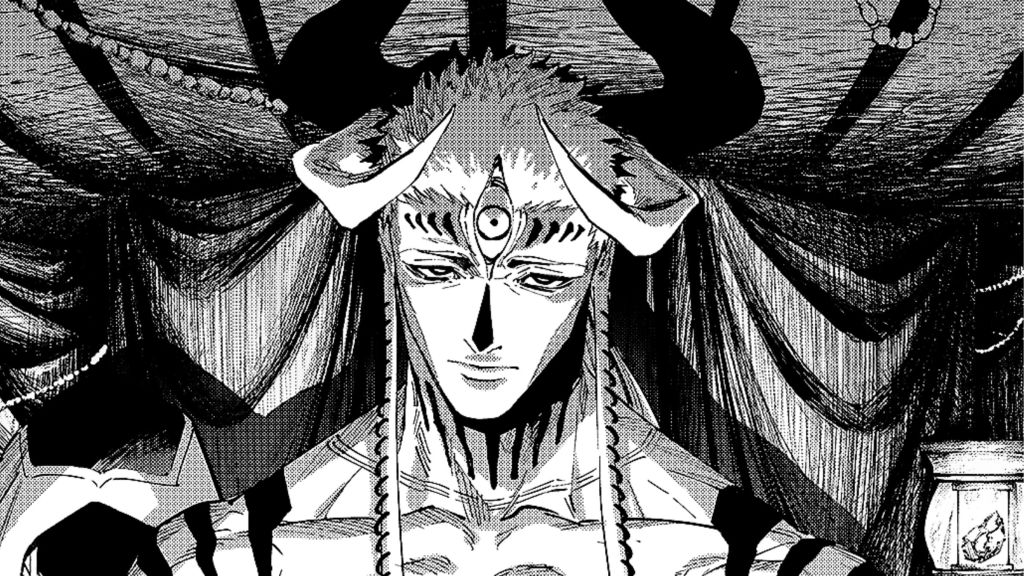
It was never very clear until the very end who the main villain of the original series was. Kenjaku initially emerged as the primary antagonist, only for Ryomen Sukuna to stand as the final force the heroes would face. While Sukuna was a great choice as the ultimate threat, the series never clearly explained why he fully emerged as the main villain.
However, the sequel improves on this aspect. Even though the Simurians are not presented as purely clear-cut villains, they are positioned as antagonists against the human sorcerers, with a defined purpose that drives their actions. Their motivations are rooted in emotion, rather than them abruptly emerging as villains without a clear reason.
2) Clear Battles
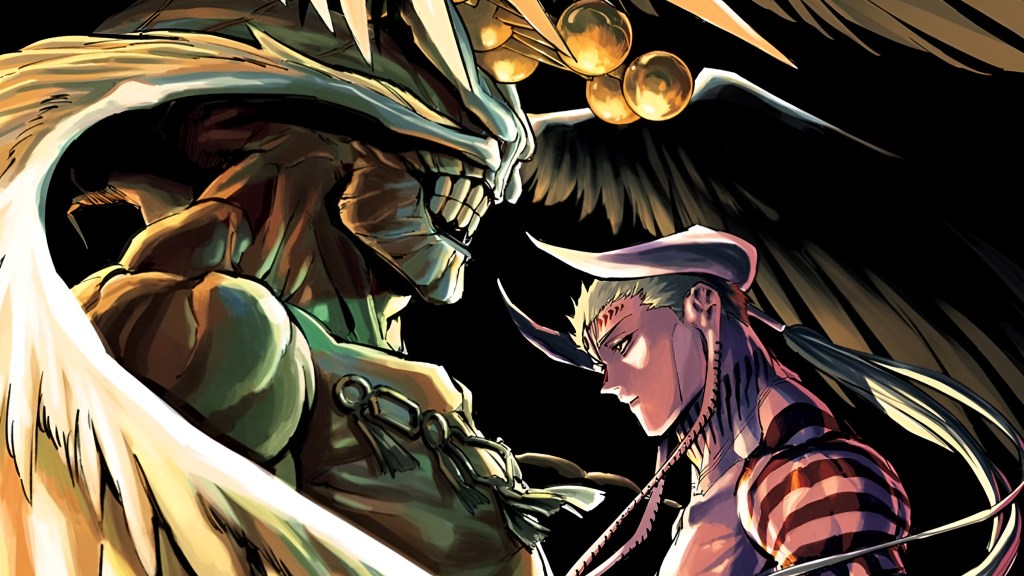
As the villain of the original, Sukuna did not have a clearly defined goal, which also made the driving force behind his final battle somewhat unclear. This does not leave any room for viewers to perhaps sympathize with him and question why he acts the way he does. In retrospect, the battle against Sukuna largely became about how long it would take the sorcerers to defeat him and his pride as the strongest. Meanwhile, the final two battles in Modulo were driven by a clear purpose.
The Simurians sought coexistence and therefore demanded a duel, with Dabura acting as their representative. At the same time, Yuka stepped forward and unleashed Mahoraga as the final act of a warrior, adding greater emotional stakes to the battle. Alongside this, the side fight between Maru and Tsurugi, as they fought for their family, heightened the tension even further. While the battles in the sequel may not be structured as impressively as those in the original Jujutsu Kaisen, their purpose is much clearer.
1) Effective Conclusion

The main reason the sequel’s ending emerges as the stronger one is how it provides a more definitive conclusion to the overall premise of the Jujutsu Kaisen franchise. At the end, Yuji Itadori and Maru devise a plan to eradicate cursed energy from humans, preventing the birth of cursed spirits. While this change will not immediately transform the Jujutsu world and certain precautions will still be necessary, Modulo lays the foundation for eliminating cursed energy and eventually turning society into a normal one.
In contrast, the ending of the original series concluded mainly with the defeat of Ryomen Sukuna and little beyond that. With the existence of cursed spirits and sorcerers also becoming public, the original ending suggested that this would simply become the new norm, something even non-sorcerers would have to live with. As a result, it did not fully conclude the premise, nor did it clearly resolve the purpose behind the final battle. Because of this more effective and definitive resolution, the ending of the Jujutsu Kaisen sequel stands out as the better one.
What do you think? Leave a comment below and join the conversation now in the ComicBook Forum!
More Anime
-

Courtesy of TMS Entertainment / Toho Animation / Pierrot -

Courtesy of Viz Media -

Image Courtesy of TMS Entertainment / Shonen Jump -

Courtesy of South Park Studios -

Image Courtesy of MAPPA -

Image Courtesy of Crunchyroll