Whether you worship the crisp ink of the manga or the flashing lights of the anime, Naruto is a story that thrives on emotion, and emotion doesn’t always behave itself in black and white. The manga told the story with lean precision. But the anime? It gave voice to those whispers and occasionally threw in a few unnecessary side quests to test our patience. Yet somehow, it still felt magical when it counted.
Videos by ComicBook.com
The truth is, animation gives Naruto permission to breathe in color and sound. Some feelings just refuse to stay still, and that’s why they live better in anime form. You can read Naruto and admire it, but when you watch it, you feel it — right up until the next filler arc reminds you the ninja world apparently runs on time-stretching jutsu.
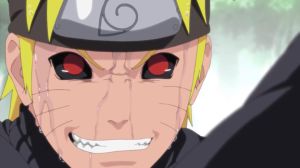
7. The Pain Assault Arc (Naruto vs. Pain)

The Pain arc stands as one of the most defining moments in Naruto, and the anime elevated it with spectacular animation and haunting music. Studio Pierrot poured its all into the destruction of Konoha, making Naruto’s arrival feel truly godlike. The explosions, the burning village, and the chaos had real cinematic weight that the manga couldn’t fully carry through its black‑and‑white panels.
When Naruto finally faced Pain, the anime’s dynamic choreography transformed their battle into a visual spectacle. The background score “Girei” intensified every strike, and the pacing gave time for the devastation of the battle to sink in. The finale — Naruto’s emotional revelation with Nagato — hit harder because th+e anime let the quiet moments linger.
6. Itachi’s Story and Final Moments
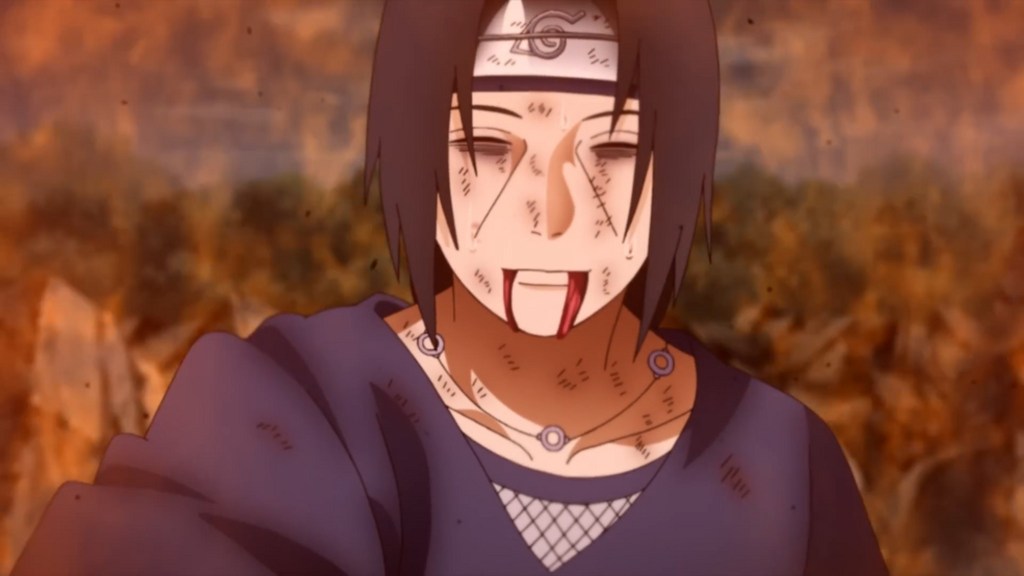
The anime gave Itachi Uchiha’s death a depth that the manga only touched on. Through subtle movements, silence, and music, it portrayed his love for Sasuke with heartbreaking clarity. When Itachi reached out to tap Sasuke’s forehead, the timing, lighting, and his faint smile turned a silent gesture into something unforgettable.
The flashbacks added later through Naruto: Shippuden’s filler episodes deepened our understanding of Itachi’s pain and sacrifice. Instead of rushing through revelations, the anime lingered in his loneliness and duty, allowing his story to resonate emotionally. It’s one of the rare times when additional material truly made a tragic ending better.
5. The Chunin Exam Fights
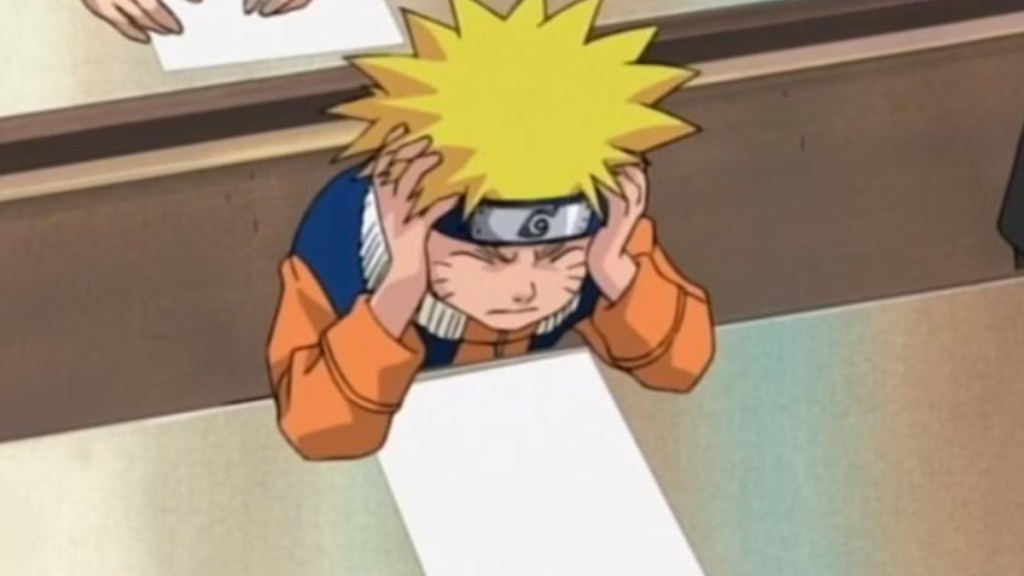
The anime versions of the Chunin Exam fights were masterpieces of pacing and tension. Rock Lee vs. Gaara, in particular, became legendary because of its fluid animation, sound design, and emotional build‑up. The manga paneling conveyed the action well, but the anime’s choreography and music made it feel like a clash of ideals — not just power.
Even smaller battles like Shikamaru vs. Temari and Naruto vs. Neji were better realized in motion. Character expressions, tactics, and the crowd reactions all contributed to the feeling of a real tournament with stakes. The anime gave these matches a tournament‑day electricity that the manga simply didn’t have room to replicate.
4. The Death of Jiraiya
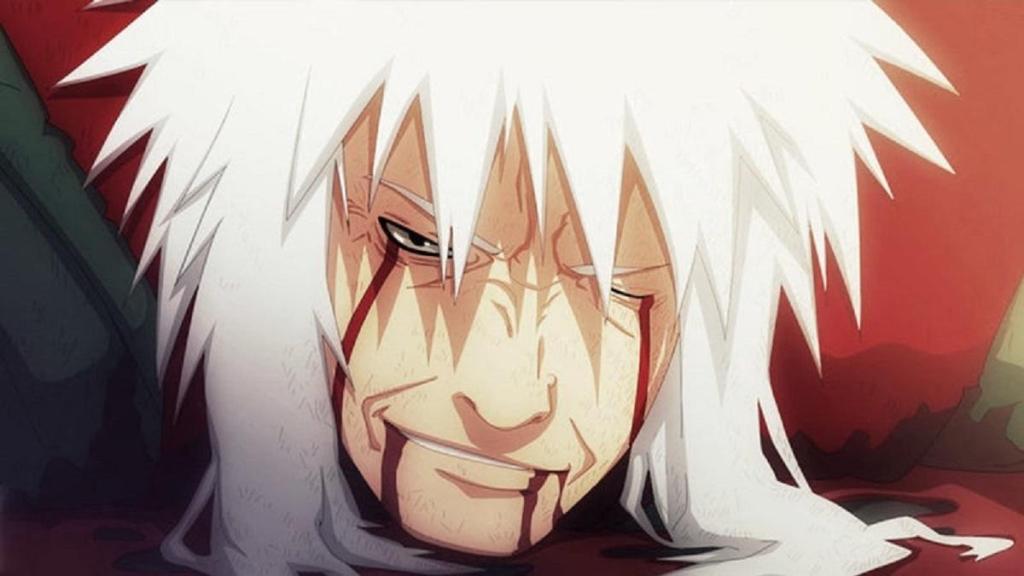
Jiraiya’s final stand against Pain remains one of Naruto’s emotional high points, and the anime turned it into a truly cinematic farewell. The pacing allowed every detail — from his witty grin to his broken body — to land with painful realism. The way his life flashed before him, mixed with his narration, gave fans a complete and heartbreaking send‑off.
The soundtrack choice, particularly the solemn “Departure to the Front Lines,” underscored the weight of his sacrifice. His last message being sent through the oil to Fukasaku had a visual intensity the manga couldn’t express. The anime’s direction gave Jiraiya a hero’s death that felt final, honorable, and deeply tragic.
3. Naruto vs. Sasuke (Final Battle)
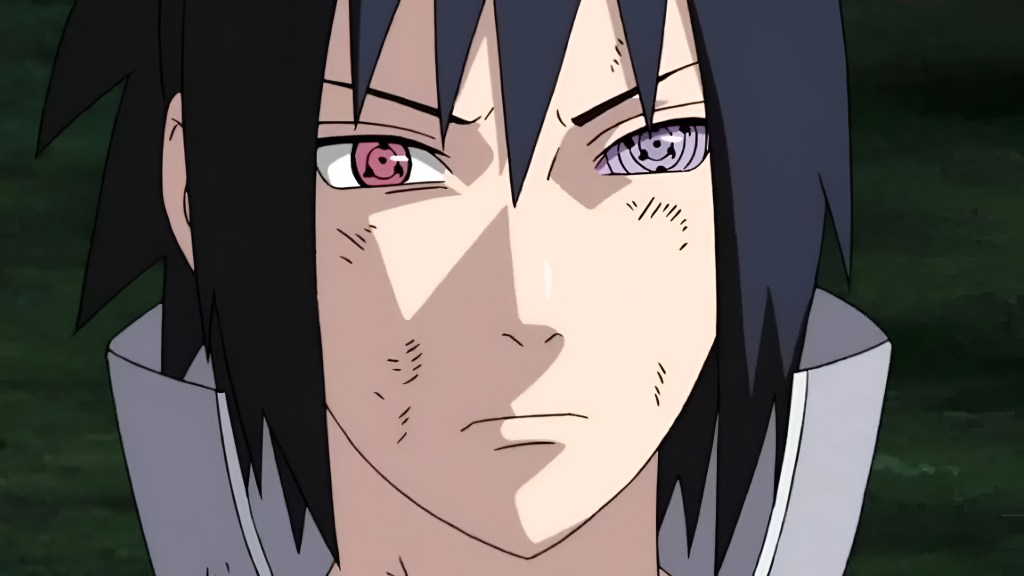
The manga’s final battle between Naruto and Sasuke was already iconic, but the anime’s rendition made it emotionally shattering. The raw animation gave every punch, every flash of Rasengan and Chidori, a weight that felt personal. It wasn’t about who was stronger anymore — it was about two broken people trying to understand each other.
The silence before their last clash, the drawn‑out exhaustion, and the blood mixing in the river told the story better than any dialogue could. The final scene where they lie side by side, laughing weakly, hit harder because the anime built up years of history into that moment through color, sound, and motion.
2. The Kakashi vs. Obito Fight
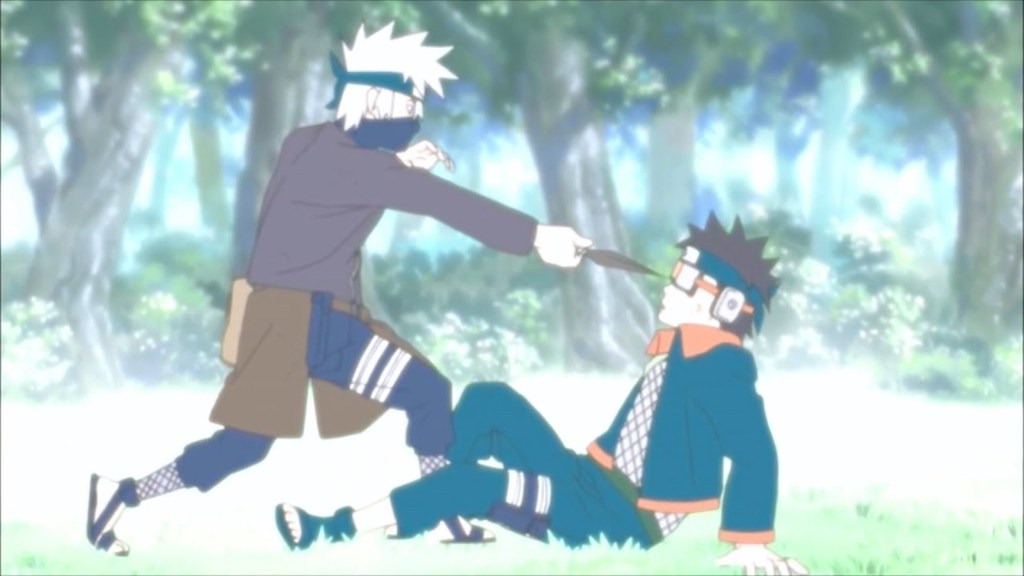
This battle exploded in popularity precisely because of the anime. Pierrot used fluid animation, hand‑to‑hand choreography, and clever transitions between past and present to show their bond and rivalry visually. The fight became more than an exchange of blows — it was a visual metaphor for two sides of the same life torn apart.
Switching between flashbacks of their childhood and the current fight gave emotional layering that wasn’t as easy to grasp in static panels. The sequence where both toss Kunai in perfect sync captured their shared instincts beautifully. The anime turned this encounter into both a painful reunion and an elegy for wasted potential.
1. The War Arc’s Emotional Climaxes
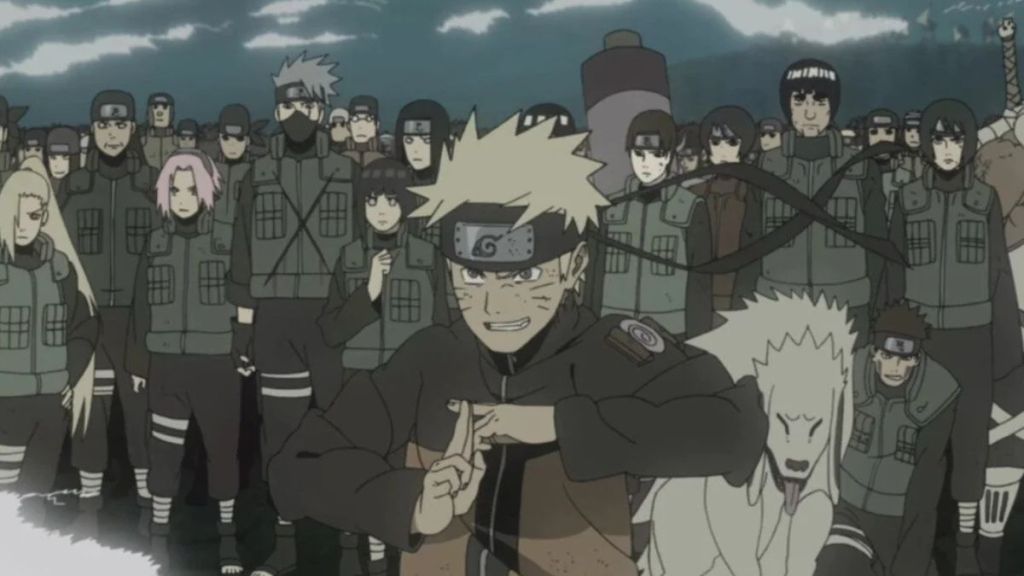
Despite pacing flaws, the War Arc’s anime adaptation delivered several emotional moments far better than the manga. Key sequences — like Naruto and Kurama’s full synchronization or the Allied Shinobi Forces’ rally — had an awe and scale the manga couldn’t reproduce. The voice acting and music made unity and hope feel tangible.
The anime also added quiet moments that enriched the chaos. Obito’s reflection before his death, the glow of the Infinite Tsukuyomi, and Naruto’s silent walk after the battle carried visual grace. The animation and score transformed the cluttered source material into a more cohesive, emotionally resonant experience.
What do you think? Leave a comment below and join the conversation now in the ComicBook Forum!
Most Viewed
-
Image courtesy of Warner Bros. Pictures -

image courtesy of Studio Ghibli