It is hard to imagine the world of entertainment without Marvel. That is especially true right now as we get ready for the arrival of Avengers: Doomsday in theaters in just over a month, but while the MCU is huge, Marvel is bigger than the movies. It’s the comics that is the true driving force behind the entertainment giant as, without the stories across the pages of Marvel Comics, there’d be no MCU because without the comics there would be no Iron Man, no Captain America, no Hulk, no Spider-Man — you get the idea. And while it’s hard to imagine entertainment without Marvel, it’s also hard to imagine Marvel without one of its most beloved characters, and it is a character that we almost didn’t get because of a book that almost didn’t happen but ended up changing everything.
Videos by ComicBook.com
Every comic book fan knows that Spider-Man’s first appearance was in Amazing Fantasy #15 in August 1962. The webslinger, created by Stan Lee and Steve Ditko was an instant hit and has gone on to be one of the most popular and profitable characters not only in Marvel Comics but in comics generally since. But what many don’t realize is that Spider-Man almost didn’t happen, that his debut came with the final issue of an anthology series and everyone expected the character to fail right along with the book — except it didn’t.
Amazing Fantasy #15 Was Supposed to Be a Final Issue
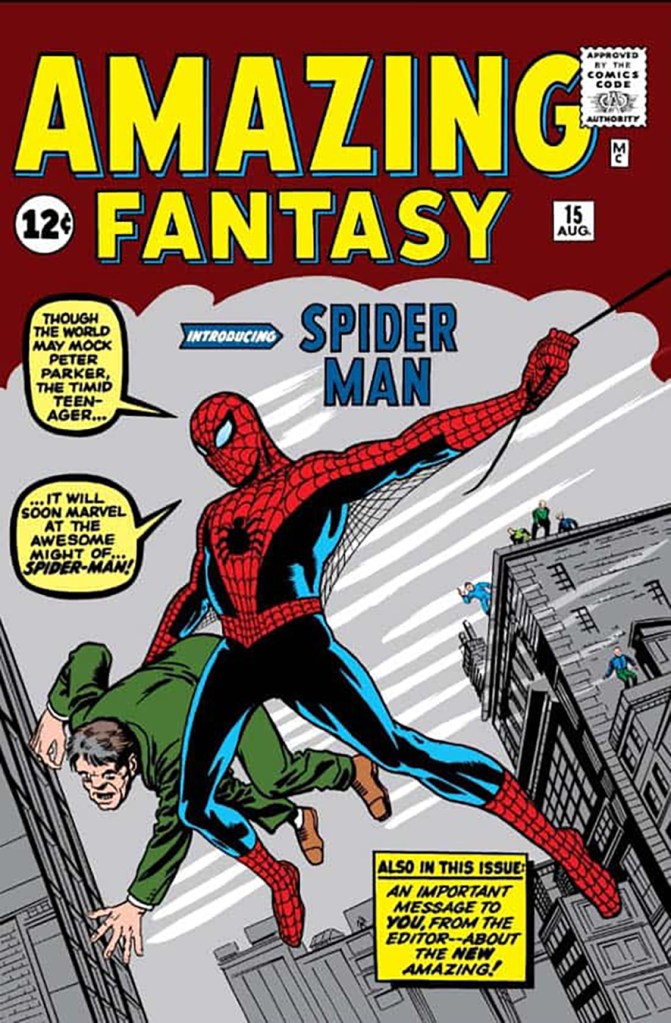
Amazing Fantasy itself has an interesting history, having started in 1961 as Amazing Adventures, but by issue #7 it had become Amazing Adult Fantasy and was an anthology book geared towards adults with short, science fiction stories and a tagline of “the magazine that respects your intelligence.” While the idea was interesting — a book tailored to the adult reader — it didn’t do well. Sales were poor and then-publisher Martin Goodman made the call to cancel the title with issue #15. Of course, Amazing Adult Fantasy coming to an end presented a different opportunity that would end up changing Marvel forever.
At the same time Amazing Adult Fantasy was faltering, as the story goes Lee was looking to introduce a completely different type of superhero, one that would appeal to a younger audience. At this point in comics, all of the heroes were adults and any teen characters were sidekicks. The character envisioned for this would be different, a regular teen with actual real-world issues and challenges: an everyday hero. It wasn’t an idea that got a lot of traction with the powers that be, but with Amazing Adult Fantasy dying, there was an opportunity. The final issue was rebranded as Amazing Fantasy, Spider-Man got the cover and became the central hero, Ditko worked his artistic magic, and that was that. If it failed, at least they tried.
Amazing Fantasy #15 Was a Huge Success and The Rest is History
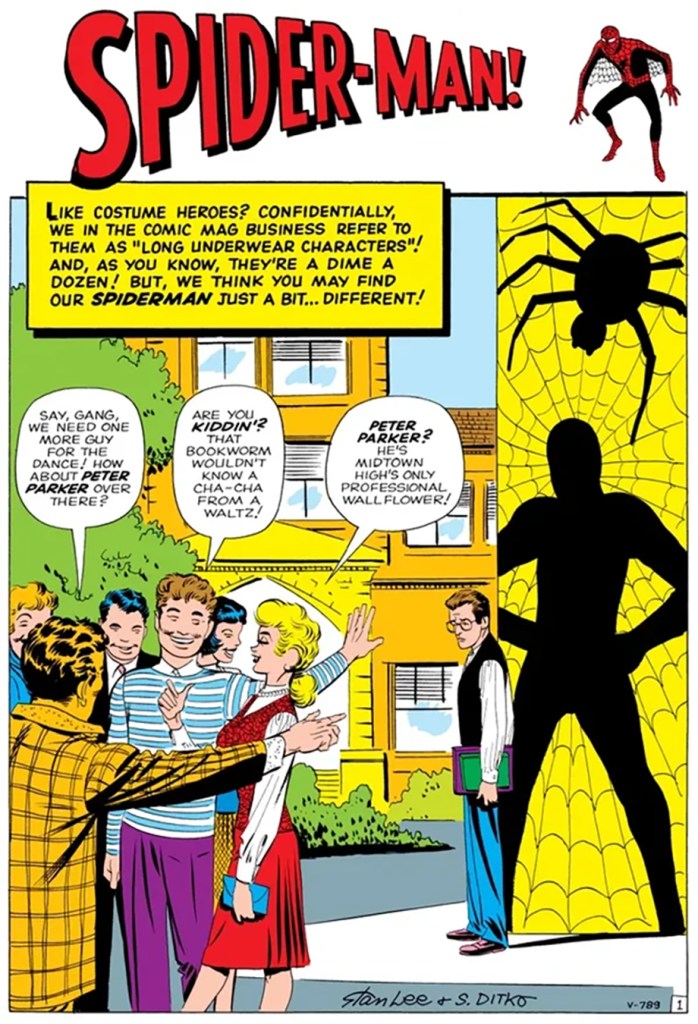
Amazing Fantasy was indeed properly cancelled, but when sales figures rolled in what had been a dying book turned out to be a huge hit. The book was one of the year’s best sellers and immediately, Spider-Man got his own book, The Amazing Spider-Man #1 and it’s a book that continues even today. Spider-Man himself has gone on to be one of the most famous and beloved characters in all of comics and is easily Marvel’s biggest and most popular. Granted, Peter Parker/Spider-Man has been through a number of shifts and changes over the years and he’s not exactly the teen hero anymore, but he is still very much the everyday hero. Spider-Man is the hero that anyone can see themself in. He has real world problems in addition to taking on wild villains and crazy threats. He is, in many ways, the most human of superheroes.
It’s also just fascinating that his origin comes from a combination of a failure and a “what’s the worst that could happen if we try” sort of situation. There’s something deeply relatable about that. How often do we as people find ourselves with our backs to the wall, in situations where all hope seems lost and we are down to trying just one more thing and if we fail, well, at least we tried? The fact that one of our greatest fictional characters has that as his publication origin story makes him even more endearing.
Wild how something that almost didn’t happen ended up changing everything, but boy are we glad it did.
What do you think about the wild story of how a cancelled comic led to Spider-Man? Let us know in the comments.
More Comics
-
Image Courtesy of Marvel Comics -
Image Courtesy of Marvel Comics -
Image Courtesy of Marvel Comics -
Image Courtesy of DC Comics -

Image Courtesy of Marvel Comics -
Image Courtesy of Marvel Comics