Batman has been around longer than almost any other superhero, debuting in 1939, around the same time as Superman, Namor the Sub-Mariner, and Jim Hammond, the original Human Torch. Batman started out fighting some villains who are still around today, although as time passed, these villains changed as well. Batman has also changed over the years, as has his sidekick Robin, but in reality, Batman has always been the same hero in comics, even when he became more comical and kitschy in the 1960s and early 1970s. However, when it comes to his villains, the ideas of bad guys in the 1940s are not the same as they were in the 1980s, when villains needed to be more than just generic thieves.
Videos by ComicBook.com
The villain in Batman #1 was none other than the Joker, making his main villain as old as Batman himself. This was a big deal because heroes like Superman faced hardly any of their best-known villains in their first few years. Bob Kane and Bill Finger had their finger on what made a villain great, and even though these bad guys have changed over the years, the genesis for their greatness was there from the start.
5) Clayface (1940)
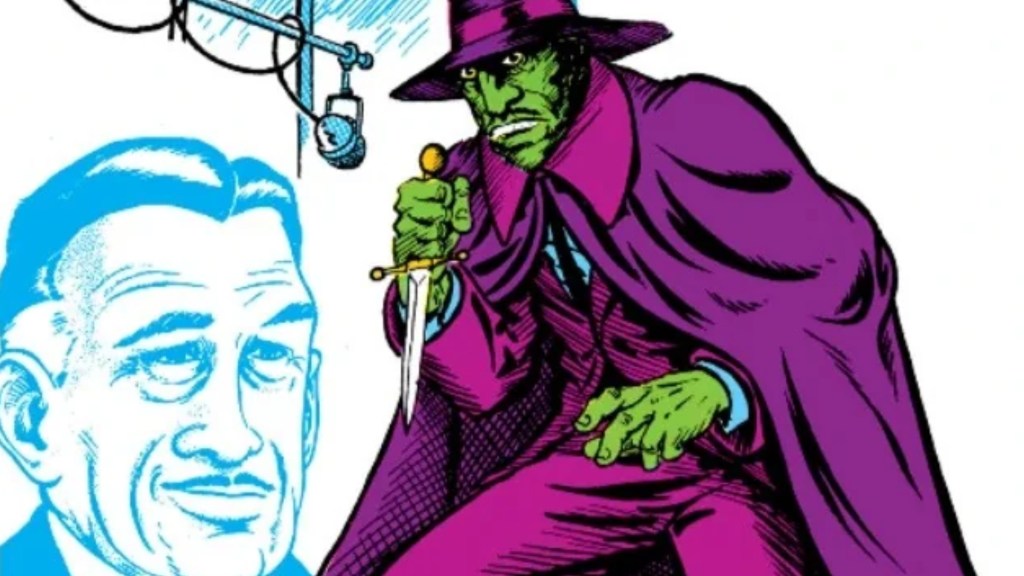
Clayface is more popular than ever thanks to the 2026 DCU horror movie, and the character in this movie is a mix of the original Golden Age Clayface, Basil Karlo, and the one better known today, Matt Hagen. However, Karlo was nothing like the Clayface fans know today because he wasn’t a shapeshifter, and he didn’t have any superpowers at all. Clayface debuted in Detective Comics #40 (1940) by Bill Finger and Bob Kane.
The first Clayface was Basil Karlo, a washed-up actor who murdered performers working on a remake of his greatest movie. He was just a killer who wore a mask, and it was up to Batman to figure out who he was and stop him. This all changed when Matt Hagen debuted in Detective Comics #298 (1961) by Bill Finger and Sheldon Moldoff. He ended up finding a pool of protoplasm that gave him his shape-shifting powers. That is the version of Clayface that still exists today, and he is nothing like the original Clayface.
4) Scarecrow (1941)
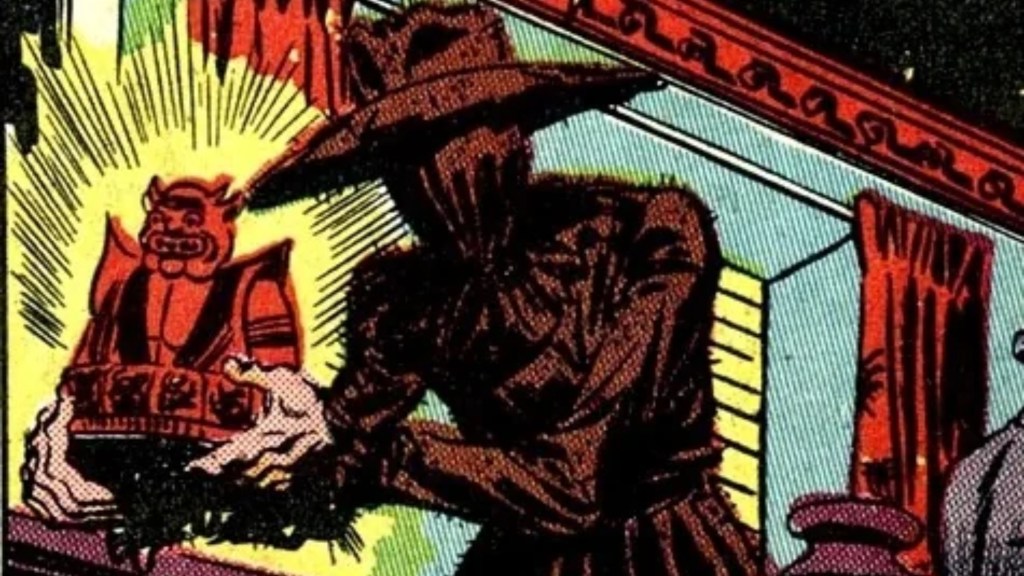
The Scarecrow debuted in World’s Finest Comics #3 (1941) by Bill Finger and Bob Kane. Jonathan Crane enjoyed frightening birds as a boy and grew up to teach the psychology of fear at Gotham University, where colleagues mocked his shabby clothes because he spent his money on rare old books. He decided money earned respect and ran fear like a protection racket, calling himself the Scarecrow, and wearing a costume that signified poverty and fear. He used a gun to create fear as he became a thief.
This all changed when Gardner Fox and Sheldon Moldoff brought him back in Batman #189 (1966), and this was where Scarecrow’s fear toxin was introduced for the first time. His actual origin wasn’t even told until Batman Annual #19 (1995), where he was shown to use fear gas to drive his mentor to suicide, and then he took his job. Today, Scarecrow is known for his fear toxin, which he uses to get what he wants, but this was not anything like his first appearances in the Golden Age, other than the costume.
3) Two-Face (1942)
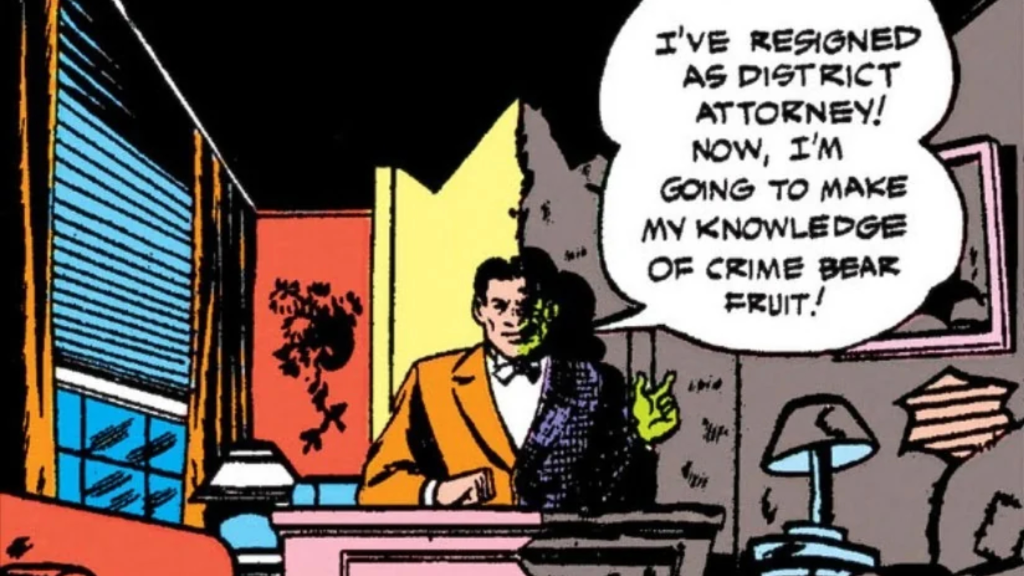
Two-Face debuted in Detective Comics #66 (1942) by Bill Finger and Bob Kane. In his first appearance, he was Harvey “Apollo” Kent, although his name was changed from Kent to Dent in 1948 because DC didn’t want him to share a surname with Clark Kent. The first appearance really played into the classic horror movies Dr. Jekyll and Mr. Hyde and The Phantom of the Opera. His origin hasn’t changed at all since his Golden Age introduction.
After mob boss Moroni threw acid at him, Harvey scratched one side of Moroni’s double-headed silver dollar, flipped it, and turned to crime when the scarred side came up. This just turned him into a straight-up villain. However, things changed drastically in later years when his fall from being a great district attorney was told in Batman: Year One, Batman: The Long Halloween, and Batman Annual #14 (1990), where his dissociative disorder made him much more sympathetic than his original depiction.
2) The Penguin (1941)
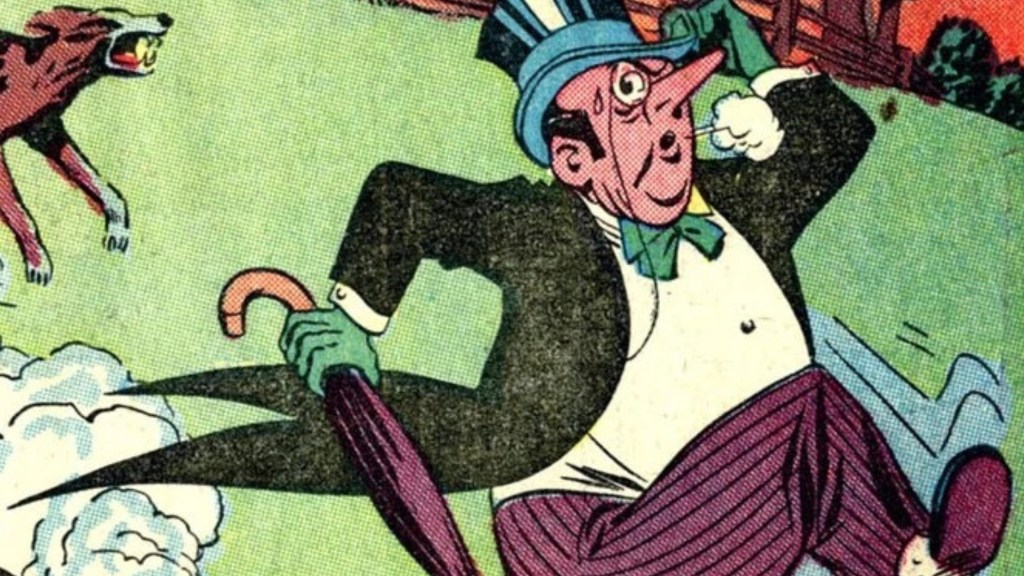
The Penguin debuted in Detective Comics #58 (1941) by Bill Finger and Bob Kane. In his debut, he posed as an art dealer named Mr. Boniface, smuggled stolen paintings out of a gallery inside an umbrella, and soon took over the rackets in Gotham City. He framed Batman by knocking him out at a robbery scene, and Batman called Robin with a radio hidden in his heel. The Penguin still escaped, and the story continued into the next issue. In these early appearances, he was an almost comical villain no one could take seriously.
The Cobblepot surname came later, from the Batman newspaper strip, which is where he became a little more serious of a villain. However, he remained comical in his 1960s Batman television series appearances, even more so than Batman’s other villains. In 1992, Tim Burton’s Batman Returns turned Penguin into a violent monster, and the more recent HBO series saw Colin Farrell turn Penguin into a much more dangerous, cunning villain. Penguin today is no longer a joke by any measure, much more respected than his Golden Age persona.
1) Joker (1940)
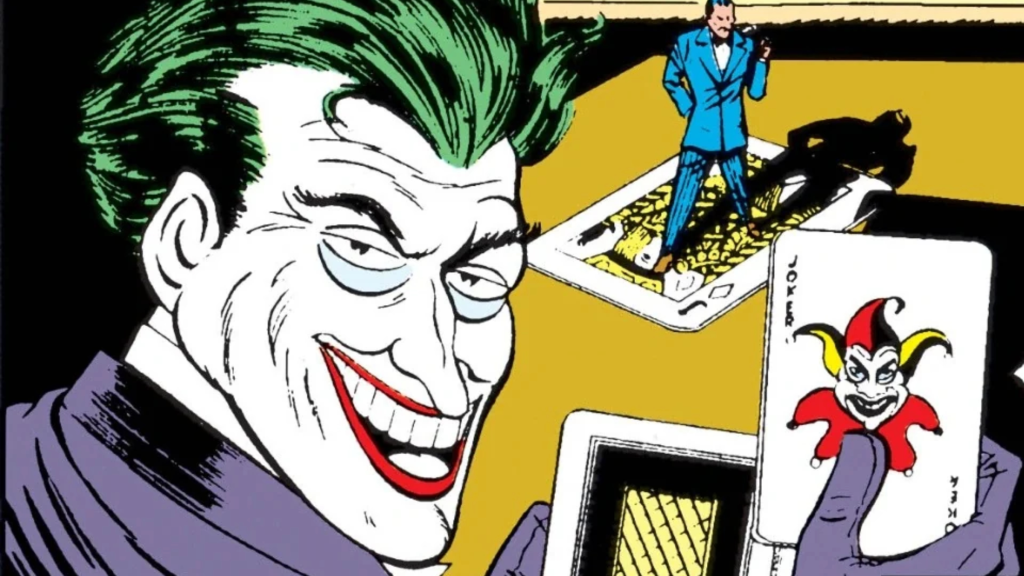
The Joker was Batman’s villain in Batman #1 (1940) by Bill Finger and Bob Kane. In this issue, the Joker was a ruthless thief and had no problem killing to complete his heists. He wasn’t the more manic version that would appear years later. The issue almost killed him off to make him a one-and-done, but it was left open-ended so he could return later. This version of the murderous thief was changed in the 1950s when he was given a new origin as the Red Hood, and this is where he received his acid-chemical vat origin.
In the 1970s, he was changed again to return to his more murderous traits, which was when Batman started getting darker as well, moving away from the more kitschy 1960s television show. By 1988’s The Killing Joke, the Joker was thrust into the role of one of the deadliest Batman villains of all time. An attempt to explain all of this came in Three Jokers, which claimed there were three different Jokers throughout history. However, going from a villain who was supposed to die in his first appearance to becoming Batman’s greatest villain is the biggest change of all.
Which Golden Age Batman villains do you think improved most from the changes to them over the years? Let us know your favorites in the comments below.
More Comics
-
Image Courtesy of DC Comics -
Image Courtesy of Marvel Comics -
Image Courtesy of Marvel Comics -
Image Courtesy of Image Comics -
Image Courtesy of DC Comics