Stealth action games have come a long way over the years, but the genre wouldn’t be as celebrated as it is without great games from the Metal Gear Solid and Splinter Cell franchises. This may be surprising, but these two iconic series have a completely unexpected crossover, with some of their most impactful titles releasing on the exact same day. While they came out two years apart, arguably the best games from both IPs share a release timing, further proving how influential each have been to the development of stealth action experiences as a whole.
Videos by ComicBook.com
Rumors about a Splinter Cell remake have been going around over the years, despite cancellations by Ubisoft not moving the series forward much. This makes looking back at the 2002 classic a nostalgic trip, while other great stealth actions titles get remade in high-quality fashion. Meanwhile, the Metal Gear Solid franchise hasn’t gotten a new title in quite some time either, instead focusing back on the past as well with homages to what helped the series go from good to great back during the era of the PlayStation 2.
Tom Clancy’s Splinter Cell & Metal Gear Solid 3: Snake Eater Came Out on the Same Date Two Years Apart
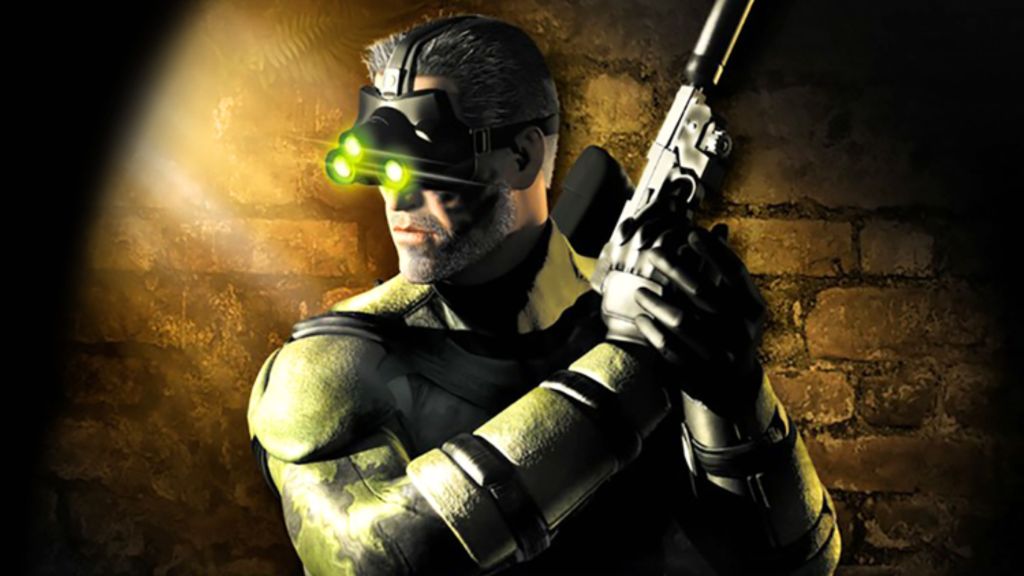
Both Metal Gear Solid 3: Snake Eater and Splinter Cell launched on different platforms on November 17, in 2004 and 2002 respectively. You might be shocked to learn that Splinter Cell was the first game of the two, coming out solely on Xbox consoles during a time where 3D stealth action experiences were less realistic or grounded. In fact, the original Metal Gear Solid or Thief titles were considered the pinnacle of the genre, with polygon 3D work mirroring arcade games on the first iterations of home consoles. However, Splinter Cell changed the genre drastically, establishing the Tom Clancy inspiration at the same time.
Tom Clancy games are known for being realistic, methodical, and strategic shooters rather than the fantastic FPS affairs of games like Halo or Call of Duty. Splinter Cell was one of the first games to create that identity, putting players in tense stealth missions where tactics were front and center. Real-time visibility depended entirely on actual light sources and shadows, with night-vision gear being integral to how players invade dark spaces. The series’ signature light meter was innovative at this time, but the tactics of Splinter Cell were also determined by smart infiltration mechanics and sound playing a part into how you were noticed by enemies.
For everything that made Splinter Cell special, Metal Gear Solid 3: Snake Eater was just as iconic, perhaps more so when it came out on the PS2 in 2004. The game is considered one of the best ever made, and a magnum opus of legendary creator Hideo Kojima. This is in part due to the incredible stealth action gameplay of the title, which features Naked Snake in 1964 during the Cold War, acting as a stand-alone experience compared to the first two games in the series. Much like Splinter Cell, visibility is at the heart of Metal Gear Solid 3‘s stealth, but instead of darkness, the game uses jungle camouflage and other outdoor environments for players to blend in with.
Realism is also a core angle of Metal Gear Solid 3‘s gameplay, with enemies not detecting you if you find creative ways to tactically disappear into the world. Boss battles like the one against The End are determined by how you’re able to interact with an incredibly detailed and nuanced world, where mud, urban environments, and plant life can also be used to your advantage to cover your approach. The story of Snake Eater is also incredibly intricate, featuring over-the-top moments of espionage and emotional highlights that make the game extraordinarily memorable.
Each Stealth Action Experience Was Innovative for the Genre in Incredibly Unique Ways

Where both Metal Gear Solid 3 and Splinter Cell intersect is how they introduced players to the idea of over-top camera angles and tighter, interactive gameplay to stealth action experiences. Instead of linear solutions to get through stealth segments, players were basically put into larger sandboxes, while given bigger restrictions that complicated how they could overcome enemy encounters. In Snake Eater‘s case, players had to contend with their own stamina, hunting animals and using other survival features to stay alive instead of the jungle world just being a cool aesthetic.
The aforementioned light mechanics of Splinter Cell also used gameplay limitations to enhance the atmosphere of the title. Splinter Cell‘s innovations also came down to how players could interact with everything, from using optic cables to look under doors to zip lining between buildings to get a better angle of infiltration. This was on a smaller scale than Metal Gear Solid 3, but both games use the same kind of techniques to make their experiences more engaging than any other stealth action title that came before them.
Combined with memorable voice performances for the main characters of Naked Snake and Sam Fisher, the spy or spec ops stories held weight that stood the test of time. If anything, the fact that both games have such shared releases shouldn’t be too surprising, as both franchises have likely been inspired by one another as their franchises continued. While Metal Gear Solid 3: Snake Eater‘s remake proves its an evergreen classic, Splinter Cell definitely deserves similar love as a game that helped build a foundation for a fan-favorite game genre.
Which game between Metal Gear Solid 3 and Splinter Cell do you prefer? Let us know in the comments below!
More Gaming
-

Courtesy of Rockstar Games -

Courtesy of Rockstar Games -

Courtesy of Rockstar Games