There have been countless reviews and thousands of hours poured into Baldur’s Gate 3, which has been considered one of the best RPGs of the decade, if not of all time. The way this game adapts a D&D framework and gives players the freedom to craft truly unique adventures is astounding, but it was not always the same game players talk about from 2023. The first iterations of BG3 looked quite different than its final, Game of the Year winning version, giving players only a small view of the title it would eventually become.
Videos by ComicBook.com
Developer Larian Studios took a lot of time to turn Baldur’s Gate 3 into the juggernaut of an RPG that it turned out being, and continued to do so for quite some time after it launched. New character subclasses coming out in future patches combined with additional story changes, extra cutscenes, and even new endings for players to explore post-release. Although Larian will not be a part of anything related to a potential Baldur’s Gate 4, the new features they added reflect a willingness to change their games drastically compared to other big development groups.
Baldur’s Gate 3 Launched Into Early Access Back In 2020 With Only Act 1 Playable For Testing

On October 6, 2020, Baldur’s Gate 3 became available for PC players through Early Access, making the game’s first story Act playable for everyone to try. After a few closed beta tests at large-scale events, this was the first time the game was put into players’ hands officially, opening up playtesting and feedback for Larian Studios to view. The game put out at this time was vastly different from the 2023 version of Baldur’s Gate 3, beyond just the existence of Acts 2 & 3 that came out with the later launch.
Early Access BG3 was full of different character options, story paths, and even specific mechanics that didn’t make it into the final cut of the game. For example, players could Long Rest indefinitely in the first edition of BG3 without any consequences, but patches in the Early Access introduced Camp Supply systems that required players to gather resources to fully restore their party’s health and spell slots. At the same time, Larian introduced Karmic Dice later in Early Access, giving players ways to earn more successful rolls without relying completely on random luck from their dice, making an optional feature based on feedback.
Some other changes were harder to notice, but the big Early Access refinements that took place over three years had a huge impact. By the time Act 1 was done, it released with 30% more content than when it started, adding new character dialogue, combat encounters, side quests, and other content. On top of UI/UX polish, here are some of the biggest features added to Baldur’s Gate 3 during Early Access:
- Level Cap raised from Level 4 to Level 5 to allow characters to access better features in Act 1.
- Alchemy Crafting systems were added to make collecting ingredients useful beyond just contributing to Camp Supplies.
- New Reaction pop-up system to work with certain spells and abilities.
- Far more cutscenes throughout different character interactions to make gameplay feel more cinematic.
- Extra character customization options for more personalized body types and visual details.
- Addition of Half-Orc and Dragonborn racial options with unique abilities.
- Addition of the Monk class with unique abilities, resources, and progression features.
- Ability to respec class and subclass whenever you like instead of being locked into one option from the start of the game.
Character Stories & Gameplay Segments Looked Far Different In Early Access Before Being Changed
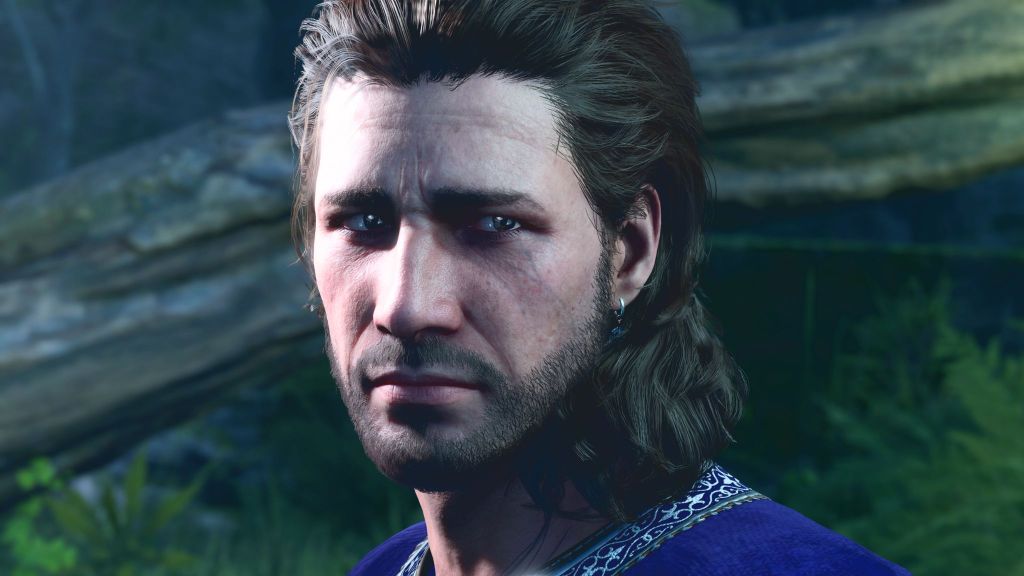
However, perhaps the biggest changes from Baldur’s Gate 3‘s Early Access to full release was how it changed the story surrounding origin characters. Important figures like Gale and Wyll were much different in Early Access, with Gale being a far less sympathetic figure and Wyll acting far more cocky and unlikable. The main game fleshes out these characters far more, giving them greater nuance and appealing qualities. Gale and Wyll from Early Access might as well be different characters altogether in some cases, with others like Karlach being non-existent for a time too.
Although the end of Early Access gave players the ability to play as origin characters too, it wasn’t until the full release that some characters’ stories were relevant at all. Karlach was almost a last-minute addition, a strange thing to consider now as she is likely one of the most popular companion characters in Baldur’s Gate 3 these days. The same can be said of the Dream Companion, a character you build alongside your own to appear in your head and offer advice throughout the game. The Early Access version of this figure was alternatively called “The Guardian,” and was a much more malicious character than their more mysterious version established on release.
Player Feedback Adjusted Many Elements Of Act 1 From Early Access To Make It Incredibly Refined

The Early Access story of BG3 had plenty of pitfalls that got corrected over time, such as a bloated tutorial section on the Nautiloid ship getting trimmed down significantly. Other parts of player feedback influenced what BG3 eventually became, such as having your racial option no longer impact your character’s Ability Score stats. The expansion of spells, items, character interactions, and story content were largely based on what fans of the Early Access wanted to see, in addition to general iterations the developers applied.
In an era now dominated by mods for this incredible RPG, it’s fascinating to remember how different it was when the Early Access first dropped. Although the foundation was there, half of the game’s most exciting parts wouldn’t have existed without the changes made during the Early Access period. For that alone, Baldur’s Gate 3 is a crowing achievement and a testament to how important Early Access can be to a game with as many moving parts as Larian’s award winner.
What was your favorite part about BG3‘s Early Access? Let us know in the comments below!
More Gaming
-

Image courtesy of Rocksteady Studios and WB Games