When most gamers think of Nintendo and racing, their minds are likely to move straight to Mario Kart. The long-running series has been a popular fixture of the publisher’s output for decades, with the latest entry in the series even serving as the killer app for the Switch 2. However, it’s far from the only notable racing series under the Nintendo umbrella — and the more experimental one might just be better.
Videos by ComicBook.com
Debuting in Japan in November 1990 before making the leap to North America on August 23, 1991, the F-Zero series functionally carries some distinct connections to the underlying racing game mechanic but features a lot of unique elements and aspects that make it feel different from any other entry in the series. Fast-paced, visually striking, and deceptively difficult, F-Zero is the kind of racing game that deserves more attention in the modern era and has been long overdue for a modern entry.
F-Zero Is One Of Nintendo’s Unsung Gems
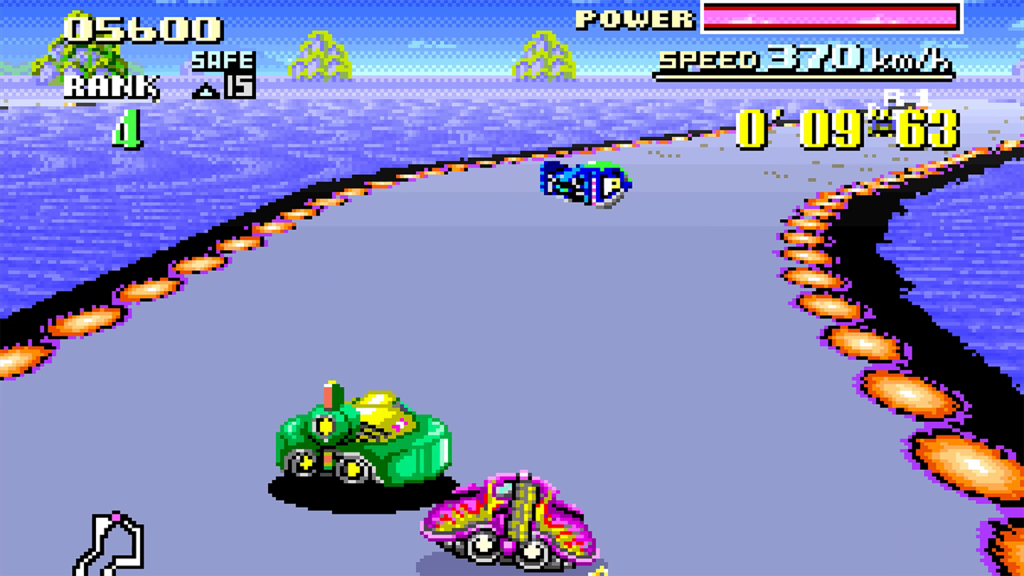
Set in the futuristic landscape of 2560, the original F-Zero sees players choose one of four racers as they embark on a series of races through futuristic cities and across sprawling landscapes. Developed with the Mode 7 graphics mode, the game featured more distinct graphics than other contemporary entries in the genre. Players moved across massive stages in five-lap races, giving players plenty of opportunities to grab (or lose) the lead against the other competitors. Produced by Nintendo legend Shigeru Miyamoto and directed by Kazunobu Shimizue, the team working on the game was given an unprecedented amount of freedom to design the characters and courses. Captain Falcon, Dr. Stewart, Pico, and Samurai Goroh became the primary pilots for the game, with their races and impressive quasi-3D graphics blowing away the competition.
Debuting on the SNES, F-Zero became one of the most critically acclaimed games for the console, earning several perfect scores from contemporary publications. F-Zero quickly altered the style of console racing games, making a good case for the genre’s effectiveness on the home market. This was followed by games like Daytona USA and Wipeout,c which further expanded on the genre. Even Super Mario Kart owes F-Zero a fundamental debt, as that lighter multiplayer racing game started as a prototype for a multiplayer F-Zero expansion. The game sold well, although never as well as the Mario Kart series. This is likely why Nintendo’s primary racing game became that mascot racer instead of the sci-fi game. While the series has gotten a handful of follow-ups, it’s never been at the same rate as Mario Kart. There was even a nearly twenty-year gap between F-Zero Climax for the GBA and the online F-Zero 99, leaving fans of the series with little original content for the majority of the 21st century despite the quiet importance the series has in the history of racing games.
A New F-Zero For The Switch 2 Could Be Amazing
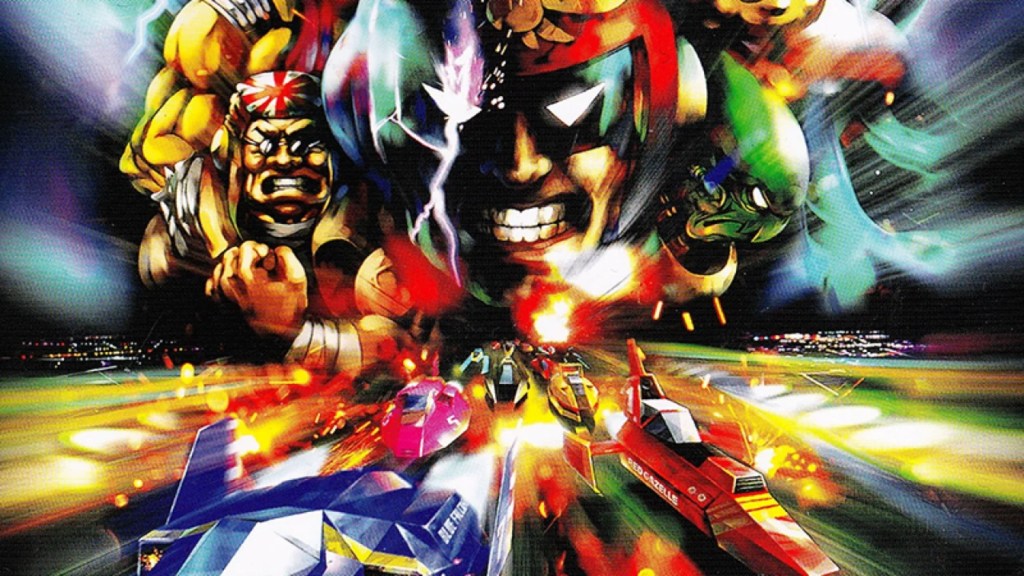
The time is perfect for a new F-Zero, a game fans have felt is long overdue. The franchise even has the ideal game to look towards for inspiration, with 2003’s F-Zero GX still standing out as one of the most entertaining and dynamic racing games Nintendo has ever published. The game has gotten renewed appreciation thanks to its appearance on the Nintendo Classics service for the Switch 2, with the ship customization, vast roster of distinct characters, and vivid tracks all making for a terrific experience. A new entry in the series could build off those mechanics in exciting new ways, further drawing the player into the universe by inviting them to create their own ideal pilot and ship for the competition.
Captain Falcon’s continued presence in the Super Smash Bros. series has made him an icon to Nintendo fans for years, even if his base games haven’t been released. Given the enduring popularity that the character has gained after delivering countless “Falcon Punches” over the years, his proper return to a starring role could turn some of that fandom into commercial success. The game could even take inspiration from Mario Kart World, expanding the scope of the game to be an open-world experience and allowing players a mix of natural exploration and tense races across massive sci-fi landscapes.
Considering that the series was always commended for pushing the graphical potential of its properties to the extreme, a new entry in the series could be an ideal way to put the Switch 2 through its paces and really show off what the console can do. F-Zero remains a fan favorite for a reason, a challenging title that makes every victory feel genuinely earned. Its futuristic aesthetic and quietly subversive exploration of racing culture and broader society could be built upon to tell a genuinely compelling story in the vein of Screamer. F-Zero was a game-changer for the SNES that has never been given the full opportunity to live up to its full potential. Given the power and the potential of the Switch 2, the time might finally be ripe to reverse the franchise’s fortunes and give it a real chance to shine.
More Gaming
-

Image Courtesy of Ubisoft -

Image Courtesy of Dotemu -
Courtesy of Electronic Arts -

Image Courtesy of Electronic Arts -
Courtesy of Arkane, Bethesda Studios, and Marvel Games