It is a little hard to believe that Pokémon is turning 30 this year. It is easily the series I have played the most throughout my life, a cozy constant that, until recently, never ceased to amaze me. I have so many fond memories of spending hours hiding beneath my duvet playing Pokémon, the DS screen illuminating my excited face as I finally caught a Croagunk in Pokémon Pearl. I will always have a Hitmonlee-sized space in my heart for Pokémon, its nostalgic soundtracks one of the few things capable of lifting me out of a depressed state, its familiar and dependable gameplay serving as a warm blanket on a cold winter’s eve.
Videos by ComicBook.com
It is for that reason that I find reflecting on Pokémon’s 30 years a little difficult. Because, for all its strengths, and there are many, there is so much wrong with modern Pokémon that I feel as if the memories I hold so dearly must be obfuscated by rose-tinted glasses somehow. Did Pokémon merely appeal to me because I was a child? Was it always as bad as it is today? Is there any way of saving Pokémon after so many failed attempts? These are the questions that plague me as I attempt to calm my mind with the upbeat tracks of Pokémon Diamond and Pearl. Fortunately, I think, after much reflection, I can finally offer answers to them all.
Modern Pokémon Games Are Getting Worse
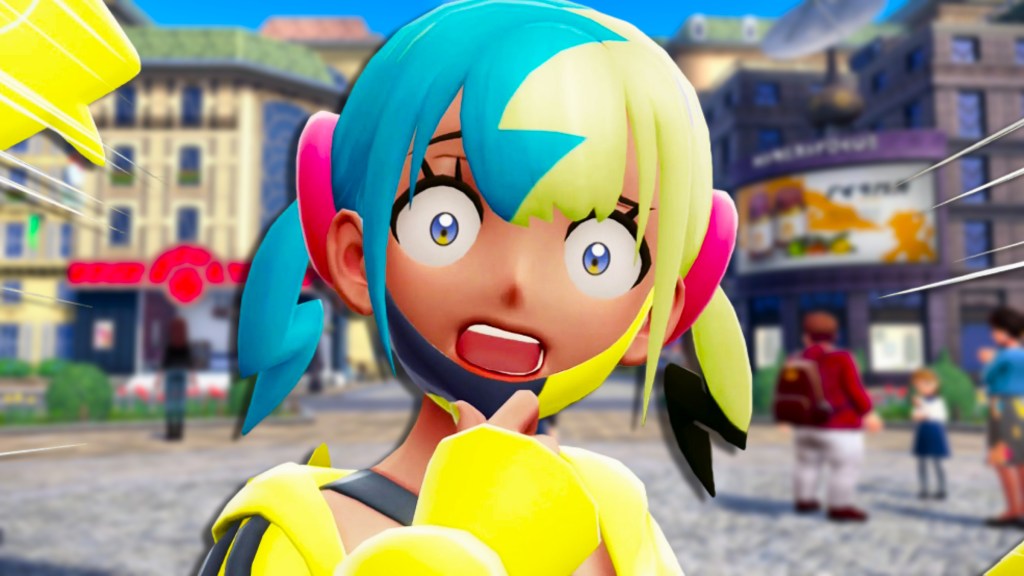
I’ve begun to fear that my memories of Pokémon are somewhat false, tainted by nostalgia and the excitement the series gave my once joy-filled heart. However, after having recently played through some of the earlier titles, namely Ruby on the Game Boy Advance and Pokémon Black on the Nintendo DS, I’ve come to terms with the fact that the problem doesn’t lie with my poor recollection of past entries, but rather with the state of modern Pokémon as a whole. There’s a reason that Pokémon remains one of the best-selling video game franchises of all time: those earlier games were phenomenal.
Game Freak understood not just how to encapsulate the joy of bug collecting, but how to attribute a sense of attachment to both the act of collecting itself and the bugs caught. It also seemed impressively aware of how to cater to both adult and younger audiences, its implementation of turn-based combat serving as a prime example of Pokémon’s approachability and layers of hidden depth. There was genuine consideration given to region design, both aesthetically and mechanically, as well as the variation of content within it, whether it was boarding a ship and battling its crew, taking part in a Pokémon beauty contest, or exploring a safari and learning how to catch Pokémon peacefully.

The games pre-Nintendo 3DS grew more ambitious with each entry while still retaining the simplicity of the magic of Pokémon, chiefly its ability to instill a sense of wonder in the player, thanks to its brand-new roster of the titular ‘mons to catch. However, it felt like with the introduction of Pokémon X & Y, and undeniably Sword and Shield, everything began to go downhill. The over-simplification of the series already fairly traditional turn-based combat and introduction of over-powered abilities that constantly gave the player the upper hand reduced the series’ narrative to a sequence of pitifully easy battles squarely aimed at children and no one else. One cannot call modern Pokémon one of the best turn-based RPGs when the series is now practically telling you which moves to use and when.
Worse still, a lot of what made the older titles so special, namely their variation, expert region design, and plethora of new Pokémon, has been lost in pursuit of mechanics and ideas the series simply doesn’t need. The move to more open, yet barren, expanses robbed the series of its once iconic and tightly designed regions; the over-reliance on including every Pokémon meant there was little new to discover; the distinct lack of additional activities ensured that the entire experience relied solely on the mundane and pared-back combat. The list, frankly, goes on, and doesn’t mention either the death of Pokémon’s unique art style or even its competent technical state. Pokémon itself, its core principles and design, isn’t the problem; it is whatever abomination it has morphed into.
Pokémon Is In Desperate Need Of Reinvention
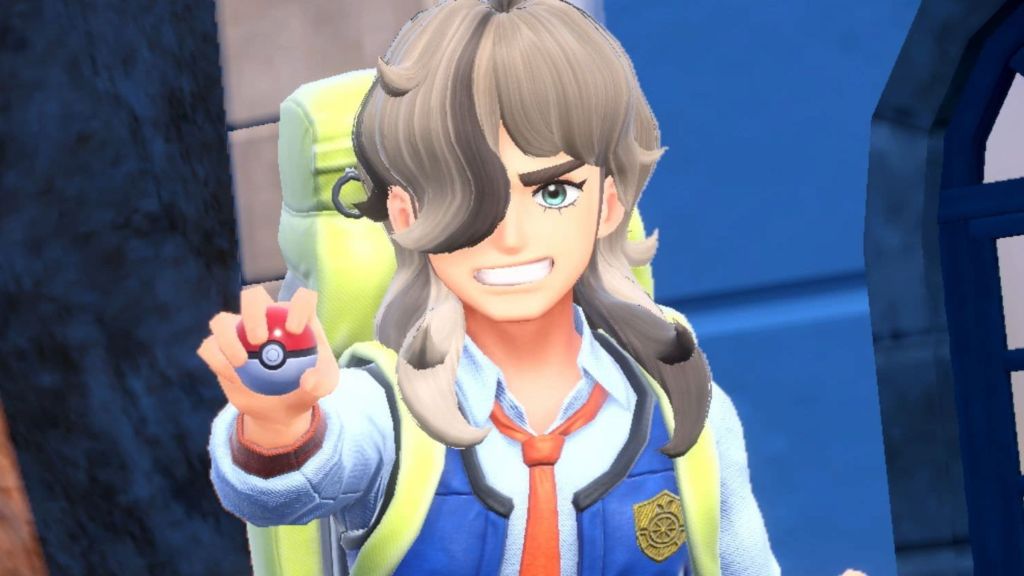
I think the core issue with Pokémon is that it has retained the budget, development time, and basic design philosophies of the Game Boy Advance era while simultaneously attempting to offer more ambitious and daring experiences on increasingly technically advanced hardware. The reportedly low budgets for games like Legends: Z-A and even mainline entries, coupled with the ridiculously short turnaround, are naturally going to result in the awful visuals and performance plaguing Pokémon, but will further ensure that there’s little room for innovation or reinvention.
That inability to evolve, ironically, is what is causing Pokémon to stagnate and devolve into a shambling mess of its former self. It is a shame, too, as the character designs and occasionally interesting new Pokémon offer glimpses into what this franchise could be. However, the distinct lack of creativity, new ideas, or meaningful utilization of the unique features Pokémon alone has to offer reveals these games to be the hollow husks they truly are. If there is any game in desperate need of reinvention, it is absolutely Pokémon, a series so rooted in the past that it seems incapable of moving onto bigger and better things.
The recent Pokémon Legends: Z-A is a perfect example of this. Its setting offers the ideal opportunity to explore the unique and interesting ways Pokémon interact in an urban setting and how, in the midst of redevelopment, they can adapt it to become more akin to their natural habitat. A singular urban environment as a Pokémon game’s region is a bold and frankly fascinating idea, especially if the creativity expressed in the earlier Pokémon games had been applied to it. However, what we ended up getting was a generically bland city with little to do inside it and few meaningful showcases of the influence Pokémon could and should have.
Pokémon May Never Change For The Better
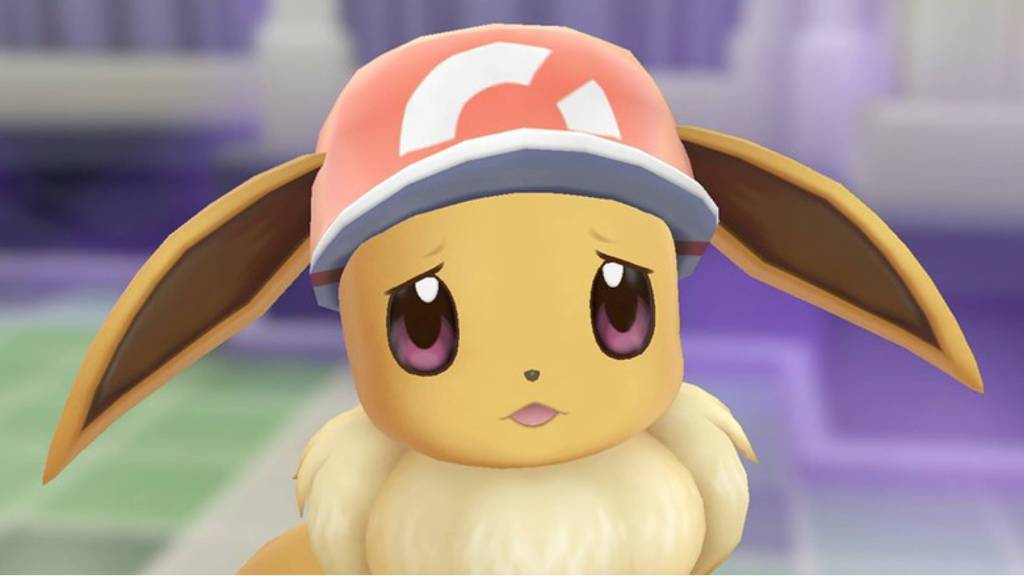
The sad part of all of this is that I’m not all that convinced things will change. It isn’t as if Pokémon is a franchise at the end of its tether, money desperately running out, sales dropping exponentially with each new release. It continues to sell millions of copies with every entry, Scarlet and Violet somehow becoming one of the best-selling worst games ever made after managing to move 10 million copies within just three days, despite poor reviews and the abysmal technical performance that continues to affect it to this very day. This is all without mentioning the expanded media, which generates so much money that it alone more than supplements the allegedly tiny budgets allocated to the games.
To put it all in context, according to The Pokémon Company’s own website, the Pokémon video game series has sold a whopping 489 million copies, making it the fourth best-selling video game franchise in the world. This doesn’t just mean that there is no excuse for it being as bad as it is in 2026, as clearly there is enough money to invest in making it better, but that there’s no real reason for The Pokémon Company to make changes. Why increase the budget when you’re guaranteed millions of sales regardless? The return on investment will go up the cheaper you make the product, so it makes sense to make it as cheaply as possible if people will buy it anyway. It’s basic business.

Of course, you could argue that this could hurt Pokémon as a brand, and fans could revolt and simply stop buying it. That would be true if this decline in quality hadn’t been occurring for the past 13 years. This isn’t something new; it isn’t something unexpected. Pokémon has been on a downward trajectory for quite some time, and we’ve all sat back and accepted it. That’s partially because there’s little competition, at least within the AAA space that appeals to the mainstream audience, so we’re stuck with whatever The Pokémon Company gives us. It’s a sad state of affairs, but one that, after a long, storied, and, at one point, beautiful legacy, Pokémon is stuck with.
I don’t want to be too dour; this is Pokémon after all, a franchise I love dearly, warts and all. I want Pokémon to be great. I want it to offer the next generation of children and adults discovering it for the first time the joy I felt playing it in the dead of night, cozy beneath my duvet, all those years ago. There are, of course, plenty of ways to improve, and Game Freak’s upcoming game, Beast of Reincarnation, seems like proof that it is still up to the task of making something unique and brilliant. It remains to be seen what the next generation of Pokémon on the Nintendo Switch 2 will look like, but I sincerely hope that it not only brings back the wonder the series was known for but ditches the taint of corporate greed that has clung onto it for the past few years like a Slakoth to a tree.
Do you think Pokémon can be saved? Leave a comment below and join the conversation now in the ComicBook Forum!
More Gaming
-
Courtesy of Monolith Productions -

Courtesy of Black Matter -

Courtesy of Rebel Wolves