Two decades can feel like a lifetime in the world of video games. Technology evolves, genres rise and fall, and entire generations of players grow up with new icons defining their sense of adventure, competition, and creativity. Yet every so often, a handful of releases emerge that start something incredible. Twenty years ago, in 2005, the industry witnessed the birth of three such series that would come to influence everything from music rhythm gaming to cinematic storytelling and motorsport simulation. These franchises didn’t just make waves; they permanently changed how we experience interactive entertainment.
Videos by ComicBook.com
The early 2000s were a golden era of experimentation, a time when developers took bold, creative risks that laid the foundation for the next generation of gaming. Out of that creative surge came three franchises that continue to dominate cultural conversations today. Each transformed its respective genre, inspired countless imitators, and left behind legacies that remain as powerful in 2025 as they were two decades ago.
3) Guitar Hero
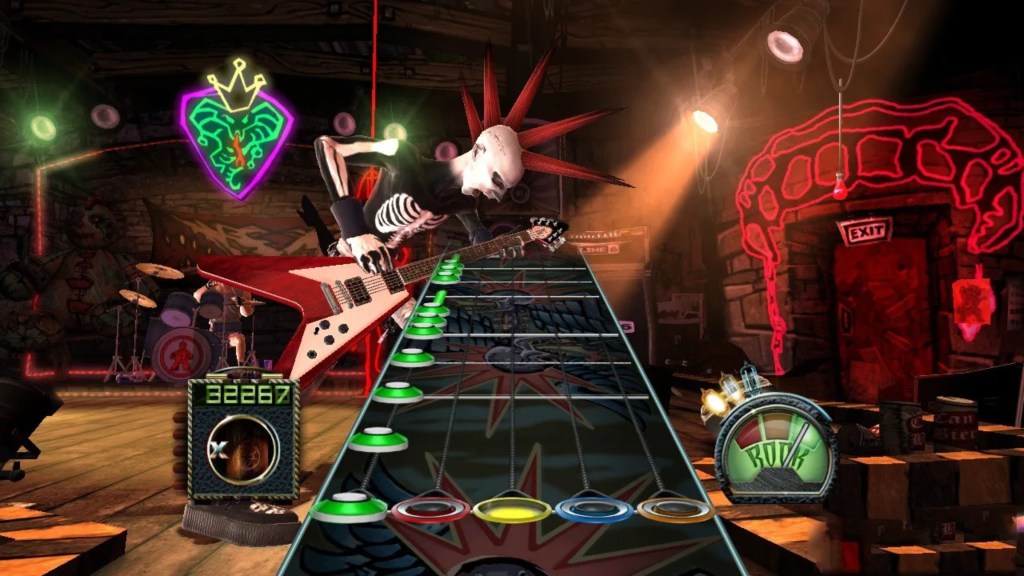
Guitar Hero exploded onto the scene in 2005 and changed rhythm games forever. Developed by Harmonix and published by RedOctane, Guitar Hero became a social phenomenon almost overnight. The formula was deceptively simple: hit notes in rhythm to rock classics, earn scores, and feel like a star. But the impact was seismic. It redefined what a “party game” could be, a shared experience that crossed age groups, music tastes, and gaming skill levels.
With its iconic plastic guitar controller and instantly recognizable note highway, it revolutionized how people engaged with music. It made playing a game a performance and brought even non-gamers into the hobby. By transforming living rooms into virtual stages, Guitar Hero bridged the gap between gaming and pop culture like few titles before or since. It saw other developers, like Rockband, try to capture the same craze.
From Guitar Hero II to World Tour and beyond, the franchise’s influence spread rapidly. It inspired competitors like Rock Band and DJ Hero, turned virtual musicians into local celebrities, and even boosted real-world instrument sales. At its peak, Guitar Hero was more than a video game; it was a cultural movement. Even after its decline in the 2010s, its legacy endures. The rhythm genre owes its mainstream success to Guitar Hero’s innovation.
2) Forza Motorsport
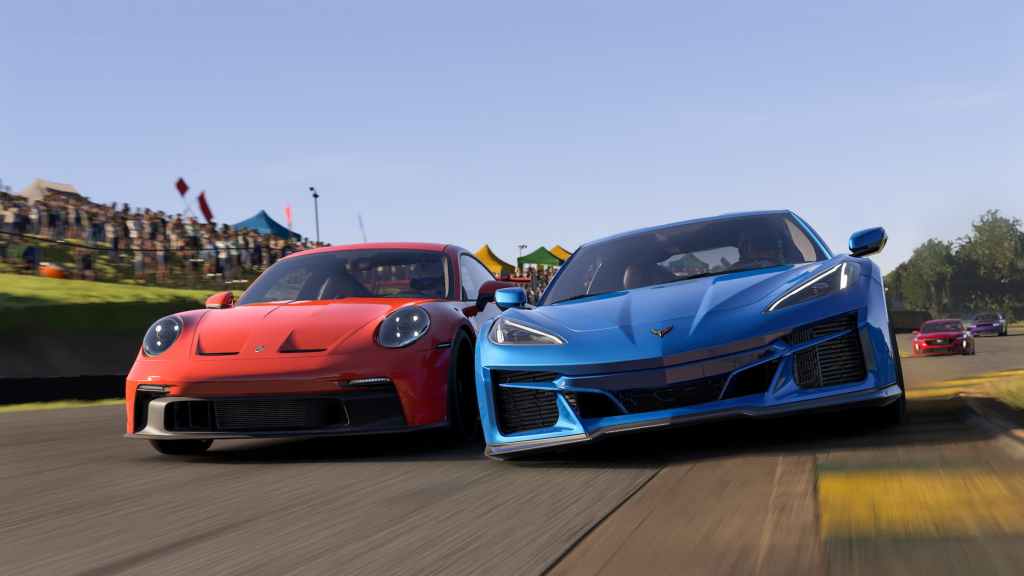
When Forza Motorsport debuted in 2005, the racing genre already had its champions, from Gran Turismo to Need for Speed. But what Forza brought to the table was something new: a perfect blend of realism, accessibility, and innovation. Developed by Turn 10 Studios under Microsoft’s banner, Forza Motorsport was built to be the definitive driving simulator for the Xbox ecosystem. It didn’t just compete with Gran Turismo; it redefined what a console racer could be and led to the spin-off series, Forza Horizon.
At its core, Forza Motorsport was a celebration of automotive passion. Every detail, from the engine roar to the tire physics, was meticulously crafted to mirror real-world performance. Players could tune, modify, and personalize their dream cars with an unprecedented level of depth. Yet despite its authenticity, Forza remained inviting to newcomers, unlike Gran Turismo. Its driving assists and scalable difficulty made the simulation accessible to everyone. That balance became its secret weapon.
Over the years, the franchise evolved into a two-pronged powerhouse: Forza Motorsport for purists seeking realism and Forza Horizon for those craving open-world freedom. Together, they built one of gaming’s most respected ecosystems and became staples of Xbox. The series championed advanced physics engines, photorealistic visuals, and community-driven design. Two decades later, Forza Motorsport remains one of the most defining moments for Microsoft and continues to be strong.
1) God of War
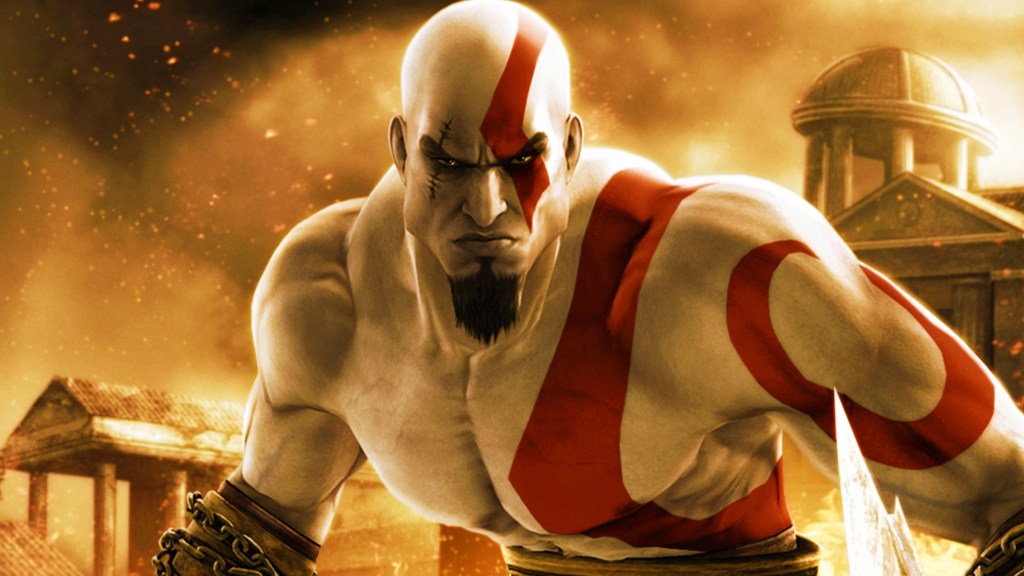
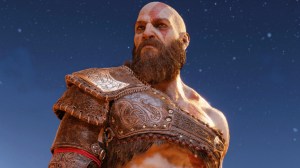
In 2005, few could have predicted that God of War would go on to become one of the most celebrated franchises in gaming history. Blending mythological storytelling with brutal, cinematic combat, God of War arrived as a bold statement, proof that games could be both visceral and artful, blending blockbuster action with emotional depth. The original game, developed by Santa Monica Studio, introduced players to Kratos, a Spartan warrior driven by rage and tragedy. Today, that warrior is now a wise father.
His quest through Greek mythology was a symphony of chaos, marked by unforgettable boss battles, fluid combat, and a haunting orchestral score. What set God of War apart wasn’t just its gameplay; it was its narrative ambition. It pushed boundaries in storytelling, weaving classical myth with modern tragedy to deliver something cinematic. Each subsequent entry elevated the formula.
Then Santa Monica Studio rebooted the series, turning the action-packed game into one of the most powerful character-driven narratives in the industry. God of War: Ragnarok continued this, elevating the series even higher. God of War is now set for a television adaptation by Amazon, and everyone is looking forward to where Santa Monica Studio takes the series next.
What do you think? Leave a comment below and join the conversation now in the ComicBook Forum!
Most Viewed
-

Images courtesy of TriStar Pictures and Warner Bros. Pictures