The RPG genre has become so crowded that genuinely great games can disappear beneath bigger releases almost immediately. Every year brings massive open-world RPGs, remakes of beloved classics, live service experiments, and highly marketed AAA launches competing for players’ attention. Smaller RPGs often struggle to break through unless they become surprise viral hits or earn major award nominations, and that makes me sad. As an avid RPG and indie game fan, I always try to find games that slip through the cracks, and there have been some real hidden gems these past two years.
Videos by ComicBook.com
The three quietly earned strong reviews and passionate fanbases without reaching mainstream popularity. These are games that deserve far more discussion because they offer unique mechanics, compelling worlds, and memorable stories that stand out from many bigger-budget releases. Some lean heavily into tactical combat, while others embrace retro aesthetics or emotionally driven narratives. And each feels confident in their identity, making them some of the most underrated recent RPGs. In an era where many RPGs try to appeal to everyone at once, these three games know exactly what kind of experience they want to deliver.
3) Fuga: Melodies of Steel 3

CyberConnect2’s Fuga: Melodies of Steel series is one of the most emotionally intense strategy RPG franchises in recent memory, and Fuga: Melodies of Steel 3 continues that trend. It concludes the trilogy’s story while once again placing players in control of children piloting the giant tank Taranis during wartime. Admittedly, it is a very story-heavy game, so you’ll want to play the first two games. Fortunately, both are fairly short and well worth your time.
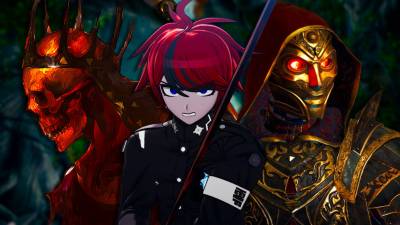
What makes the series stand out immediately is its tone. Despite its colorful art style and anthropomorphic cast, Fuga deals heavily with themes of war, sacrifice, trauma, and survival. The emotional stakes feel incredibly high because the story constantly reminds players that these are children forced into horrifying situations. Few strategy RPGs create tension as effectively as this series does, and it doesn’t go overboard with these tones either.
Combat remains one of the franchise’s strongest features. Battles revolve around turn-based tactical systems involving weapon positioning, weaknesses, support skills, and resource management. I have to highlight its strategic decision-making and route progression, which play a major role throughout Fuga: Melodies of Steel 3. Every encounter feels important because mistakes can carry significant consequences.
Personally, what impressed me most about the series is how attached I became to the cast over time. The relationship-building systems aboard the Taranis make downtime feel just as important as combat. Conversations between characters add emotional weight to every decision and help the game stand out from more traditional tactical RPGs.
2) Dark Deity 2
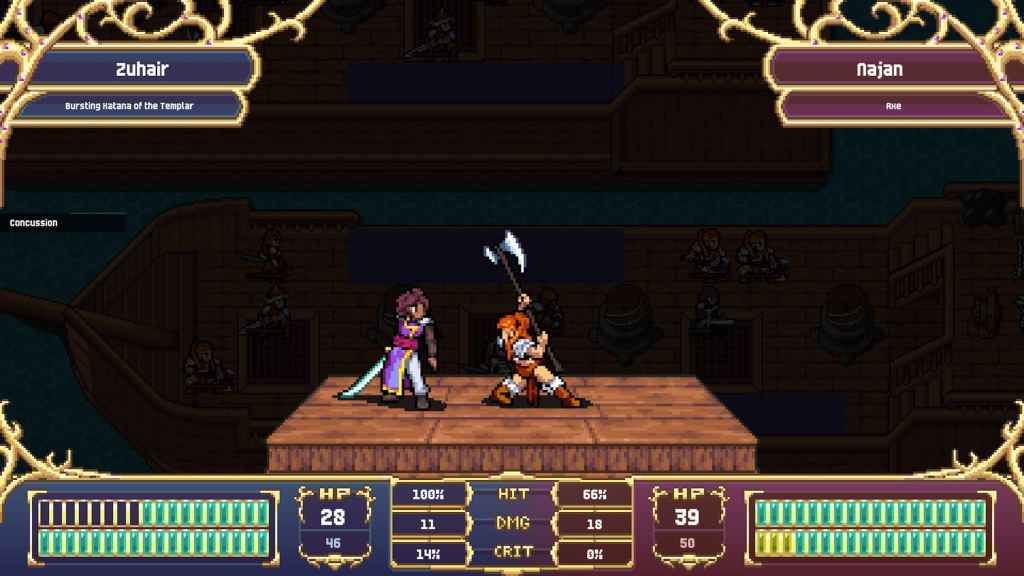
Dark Deity 2 feels like a love letter to classic tactical RPGs while still modernizing enough systems to avoid feeling trapped in nostalgia. Developed by Sword & Axe LLC, the game builds on the original while expanding its strategic depth and worldbuilding considerably. The improvements are so vast that it feels like a completely different game than the first, and players do not need to play the first game to understand Dark Deity 2.
In Dark Deity 2, players guide the Eternal Delegation against a looming threat across a war-torn continent. Like many classic strategy RPGs, relationships, battlefield positioning, and character builds play huge roles throughout the campaign. Fans of older Fire Emblem games will immediately recognize some of the inspirations, but Dark Deity 2 adds enough of its own identity to stand apart.
One of the game’s biggest strengths is its class and customization system. Character progression offers a huge number of build possibilities, allowing players to experiment with party compositions and combat strategies constantly. The combat itself feels fast and rewarding. Terrain positioning, turn order, abilities, and synergy between units all matter heavily during encounters. Battles encourage experimentation instead of simply relying on brute force or overleveled characters.
The pixel art presentation also deserves praise. Dark Deity 2 uses expressive animations and detailed environments to create strong visual clarity during battles. This further highlights how committed the game is to its tactical gameplay. The cherry on top is the voice acting, something that isn’t used enough in indie games, and I loved it here in Dark Deity 2.
1) Skald: Against the Black Priory
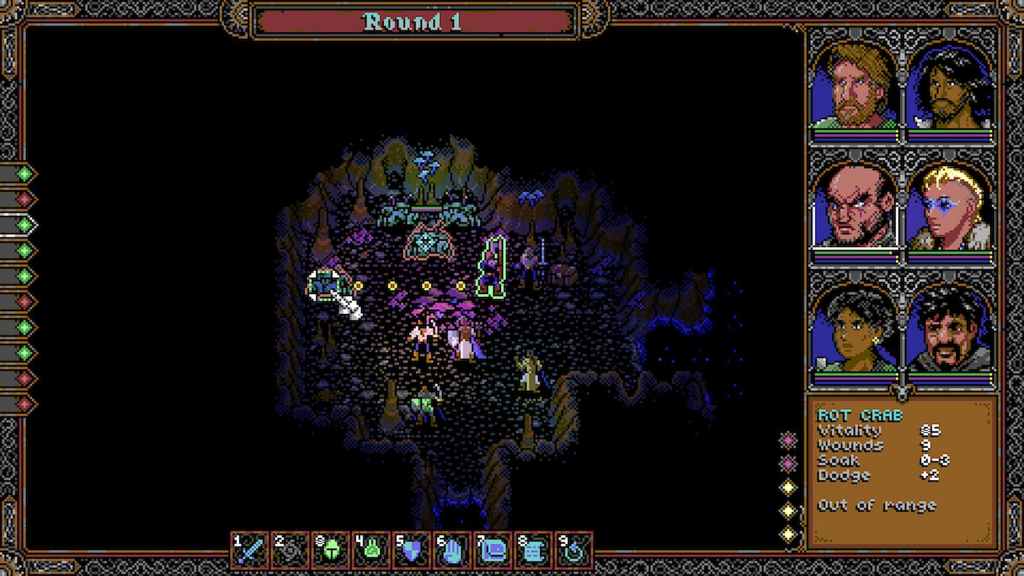
As someone who grew up on old-school computer and retro RPGs, Skald: Against the Black Priory was a huge surprise and treat. Developed by High North Studios, the game channels classic tabletop-inspired RPGs and 8-bit era aesthetics while still feeling modern in execution. What also stands out is its dark fantasy world shaped by cosmic horror, political collapse, and dangerous exploration. The game draws heavily from classic CRPGs while combining turn-based combat, party management, dialogue choices, and open-ended progression systems.
The atmosphere immediately stands out. Skald captures the oppressive tension of older fantasy RPGs exceptionally well through its writing, visuals, and soundtrack. The pixel art style may appear simple initially, but the game uses color, lighting, and environmental detail to create genuinely unsettling locations and memorable encounters. The retro soundtrack further reinforces the game’s inspiration and helps bring each encounter to life.
Combat is methodical and dangerous. Unlike many modern RPGs, where players quickly become overpowered, Skald constantly reinforces vulnerability. Resource management, positioning, and preparation matter heavily during battles. Skald: Against the Black Priory rewards patience and planning rather than reckless aggression. Building your character and watching them succeed in this dark world is one of the most satisfying feelings, but it can all be snatched away in an instant.
The writing also deserves enormous credit. Dialogue and worldbuilding feel dense without becoming inaccessible, and the game’s darker fantasy tone gives every decision extra weight. The world feels ancient, hostile, and morally complicated. This permeates throughout every action and decision you make, constantly reminding you that you are not the hero of the story, but someone trying to survive in an environment where you do not truly belong.
What do you think? Leave a comment below and join the conversation now in the ComicBook Forum!
More Gaming
-
Image Courtesy of Electronic Arts -
Courtesy of Homo Ludens and Dotemu -
Courtesy of Cold Symmetry