It used to be that you fed a quarter into a machine, played a game, and that was it. These days, video games are different in that you can spend $60-$80 on a hot new AAA title only to be met with a plethora of options regarding cosmetics or in-game purchases that net the publisher millions of dollars while making your already pricey game cost you significantly more. Yes, I’m talking about microtransactions, and while some games are fairly simple with them, others are incredibly greedy. We’ve looked through a bunch of games and found five of the absolute greediest moves in gaming history, where publishers targeted players’ wallets.
Videos by ComicBook.com
1) Gran Turismo 7

Gran Turismo 7 is an amazing game that improves upon the franchise’s formula with excellent renditions of cars, tracks, and more. While the initial criticism was positive, it quickly became apparent that grinding was a major aspect of gameplay. Still, anyone with the cash could focus on the game’s many microtransactions, many of which were ridiculously high-value items. This led to a review-bombing campaign that utterly destroyed Gran Turismo 7’s reputation. The cash-for-credit system charged far more than anyone thought reasonable, and to reach the 20 million limit, it cost $214. If you want to get a really cool car like the pictured Mercedes-Benz W 196 R ’55, that’s what it costs players.
2) Diablo Immortal
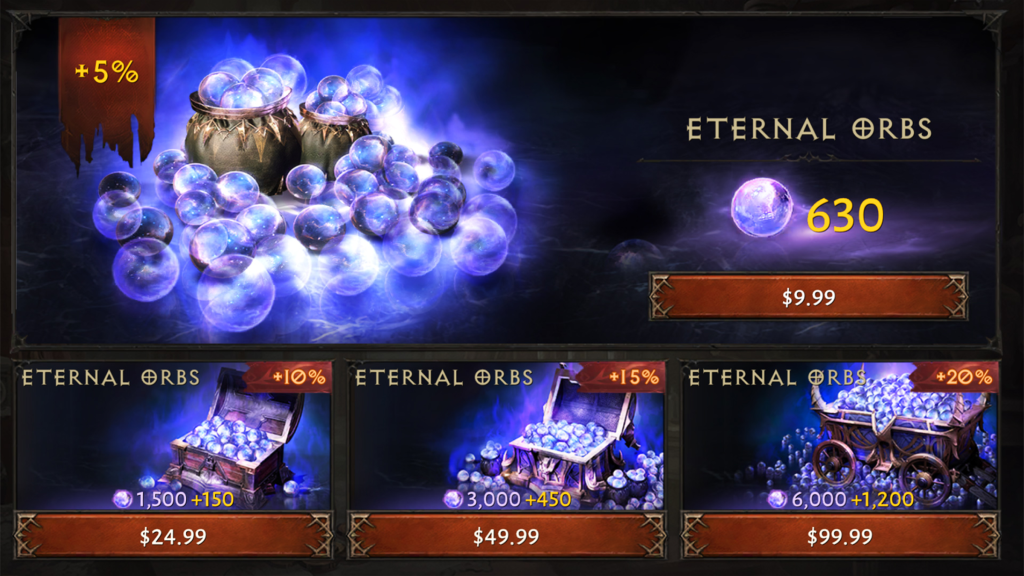
Diablo Immortal had a hard start, thanks to a terrible reveal at BlizzCon. Regardless, Blizzard went forward with its plan and released the free-to-play game, but it wasn’t anything like previous entries, thanks to its in-game microtransaction economy. You could play for free, grinding like mad for years to max out your character and gems, but it’s much faster to pay. The cost of improving your stats at higher levels was so astronomical that some online estimates have put the cost to fully 5-star rank 20 legendary gems at $100,000, though this was only one estimate. Still, that’s so greedy, it’s idiotic, and fans weren’t happy despite Diablo Immortal being an otherwise decent mobile game.

3) Plants vs. Zombies 2
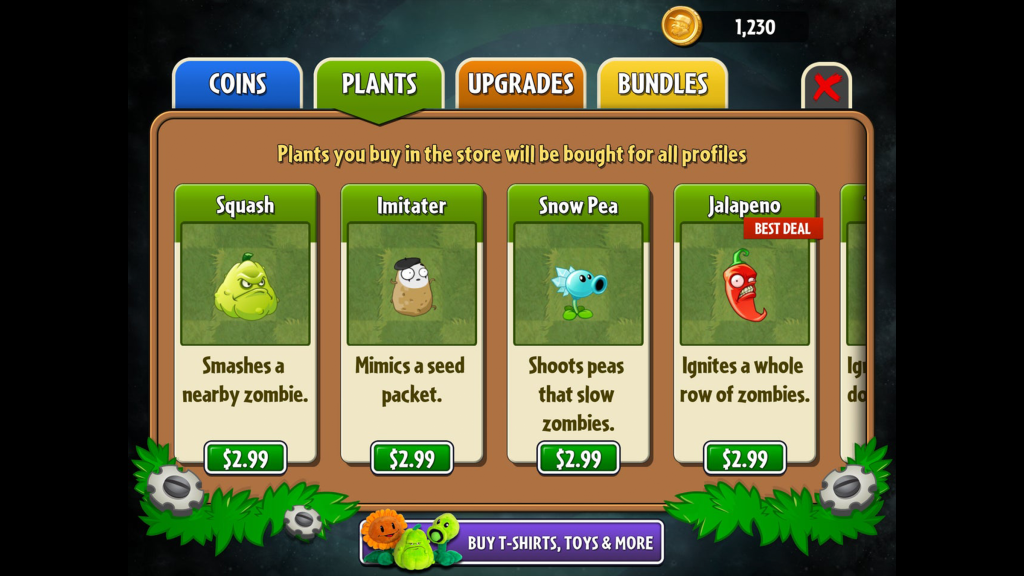
The original Plants vs. Zombies was a fun tower defense game that launched a franchise. Unfortunately, that success partly led Electronic Arts to acquire PopCap Games, and the resulting Plants vs. Zombies 2 was a mess of microtransactions. Plants that were freely available in the OG were locked behind a paywall, and the gameplay was clearly structured to force players to make purchases to proceed. Ultimately, what started as a great game series fell flat and died because of greedy execs who bled it (and gamers) dry. The franchise still exists, but it’s nowhere near as popular as it once was.
4) The Sims 4
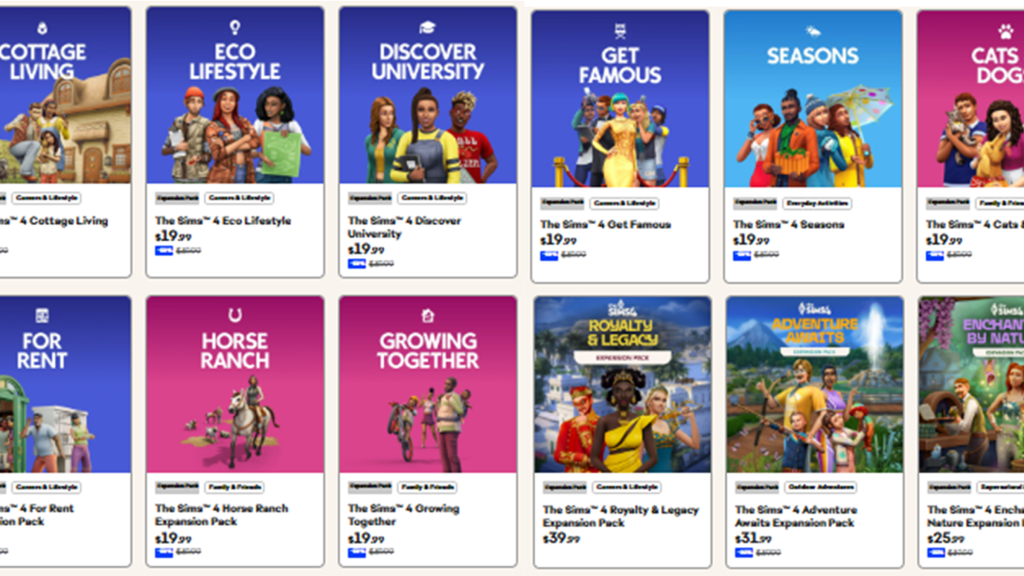
The Sims 4 was a highly anticipated sequel to an amazing franchise, but when players finally got their hands on it, they were disappointed. Regular features from its predecessors were mysteriously missing, and over time, they were made available via DLC. Some of it was free, but most had to be purchased, and it quickly got out of hand. Electronic Arts soon published 21 expansion packs and 12 game packs. There were smaller DLCs as well, allowing players to pick and choose minor additions to their gaming experience. This left many fans disenfranchised with the series, and the cost was high. To purchase everything available, a player would spend just over $1,430.
5) The Elder Scrolls IV: Oblivion

If you ever wondered where all these microtransactions and in-game economies came from, look no further than The Elder Scrolls IV: Oblivion. Bethesda started it all with something simple and relatively inexpensive: horse armor. Purchasing the DLC cost players $2.50, and they got some spiffy new armor with some additional stats to deck out their ride. This was essentially a test to see what gamers would be willing to spend money on. Unfortunately, millions of players shelled out $2.50 to armor up their horses, proving that paid content and microtransactions were something that should be explored. Did it destroy the game? No, it’s absolutely fantastic, but it set the industry on a dark path that it seems incapable of (and unwilling to) leave now.
What’s the greediest move in gaming that you’ve encountered? Leave a comment below and join the conversation now in the ComicBook Forum!
More Gaming
-

Courtesy of Koei Tecmo -

Courtesy of Rockstar Games