The network test for The Duskbloods has started, showing just how different the game is from the other FromSoft multiplayer experience — Elden Ring Nightreign. Where Nightreign has up to three players collaborate to grow stronger and defeat Nightlord bosses, The Duskbloods introduces PvP elements instead. Although players can still team up together in the Nintendo Switch 2 exclusive, The Duskbloods has a variety of other features that are far different from what FromSoft fans are used to.
Videos by ComicBook.com
Multiplayer matches of The Duskbloods are called Dusk Battles, where players compete with each other throughout various Phases. Much like Nightreign, these matches see everyone roam around a large, semi open-world, gathering resources to get stronger while fighting basic enemies and roaming, randomly generated bosses. Players can either jump into matches solo in The Duskbloods, or team up with one other competitor in Duos, creating four teams of two who participate in the PvEvP battle royale style gameplay together.
5. Character Classes Aren’t Tied To Solo Builds (Kin allies)
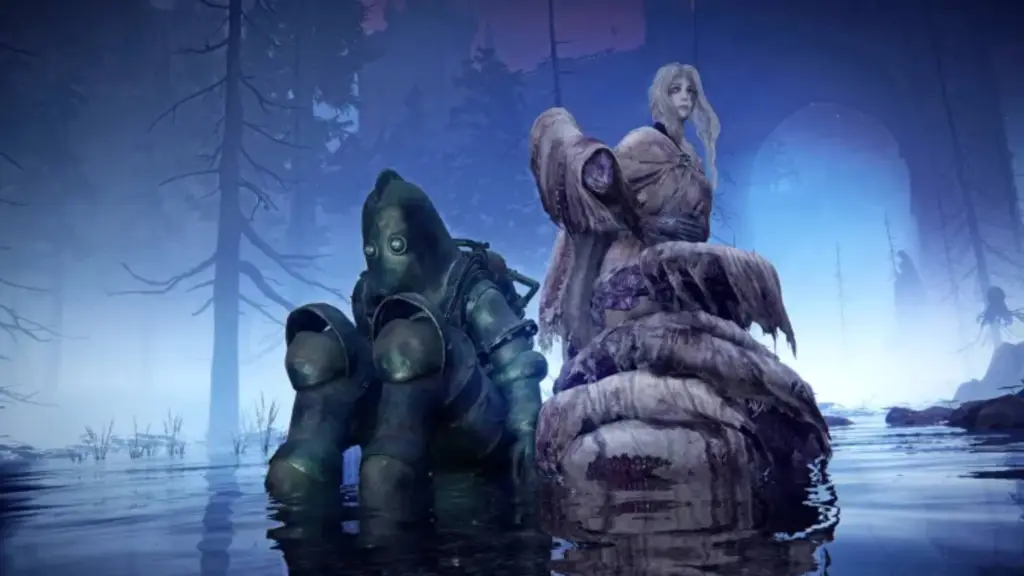
Both The Duskbloods and Elden Ring Nightreign have playable characters that act as classes for players to choose from, each with their own play style, weapons, and abilities. In The Duskbloods, this manifests through six different Bloodsworn characters, with 10 planned “classes” for the game’s official launch and this reduced number for the network test. Every Bloodsworn in The Duskbloods is unique in their own way, having their own backgrounds and stories that emerge through gameplay in the same way as Nightreign.
However, the biggest difference between each FromSoft game is how the Bloodsworn of The Duskbloods don’t have builds entirely reliant on their own skills. Every character in The Duskbloods has two Bloodsworn abilities and multiple Aspects players can choose from for new passive effects, similar to the Relic items you can equip to characters in Nightreign. Yet, there are only a few Aspects to each Bloodsworn, with the rest of their build being determined by an external character you pick to fight alongside you. These allies, called Kin, can cover a Bloodsworn’s weaknesses depending on who you choose.
The network test has eight different Kin you can pair with your Bloodsworn for varied builds, with no ally character being restricted based on who you choose. Kin can be summoned like Spirit Ashes from Elden Ring, acting as separate but united characters who stay by your side until the end of a match. Some Kin provide passive buffs to your character, while others simply act as another fighter to distract bosses. Kin level up, but you can swap them out during a match at various portals that appear randomly on the map. Some of the Kin available include:
- Baritone – A behemoth who provides your character with a stat buff while grappling enemies who get too close to him for throwing attacks.
- Undead Marlowe – An undead yet refined zombie who flings himself at targets with reckless, but unpredictable, attacks.
- Nia, Sister of the Briar – An acrobatic warrior with two swords who rapidly attacks enemies while evading hits with her own quick movements.
- Thaumaturge Avester – A floating mage who slings ranged fireballs at your enemies.
- Valentinos the Unwise – Massive hunter in a wheelchair who uses a mid-range whip and hugs targets to deal big damage up close.
- Gargoyle – A stationary statue that routinely heals you if it doesn’t get destroyed.
- Gunslinger Beatrice – A sharpshooter who uses pistols to shoot enemies from afar.
- Black Wolf of Mars – A relentless wolf companion that unleashes close range attacks.
4. Runes Are Exchanged For Several Currencies Of Virtue

Much like how characters aren’t defined in a solo setting like they are in Nightreign, the in-game resources players earn during a match in The Duskbloods are also not as straightforward. Elden Ring had Runes that fueled your character being able to level up or buy new items, but The Duskbloods has a resource called Virtue. Every Dusk Battle requires you to build up Virtue through various tasks, with the players who earn the highest amount of Virtue moving on to other Phases of a Dusk Battle while others are eliminated.
You need to accumulate as much Virtue as possible to win a Dusk Battle, but there are several types of Virtue rather than it just existing as one type of currency. In fact, there are at least a half-dozen different kinds of Virtue, each gained in a different way for accomplishing certain tasks. To understand the basic types of Virtue in The Duskbloods, check out this breakdown:
| Type Of Virtue | Limited Or Unlimited? | How To Earn |
| Repulsion Virtue | Unlimited | Defeat various bosses and Trespasser enemies during a match. |
| Commendation Virtue | Unlimited | Kill large number of smaller foes, collect more dropped items than others, or other low stakes goals. |
| Flame Virtue | Limited | Be the first person to touch a corpse on a purple seated throne, which randomly spawns somewhere on the map. |
| Sword Virtue | Unlimited | Defeat other players in PvP battles at Ritual Sites. |
| Pledge Virtue | Limited | Activate golden symbols scattered across a Ritual Site. |
| Bloodsworn Virtue | Limited | Do specific Sigil tasks tied to whichever character you’re playing. |
There are other opportunities to earn Virtue, such as completing unique Events that take place throughout a Dusk Battle. For example, players might encounter an event where they are teleported to a bell tower, and are asked to ring the bell in that location to gain extra Virtue. While Nightreign is more concerned about you spending a match’s duration to strengthen your character, The Duskbloods‘ progression is entirely tied to focusing on gathering as many types of Virtue as you can before Phases change.
3. Matches Go For Four Phases Defined By PvP
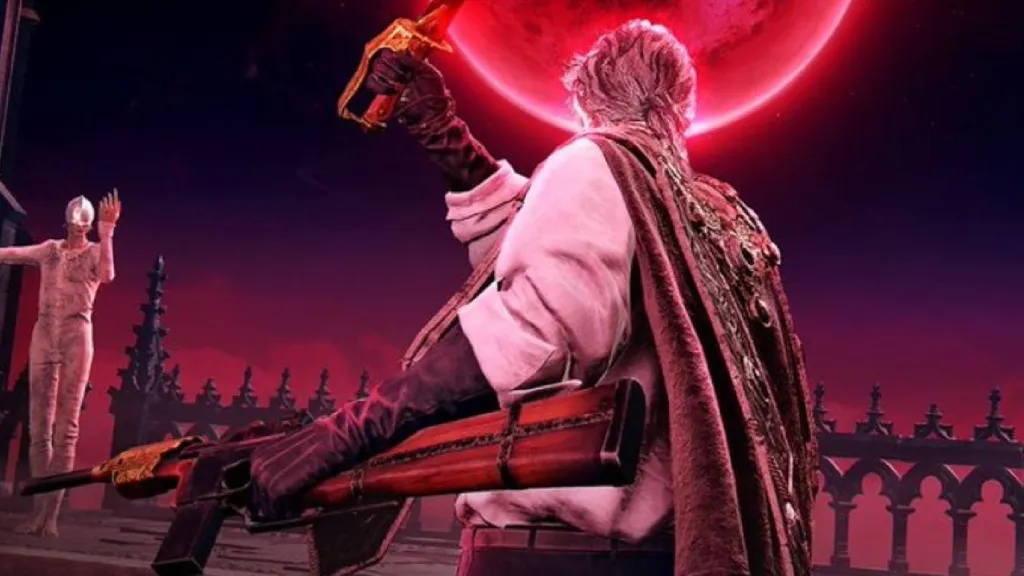
In Elden Ring Nightreign, players go through three “Nights” throughout a run, with the match failing to progress if they don’t beat a particular boss on each Night. This structure is reflected somewhat by the four Phases that make up The Duskbloods, with the Switch 2 game also breaking up its exploration for mandatory gatherings of all players before opening the map back up again. Yet, these Phases are intense in a completely different way than Nightreign‘s Nights, as they act as places where PvP creates chaotic clashes.
As each character in The Duskbloods earns Virtue, some will stand out over others. In between Phases, though, each player has a chance to make up for not having as much Virtue by taking it away from other competitors. The first Phase requires players to reach a specific quota of Virtue before they can move on, with three players being “culled” before Phase 2 begins. Between Phases 2 and 3, two more players are eliminated, before the remaining four enter Phase 4 together.
Phase 4 is not a place where you explore and gather more Virtue, but rather acts as a free-for-all where the last four players standing must eliminate each other to claim victory. During this Phase, players each have two lives they can burn through before being defeated, and must fight others in a PvP arena until one player is left standing. The last arena varies in The Duskbloods, sometimes with places you can fall from or enclosed walls that make the end of each Dusk Battle a chaotic and desperate affair.
2. Alliances Are Temporary (With One Exception)
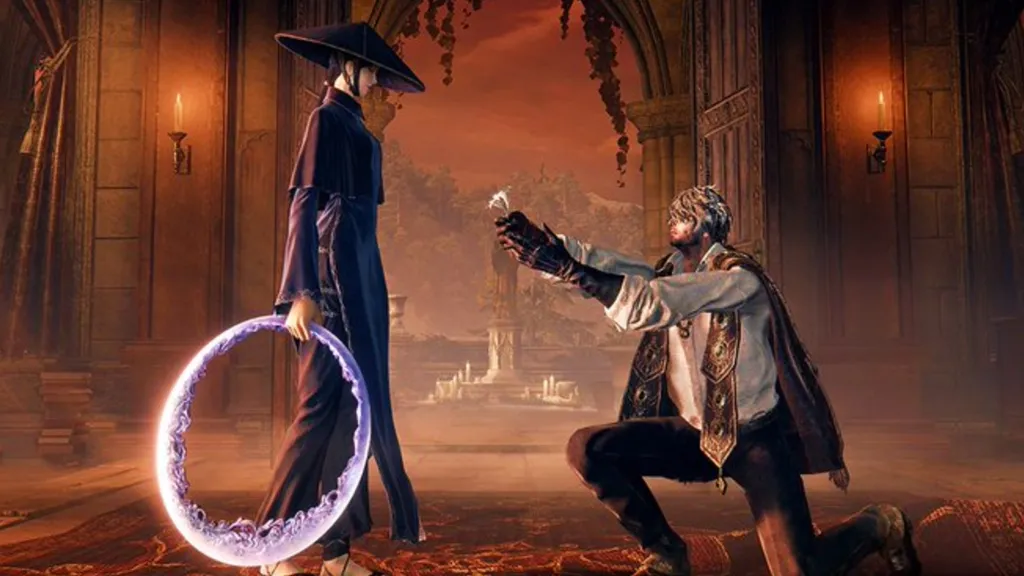
In Nightreign, you are bonded to whatever players you are facing the Night with, as 1-3 players can embark on runs together without any sort of PvP. The Duskbloods is the opposite of this, as you are in competition with others the moment a Dusk Battle starts, but this doesn’t mean you can’t form temporary bonds with enemy players. You can initiate Alliances with another willing participant, during any Phase of a Dusk Battle other than the final one.
Players that choose to partner with each other can’t attack one another, and share rewards gained from various activities. This includes Virtue, meaning that players have better chances of growing their Virtue beyond other players that work alone. On the other hand, a player in an Alliance can call it off before Phase 4, gaining a penalty by “betraying” the person they allied with. This penalty includes surrendering a portion of your built-up Virtue, so you want to make sure to do this only if you’re confident it won’t affect your chances of being eliminated.
This system is great for struggling players with low Virtue to stave off the culling between Phases, at least until Phase 4 breaks any Alliance automatically to ensure a match only has one winner. However, the Duos mode of The Duskbloods makes Alliances permanent all the way until the end of any game, with teammates sharing lives in Phase 4 if they reach that stage. Instead of individual players getting eliminated each Phase, only one Team bites the dust, leaving the last two teams with the highest Virtue in Phase 4 to try and win.
1. Strategies Are Defined In Eight Player Groups Rather Than Three
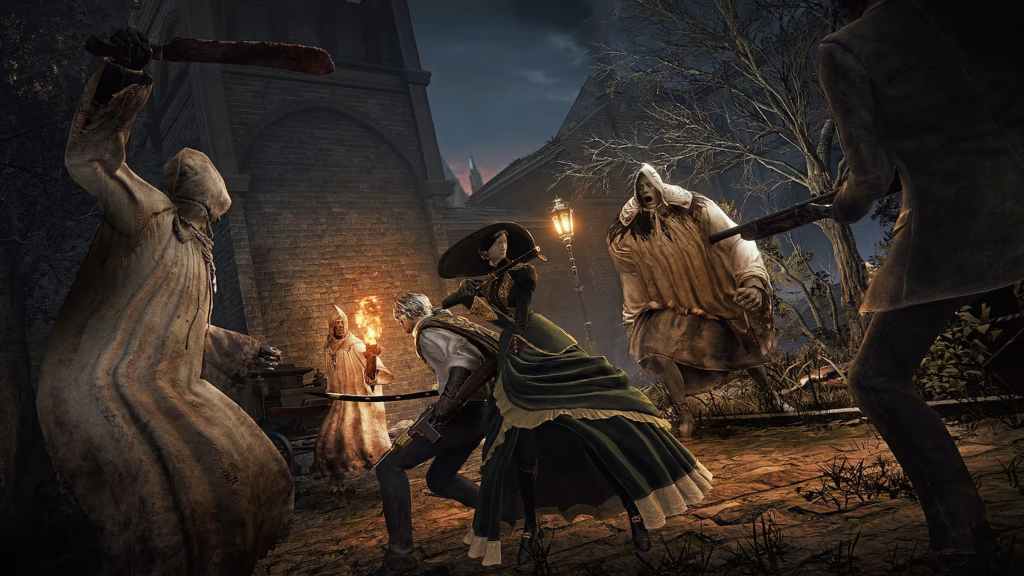
The biggest difference between Elden Ring Nightreign and The Duskbloods is the sheer number of players present during a match. Nightreign only allows three characters into each Night, but The Duskbloods more than doubles that value with eight players competing simultaneously to earn Virtue at any cost. This ups the PvP potential of every match, with the map being big enough to divide players at some times, but bring them together in situations where it’s impossible to avoid one another at specific instances.
For example, eight players on a map are drawn to the Ritual Sites between Phases, almost encouraging them to attack each other for extra Virtue. At the same time, Flame Virtue is a resource players can only gain once during a match, similar to specific Event Virtue that spawns elsewhere. If there were only 1-4 players in a Dusk Battle, this Virtue would be easy to acquire, but having up to eight people competing for it feels very different from Nightreign. Although the population of players does get smaller, that initial chaos easily helps this game find its identity.
Having to fight off seven other players for your Virtue in between Phases can be challenging, yet rewarding when you manage to not get picked for elimination. Although the exploration and sandbox nature of The Duskbloods feels very similar to Elden Ring Nightreign at times, it’s certainly the PvP elements of the Switch 2 game that set it apart from anything FromSofware has done before.
More Gaming
-

Image courtesy of Capcom -

Image Courtesy of Sony Interactive Entertainment -

Courtesy of Nintendo -

Courtesy of Bandai Namco -

Image Courtesy of Rockstar Games -
Image Courtesy of Electronic Arts