Like the other Baldur’s Gate games before it, Larian’s masterpiece Baldur’s Gate 3 uses the lore and rules of Dungeons & Dragons. But it does take some liberties with those core rules in order to translate the classic TTRPG to a video game format. At its heart, though, playing Baldur’s Gate 3 feels a lot like D&D in the ways that matter, particularly when it comes to the turn economy of the game’s party-based combat. So it may come as a surprise to learn that Larian almost abandoned one element of the D&D rulebook.
Videos by ComicBook.com
In a recent interview with Polygon, Larian’s Swen Vincke revealed that early builds of Baldur’s Gate 3 didn’t include reactions. For those who’ve not rolled an IRL D20 in a while, D&D reactions are a kind of quick action that players can take in response to certain triggers during combat. They are a pretty core element of making certain builds work, but Larian initially wanted to leave them out of its D&D game entirely. Thankfully, fan feedback changed that.
Early Baldur’s Gate 3 Builds Didn’t Include Reactions, But Players Changed Larian’s Mind
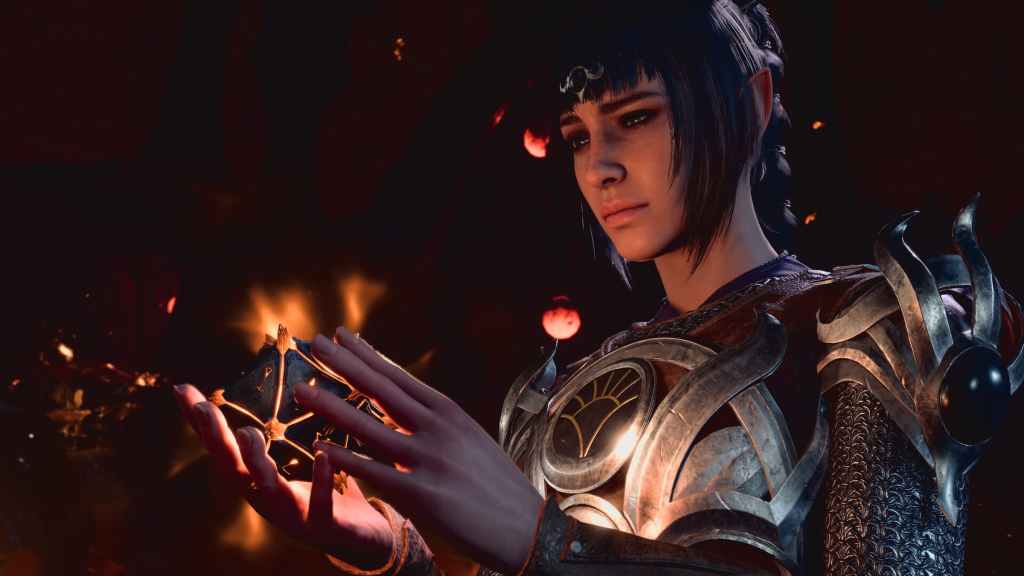
According to Vincke, Larian worried that reactions would slow down combat in Baldur’s Gate 3. Though intended to be speedy in theory, reactions do add another step in combat. If an opponent moves out of melee range, for instance, characters can use their reaction to make an attack of opportunity. That attack adds another step in the flow of battle that wouldn’t exist without reactions.
If there’s one flaw in Baldur’s Gate 3, it’s certainly not that combat moves too quickly. With turn-based combat that requires every enemy and player character to make decisions on what to do next, some of those battles can drag on. So I can certainly see why Larian worried that having reactions would add even more steps to each round of combat. Early playtesters, however, apparently urged Larian to reconsider. Reactions may add a bit of extra time to each round of combat, but they also add a lot of flexibility for players to make the most of their turns.
If you’ve played Baldur’s Gate 3, you know that reactions did in fact wind up in the game after players convinced Larian it was the right move. And that’s a very good thing, because some D&D classes just wouldn’t feel the same without them. Things like a Sorcerer’s ability to Bend Luck or a Monk’s quick Deflect Missiles reflexes really let players get more creative with how they use their turns, and BG3 would likely have suffered without these options.

This player feedback is part of why Larian plans to launch its next game, Divinity, in Early Access. Though not all gamers like the trend of Early Access releases, the feedback offered from actual players can really make a difference for games like Baldur’s Gate 3. Sometimes, you really just need that outside perspective, as in the case with reactions and the action economy in Baldur’s Gate 3.
Larian’s turn-based RPG may not be an exact replica of what D&D gameplay feels like, but it certainly can help you get a grasp of the basic rules. And thanks to fans, those rules include reactions. Now if you’ll excuse me, I need to make sure Shadowheart uses her reaction to cast Shield before she goes down in combat again.
What do you think of Baldur’s Gate 3 originally planning to leave out reactions? Leave a comment below and join the conversation now in the ComicBook Forum!
Most Viewed
-

Courtesy of Sony Pictures Animation / McDonald's -

Image Courtesy of Netflix