Some movies become successful, and some movies become so legendary they’re still the first thing people bring up whenever a certain genre comes up. And when it comes to that second category, today marks 41 years since the greatest sci-fi movie ever hit theaters, took over pop culture, and cemented itself as a timeless classic. And it’s not just nostalgia keeping it alive. Watch it today (or better yet, introduce it to a new generation) and it’s still just as entertaining, incredibly well-written, and surprisingly smart, balancing humor, emotion, and a story full of interesting time-travel paradoxes. It’s pretty hard to find movies that have aged this well while still feeling so accessible to first-time viewers. But here’s the most surprising part: it almost never happened.
Videos by ComicBook.com
Sometimes you come up with an idea for a film, develop it, pitch it to a studio, and get rejected — that’s completely normal. Then you take it to another studio, and the exact same thing happens. Before you know it, you’ve pitched it over and over again, making small improvements to the script along the way, but the response never changes: the main concept makes the movie too difficult to sell. Funny enough, nobody realized they were looking at what would eventually become one of the most influential films of the ’80s. The changes that were made over the years weren’t about fixing a broken idea, but about polishing one that already worked.
Back to the Future Was Rejected More Than 40 Times by Studios
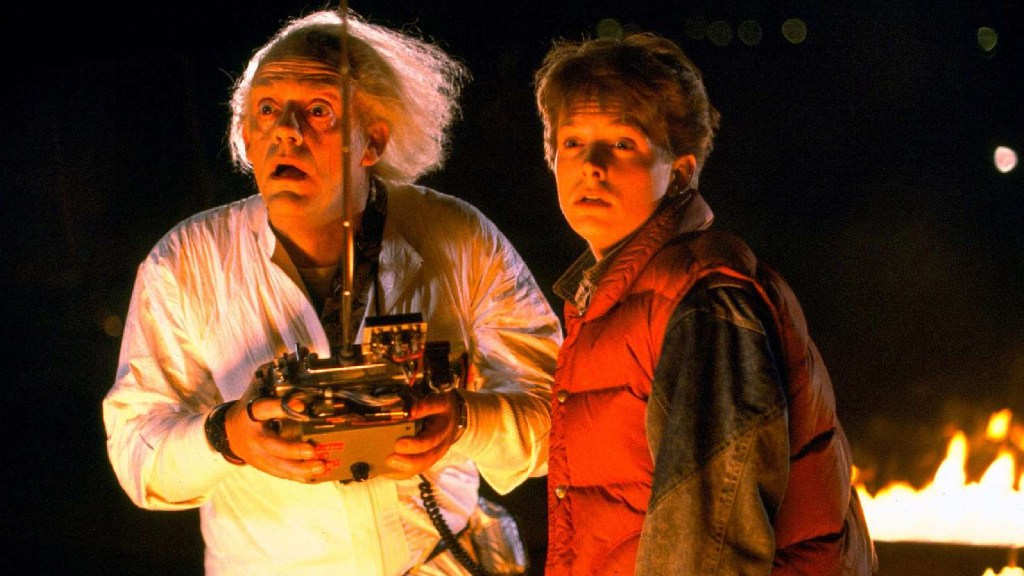
On July 3, 1985, theaters welcomed Back to the Future, which follows Marty McFly (Michael J. Fox), a teenager who accidentally travels from 1985 back to 1955 in a time machine built by the eccentric scientist Doc Brown (Christopher Lloyd). Once there, he unintentionally interferes with his parents’ first meeting, putting his own existence at risk and forcing himself to repair the timeline before finding a way back home. It sounds simple — but only today. The movie’s brilliance lies in how it turns a concept filled with complicated rules into an adventure that’s light, funny, and remarkably easy to follow.
And yes, it’s hard to believe now, but this script spent years failing to convince Hollywood, being rejected 44 times before finally getting the green light. And do you know why? It wasn’t because the idea was bad; it was because nobody knew exactly where the movie fit. At the time, the biggest teen comedies were leaning into more adult humor, while sci-fi was dominated by stories set in outer space or futuristic worlds. Back to the Future did the exact opposite. It was a family-friendly sci-fi adventure that spent most of its runtime in the ’50s. To many studio executives, it sounded like a good movie, but it just didn’t sound like one that would be easy to market. Columbia Pictures, for instance, reportedly called it “too sweet,” while others believed time travel simply wasn’t a concept that could make money.
And even Disney ended up rejecting it, but for an entirely different reason. The studio felt that the storyline involving Lorraine (Lea Thompson) developing feelings for Marty was too risky for its family-friendly image. Ironically, that’s now considered one of the funniest and most brilliantly uncomfortable parts of the movie because the audience knows something Lorraine doesn’t. At the time, though, it was enough to scare potential buyers away. Things only started moving once Steven Spielberg got involved.
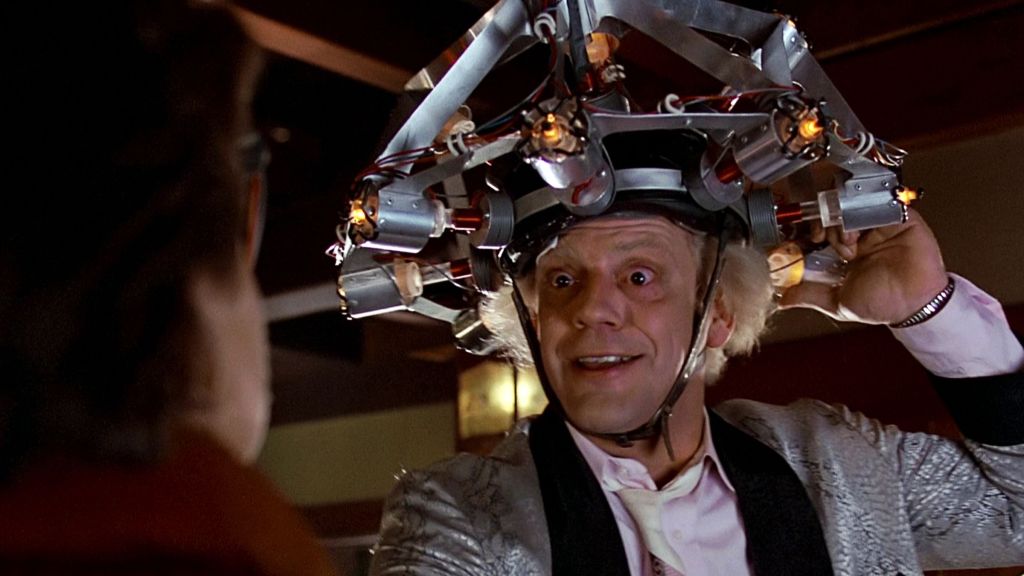
The legendary filmmaker had already read the script and loved the concept, but according to creators Bob Gale and Robert Zemeckis, they were initially hesitant to bring him onto the project because they had already worked with Spielberg twice as a producer, and both collaborations had been commercial disappointments. Plus, they worried people would start saying they could only get movies made because of Spielberg’s support. But everything changed after Zemeckis directed the hit Romancing the Stone, which significantly boosted his reputation. After that, Spielberg officially joined the project, and Universal Pictures (the same studio that had previously passed on it) finally gave it the green light.
What’s even more impressive is that Gale and Zemeckis didn’t spend all those years completely rewriting the story in search of the “right version.” From the very beginning, Marty already traveled back in time, his parents still needed to fall in love again, and the risk of erasing himself from the timeline was already the story’s central conflict. In other words, Hollywood rejected essentially the same screenplay dozens of times before it eventually became one of the best-structured scripts in commercial filmmaking. But what actually changed? Because for longtime fans especially, those changes were definitely significant.
What the Movie Originally Looked Like

Believe it or not, some of the biggest differences involve elements that now feel inseparable from both the film and the franchise it became. In the first draft, for example, Doc Brown was still called Professor Brown, Jennifer (Claudia Wells) had a different name, and Marty was a much more self-interested protagonist whose main goal was making money. But the biggest difference centered on the movie’s most iconic element: the time machine. By now, some fans already know this story, but for those who don’t, the famous DeLorean wasn’t part of the original screenplay at all. At that point, the car hadn’t even been released commercially yet, so instead, the time machine was a refrigerator powered by experimental technology.
The only problem was that this completely changed how the movie ended. If the refrigerator had stayed, we never would’ve gotten the unforgettable clock tower sequence. Instead, Marty would’ve had to take the refrigerator to a nuclear test site in the Nevada desert to harness the energy from the explosion. Yes, it was a much bigger climax in terms of scale, but infinitely less elegant — not to mention far more complicated from a production standpoint. But replacing an atomic bomb with a lightning strike hitting the clock tower didn’t just reduce production costs; it also gave the movie a much stronger visual identity. Today, it’s impossible to imagine Back to the Future any other way.
But the time machine wasn’t the only difference. Doc Brown originally had a chimpanzee named Shemp instead of Einstein the dog, and Marty was also involved in a bootleg VHS operation alongside the scientist, which naturally made him a far less likable protagonist. They’re small changes on paper, but together they make a huge difference because they’re all about helping the audience connect with the characters from the very beginning. It doesn’t matter how good your story is if people don’t care about the characters. And as for them, the alternate future had some different plans too.
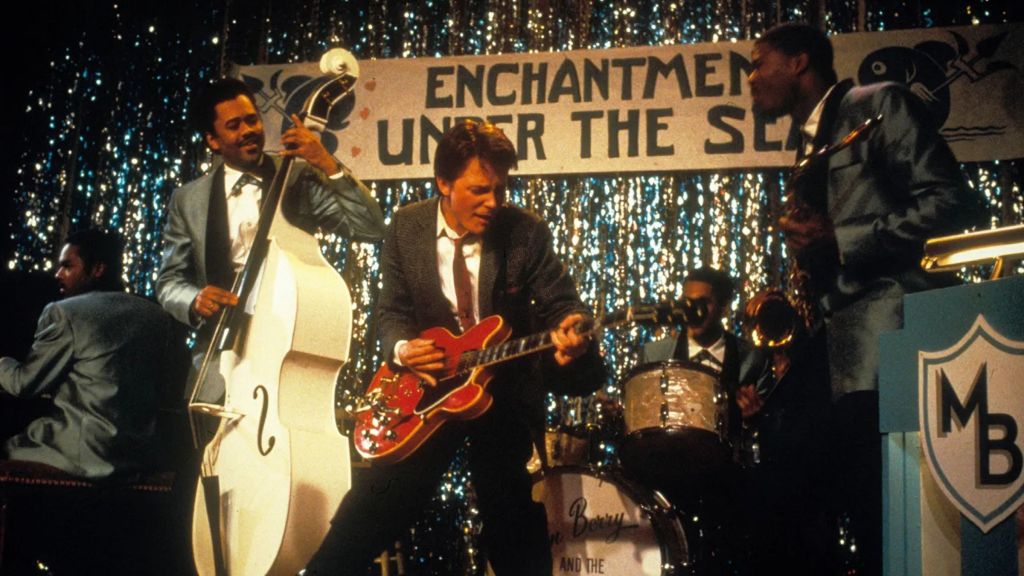
In the original version, George (Crispin Glover) ended the story as a famous boxer instead of a successful writer. Marty also had an older brother, and some of the family dynamics were different. As you can see, none of those changes affected the story’s overall structure; they were just about finding more interesting consequences for the changes Marty caused in the past. Even if they seem like small details, they ultimately make the story feel more cohesive as a whole. Thankfully, those revisions also gave us scenes that are now considered all-time classics, like the “Johnny B. Goode” performance, which was originally supposed to be “Rock Around the Clock.” It’s a change that makes all the difference since it turns into one of Back to the Future‘s funniest jokes: making Marty an accidental influence on the history of rock music.
The only thing that never changed (and thankfully so) was the title, even though Universal wanted to replace it because executives believed the word “Future” didn’t help movies succeed. And you know the title they suggested? Space Man from Pluto. It might work for a generic sci-fi film, but it doesn’t fit this story. And ironically, that’s exactly how the studio viewed the original title, believing it would make the movie seem like something aimed exclusively at sci-fi fans. They even suggested changing dialogue and characters, with George writing a book called “Space Man from Pluto” in the final scene to tie everything together. Nobody dared to push back against the president of Universal, but Spielberg ended up saving the day.
In the end, it’s really cool to realize that Back to the Future became the cinematic landmark it is today (with its screenplay now widely studied by aspiring writers) because of that long journey. It wasn’t created to follow trends or imitate whatever was popular at the time, nor did it accept everything studios insisted was wrong with it. The revisions only refined what was already there. And that’s the biggest irony of all: the same industry that refused to make the movie after more than 40 attempts by its creators ended up watching it become one of the greatest sci-fi productions ever made, a masterclass in screenplay structure, and an influence on countless films that followed.
What do you think? Leave a comment below and join the conversation now in the ComicBook Forum!
More Movies
-
IMAGE COURTESY OF WARNER BROS. -
Image Courtesy of Marvel -
Image Courtesy of Marvel