Miles Morales has a problem. He’s finally figured out that being Spider-Man means making your own rules, only now he’s stuck in a universe where practically everybody wants to tell him what those rules should be. Miguel O’Hara thinks he knows how Miles’ story is supposed to end. His parents are in danger, the Spider-Society is after him, and the multiverse has become a pretty unpleasant place to be when you’re the one person refusing to follow the script. That’s quite a cliffhanger to leave audiences with. And after everything Across the Spider-Verse put Miles through, the next movie has a lot more to accomplish than simply getting him home.
Videos by ComicBook.com
There’s also something bigger at stake. The first two movies established Miles as a Spider-Man who could stand alongside Peter Parker without having to imitate him. But Beyond the Spider-Verse has an opportunity to take that idea somewhere neither film could. Miles could finally become a Spider-Man whose adventures don’t depend on crossing between dimensions or meeting another version of himself. He needs an ending that feels earned, but I don’t think that means Sony should close the door on his future. In fact, the opposite might be considerably more exciting.
Beyond the Spider-Verse Has to Let Miles Morales Define His Own Ending
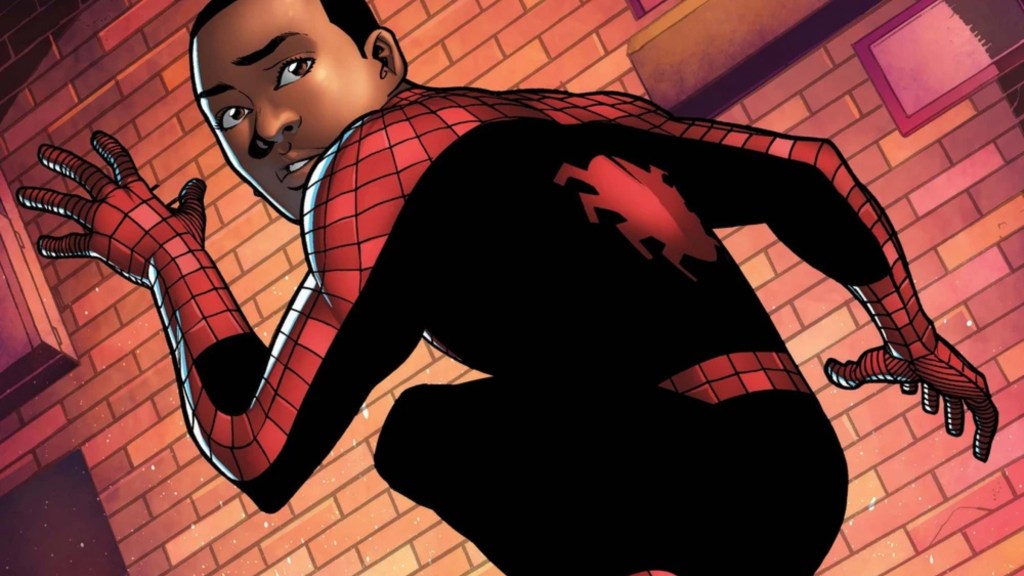
One of the best things about Across the Spider-Verse is that it takes the idea of Miles being an anomaly and turns it into something much more personal. Miguel O’Hara believes certain events have to happen for the multiverse to survive. Miles refuses to accept that his father’s death should be one of them. That’s a pretty enormous disagreement when the person making the rules is leading an army of Spider-People. But Miguel’s obsession with preserving canon also creates an interesting contradiction. Spider-Man has always been about people making difficult choices when the odds are against them. Peter Parker didn’t become a hero because somebody handed him a list of acceptable tragedies. Miles shouldn’t have to either. The first movie established that anybody can wear the mask. The sequel pushed that idea further by showing how much pressure comes with being the person who wears it differently. Now the third installment needs to prove that Miles can make his own choices even when the consequences are enormous.
I’d also hate to see the movie get so caught up in explaining the multiverse that it forgets about the people who make Miles’ story worth watching. His relationship with his parents has always been one of the strongest parts of these films. Jefferson and Rio aren’t just supporting characters waiting for their son to finish saving reality. They’re the reason Miles wants to become a better Spider-Man in the first place. Then there’s Gwen, whose relationship with Miles became considerably more complicated after the events of the second movie. The franchise has spent so much time introducing alternate Spider-People and exploring different dimensions that it would be easy to lose sight of its emotional center. Miles doesn’t need to defeat Miguel just to prove a philosophical point. He needs to save the people he loves without sacrificing the person he’s become. That’s a much better ending.
Could Beyond the Spider-Verse Finally Bring Miles Morales Into the MCU?
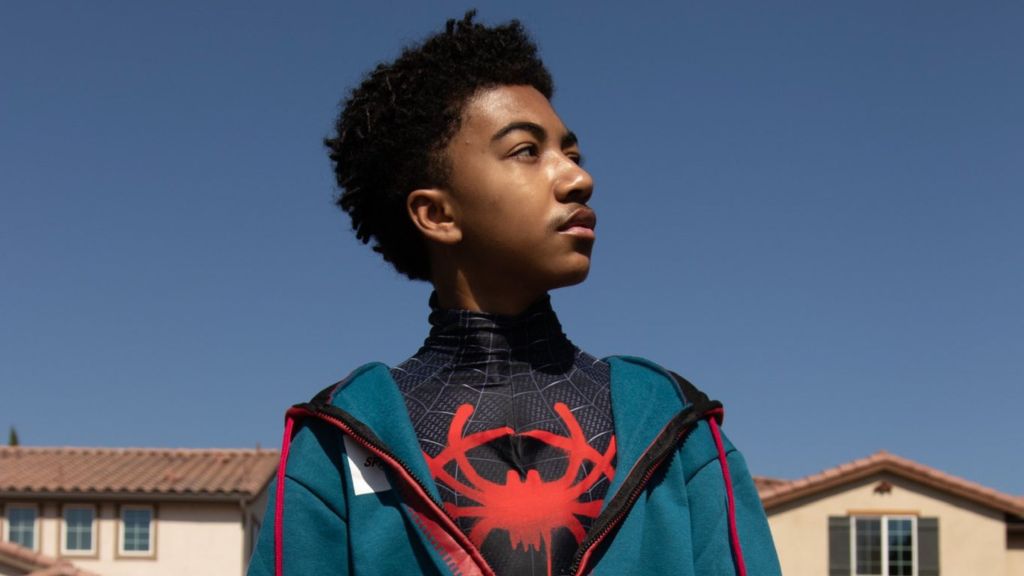
Here’s where things get particularly interesting. Miles has spent two movies surrounded by different versions of Spider-Man, but he has never really needed them to justify his place in the franchise. That’s why I’d be interested in seeing what happens after the Spider-Verse story ends. The MCU has already established that Miles exists somewhere in its larger universe. Aaron Davis mentioned his nephew in Spider-Man: Homecoming, and Donald Glover returned as the character in Across the Spider-Verse. That was a pretty amusing connection for fans who have been waiting to see Miles make his live-action debut. It also leaves an obvious possibility sitting on the table. What happens when Miles finally gets to meet the Peter Parker played by Tom Holland? We’ve seen Miles learn from alternate Spider-Men, but a meeting with the MCU’s Peter could be something entirely different. Peter is still figuring out how to rebuild his own life after No Way Home. Miles could enter that world as somebody who has already faced the impossible and survived it.
I wouldn’t want Sony to rush that crossover just because audiences keep asking for it. Miles deserves more than becoming another character introduced to keep the MCU moving. The whole point of the animated movies is that he doesn’t need to live in Peter Parker’s shadow. If Beyond the Spider-Verse gives him a proper conclusion, there’s no reason his next adventure couldn’t take place somewhere completely different. He could become the Spider-Man of his own world without needing another multiverse crisis to make his existence interesting. And that’s what makes this final chapter such an appealing opportunity. Sony can finish the story it started in 2018 while leaving Miles with an enormous future ahead of him. I want to see him get home, save his family, and finally decide what being Spider-Man means on his own terms. If that eventually leads him to the MCU, great. But I’d rather see Miles Morales become a hero who can carry his own franchise than another Spider-Man waiting for a crossover.
More Movies
-
Image Courtesy of Marvel -

Courtesy of Paramount Pictures