As wildly successful as the Marvel Cinematic Universe is, not every project it releases is as universally beloved as its biggest hits are. The divisive reactions to several of the MCU’s television projects, especially those released during the ongoing Multiverse Saga, are well-known, but fans and critics also haven’t embraced all of the movies as much as they do masterpieces like Captain America: The Winter Soldier or Black Panther, even back during the Infinity Saga glory days.
Videos by ComicBook.com
But while many of the criticisms of certain entries are entirely justified, there are a few films which are at least partially misunderstood, and worth rewatching for critical viewers to see if they come to appreciate more over time. Among this group are two of the franchise’s billion-dollar blockbusters, which despite their box office success, feature storylines that are misinterpreted especially frequently.
4) Iron Man 3 (2013)
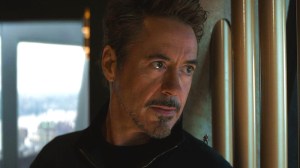
The goodwill from The Avengers and the star power of Robert Downey Jr.’s Tony Stark easily ensured that Iron Man 3 followed its crossover predecessor into the $1 billion earners club. But the threequel remains a source of heated controversy among fans more than a decade later.
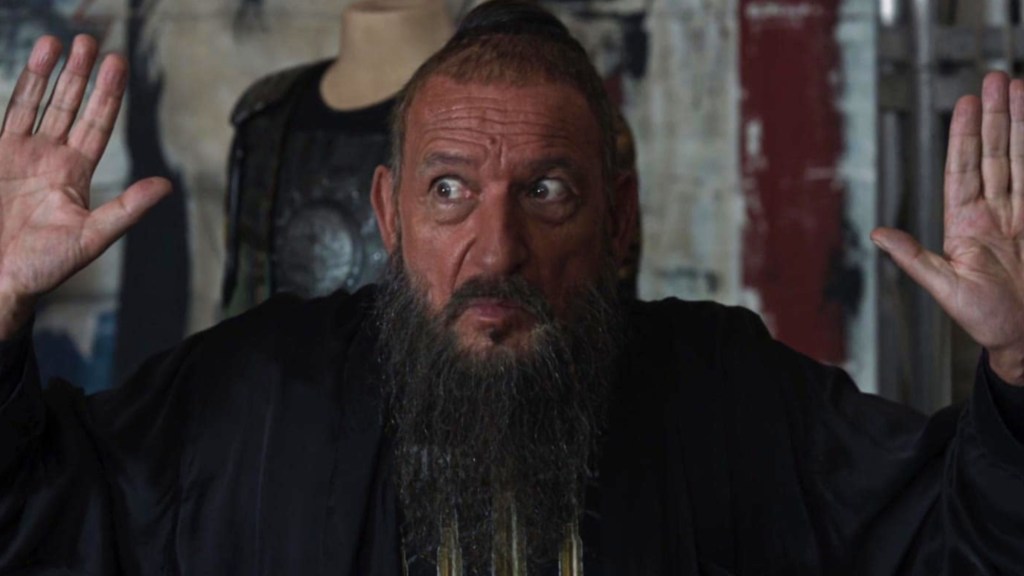
While several other aspects of Iron Man 3 are also criticized, its most infamously divisive element is “the Mandarin twist.” The original Iron Man film had heavily foreshadowed a confrontation between Tony and The Mandarin, his arch-nemesis from Marvel Comics, and indeed plenty of fans were frustrated that the latter character did not appear in 2010s Iron Man 2. Anticipation for the third film therefore became especially intense when Sir Ben Kingsley was cast as The Mandarin, and only continued to grow after the film’s trailers sold him as Tony’s most dangerous foe yet. The reveal that Kingsley’s character was actually a buffoonish actor hired as part of Aldrich Killian’s (Guy Pearce) villainous scheme was by far the MCU’s biggest subversion of expectations yet.
Some contemporary film reviews praised the twist, but most fans responded negatively, with varying degrees of intensity. Even many of those who had acknowledged that The Mandarin would have to be heavily modified to avoid perpetuating the problematic racial stereotypes often associated with the comic book character, felt that the film went too far, arguing that the comedic role given to Kingsley wasted the legendary actor’s talent and undermined the stakes of the film’s plot. But in truth the twist is crucial to progressing the themes of the film and the Iron Man trilogy as a whole.
Each Iron Man movie features a villain that is a dark reflection of Tony, consciously seeking the material benefits of war profiteering that Tony himself unknowingly enjoyed before ending his career as a weapons manufacturer. Killian is the most extreme example of this trend, disguising the destructive side effects of his own experiments with superhuman soldiers as terrorist attacks so he could profit off the U.S.’ subsequent use of said soldiers and his company’s other defense technologies, and, as he puts it “own the War on Terror.” While the early scenes of Kingsley’s Trevor Slattery performing as “The Mandarin” are largely free of the Asian stereotypes from the comics, they purposely play into the harmful tropes about Middle Eastern and Muslim communities that have been prevalent in much American media post-9/11. This makes the reveal that the film’s actual villain is the white capitalist Killian a sharp, highly necessary bit of satire. More viewers have come to recognize and appreciate the Mandarin twist in subsequent years, especially since Shang-Chi and the Legend of the Ten Rings and Wonderman both introduced a more comic accurate equivalent to The Mandarin and further developed Trevor’s character, but plenty still unfairly dismiss Iron Man 3 because of it.
3) Captain Marvel (2019)
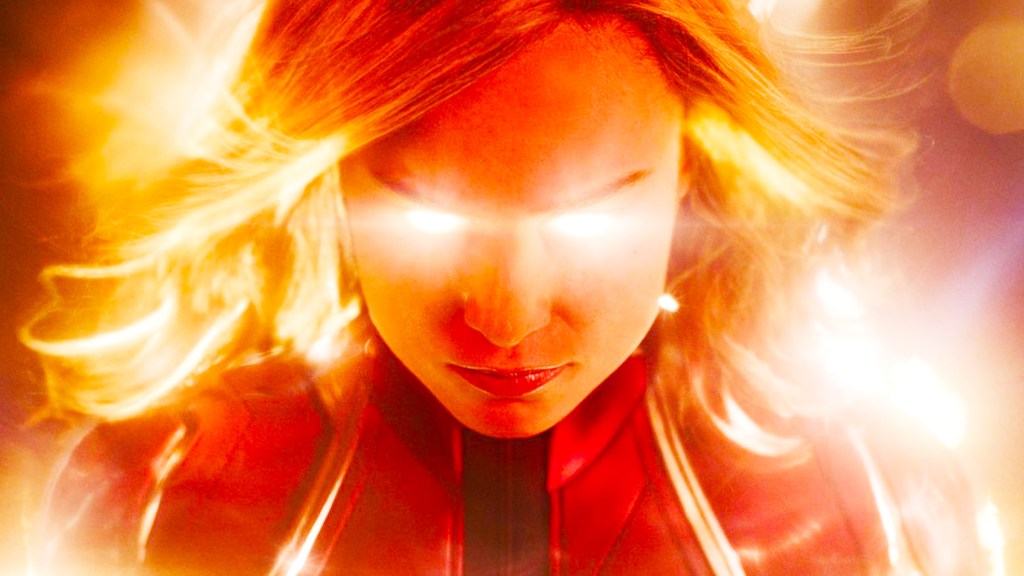
Captain Marvel was released at the peak of the MCU’s cultural dominance in Phase 3, with its main character having been teased in Avengers: Infinity War the year prior and confirmed to join the wider ensemble in the wildly anticipated Endgame that was released just a few months later. This made it similarly easy for Carol Danvers’ (Brie Larson) first movie to gross well over $1 billion despite being controversial for a variety of reasons and the subject of highly toxic online discourse. As the franchise’s first female-led film this intense scrutiny was unfortunately somewhat predictable, and indeed many of the criticisms leveled against the film were either exaggerated or willfully disingenuous, coming from viewers who were biased against the film’s story, or even simple existence, for political reasons.
But there are some legitimate problems with how Captain Marvel portrays its lead character that have affected the success, or lack thereof, of her MCU arc. Carol is introduced with amnesia, believing herself to be a simple warrior of the alien Kree Empire, despite her unusually strong supernatural abilities. This is an understandable choice, as it allows the plot to gradually reveal her true, Earth-based origin story, which is rather complicated, and make important points about the kinds of emotional abuse and manipulation real women regularly endure. But she also spends most of the film being manipulated by her Kree superiors, specifically squad leader Yon-Rogg (Jude Law), who gaslights her into suppressing many of her emotions so she won’t be able to use her powers to their full extents. In tandem, these plot points prevent Larson from giving the character much of an individual personality until late in the story.
For practical reasons, Larson filmed her role in Endgame before Captain Marvel. Wanting the latter’s creative team to have as much freedom as possible regarding how to develop the character, the filmmakers behind Endgame kept Carol’s role relatively small and she consequently comes across as something of a cipher, though a charismatic one, in the crossover. Collectively, these decisions prevented viewers from becoming as personally invested in Carol as they had with previous Marvel headliners and Larson from giving the kind of multifaceted performance many of the Oscar winner’s other projects show she’s capable of. These were certainly some of the reasons for the minimal viewership of Carol’s “solo” sequel, The Marvels, though that film is ironically much more vibrant and consistently emotional.
2) Eternals (2021)
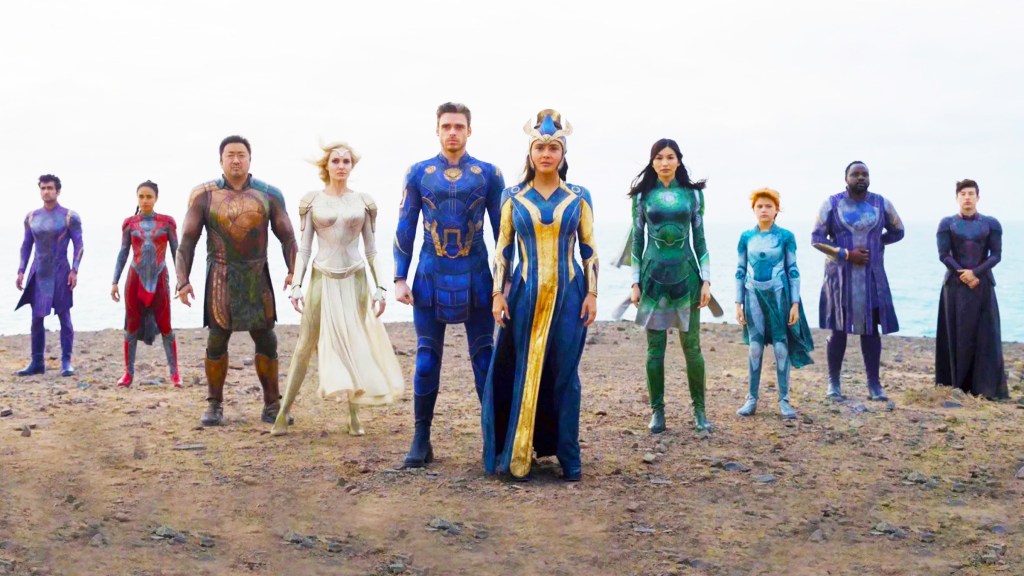
No matter how many detractors previous films had, this sci-fi epic was the first MCU movie to be negatively received overall. This was especially surprising and disappointing given that director Chloé Zhao’s previous film, Nomadland, won the Academy Awards for Best Picture and Best Director. This had led Kevin Feige and other Marvel executives to predict that Eternals could be one of the rare comic book movies to receive multiple Oscar nominations and other industry accolades, as Black Panther had.
Viewers struggled to accept and find investment in Eternals because of its basic premise. While some Marvel fans were interested in seeing how the titular group of immortal superhuman aliens had influenced the MCU Earth’s history, many were bothered by the Eternals’ lack of participation in both real historical conflicts and tragedies, and the world-altering threats shown in previous Marvel movies. This question is a major focus of the film itself, which explains that the Eternals’ creator, the Celestial Arishem (David Kaye), commanded them not to involve themselves in human conflicts, as doing so would alter the latter species’ evolutionary process. Many viewers found this explanation to be unsatisfying, but that is arguably the main point of the film.
With the exception of Druig (Barry Keoghan), the Eternals followed Arishem’s instructions with minimal questions for thousands of years, and even when it’s revealed that he intends to allow Earth to be destroyed so a new Celestial can be born, several of them continue to do so. Only the seven Eternals who dedicate themselves to saving the planet once they discover the truth can be called heroic, and only for that small portion of their supernaturally long lives. While the film’s supporters find the exploration of the morally ambiguous cast interesting, it’s understandable why a larger portion of the audience was put off by the less altruistic protagonists.
1) Thor: Love and Thunder (2022)
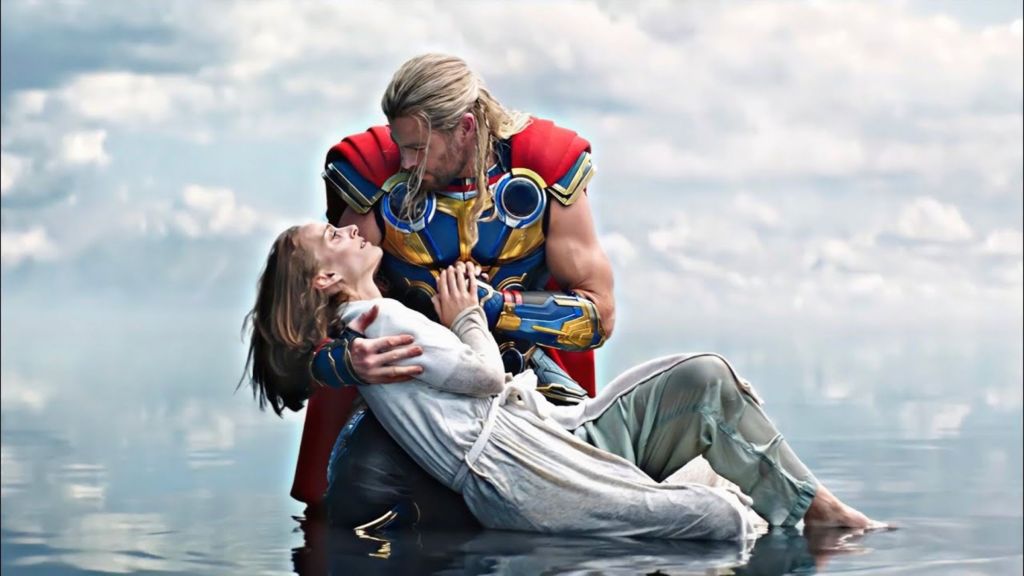
Taika Waititi’s Thor: Ragnarok is one of the MCU’s most popular movies, and is credited with reviving both the audience and Chris Hemsworth’s own interest in the Asgardian Avenger after Thor’s roles in his own earlier sequel, Thor: The Dark World, and Avengers: Age of Ultron left them unsatisfied. Unfortunately, reactions to Hemsworth and Waititi’s second collaboration were drastically different. Although still financially successful, Thor: Love and Thunder received sharply divided reviews, with many opinions of it having seemingly worsened over time.
Love and Thunder pits Thor against Gorr (Christian Bale,) an alien also known as “the God Butcher.” After encountering a group of self-centered gods following the death of his daughter, Love (India Hemsworth), Gorr takes up the dark magic Necrosword and begins a mission to kill all the deities in the universe. Thor and his allies, including his ex-girlfriend Jane Foster (Natalie Portman), who herself became the superhero known as the Mighty Thor after receiving a terminal cancer diagnosis, fight valiantly, but are unable to prevent Gorr from reaching Eternity, an omnipotent cosmic being who can grant those who encounter him any one wish. Gorr is initially further outraged when Thor turns away from fighting him to tend to a dying Jane, but Thor asks why he would spend what are potentially his last moments continuing to futilely fight or plead with Gorr rather than relishing time with the woman he loves. Gorr realizes his enemy is right and uses his wish to resurrect Love, rather than eliminating the remaining gods, before himself dying, with Thor promising to adopt the girl.
Criticisms of Love and Thunder‘s overuse of slapstick comedy are hard to disagree with, and the film certainly doesn’t handle the contrast between its comedic and dramatic elements as well as Ragnarok did. But many comic book fans also argue that the film is a poor adaptation of the acclaimed comic book storyline Gorr debuted in, and this is more debatable. While its true that the film’s relatively brief runtime prevents it from actually showing Gorr butcher as many gods as the comics do, the results of his rampages are displayed in unsettling ways and Bale’s unhinged performance makes the character sufficiently frightening whenever he’s onscreen. But the most important point of the film is that ultimately Gorr’s hatred of the gods is overcome by his love for his daughter, which parallels Thor’s decision to embrace his remaining time with Jane, however brief it is. Reveling too much in Gorr’s violence would have risked obscuring the character’s humanity and making his choice less believable and emotionally satisfying.
What Marvel movies do you think are misinterpreted? Discuss in the comments.
More Movies
-
Image Courtesy of Marvel -

Courtesy of Summit Entertainment -
Image Courtesy of Paramount Pictures