Not every movie is going to please everyone, but some are so poorly received that it seems like most people never really understood what they were trying to do or where their stories were going. The 2010s had quite a few examples of this, with ambitious projects that were criticized for confusing scripts, controversial creative choices, or just failing to meet expectations. And today, if you try to remember them, you’ll probably think of the backlash they gained before remembering the films themselves.
Videos by ComicBook.com
But were they really all that bad? Maybe some of them were, but others actually have great performances and bold ideas. This isn’t about ignoring their flaws, but keeping in mind that a movie’s reputation doesn’t define its quality.
4) The Tree of Life

It’s not exactly fair to call The Tree of Life a hated movie, but it’s not exactly a loved one either. It’s the kind of film that tends to divide audiences, and it’s easy to understand why: if you start watching it expecting a traditional family drama, you’ll find yourself wondering what you’re getting into halfway through. The story follows Jack (Sean Penn), a man looking back on his childhood in ’50s Texas and his tough relationship with his parents, especially his father. So far, so good, right? But then the film starts intercutting those memories with sequences depicting the creation of the universe, the evolution of life, and questions about spirituality and existence. In other words, this isn’t a mainstream movie.
The Tree of Life has a slower pace, is packed with symbolism, and doesn’t always make its ideas explicit. For some people, that can come across as an attempt to be one of those supposedly profound movies that people dismiss as pretentious. But despite looking like it’s all beautiful imagery and philosophical musings, there’s more to it than that. What makes the film truly good is the way it shows an imperfect family dealing with issues that are very real. Jack’s relationship with his father, for example, shows how someone can grow up admiring a person but also holding resentment toward them for everything they’ve done. It’s this more personal side that keeps the movie from getting lost in its own ambitions. Is it experimental cinema? Yes. Is it for everyone? No. But it’s worth experiencing if you’re willing to give it a chance.
3) Cloud Atlas
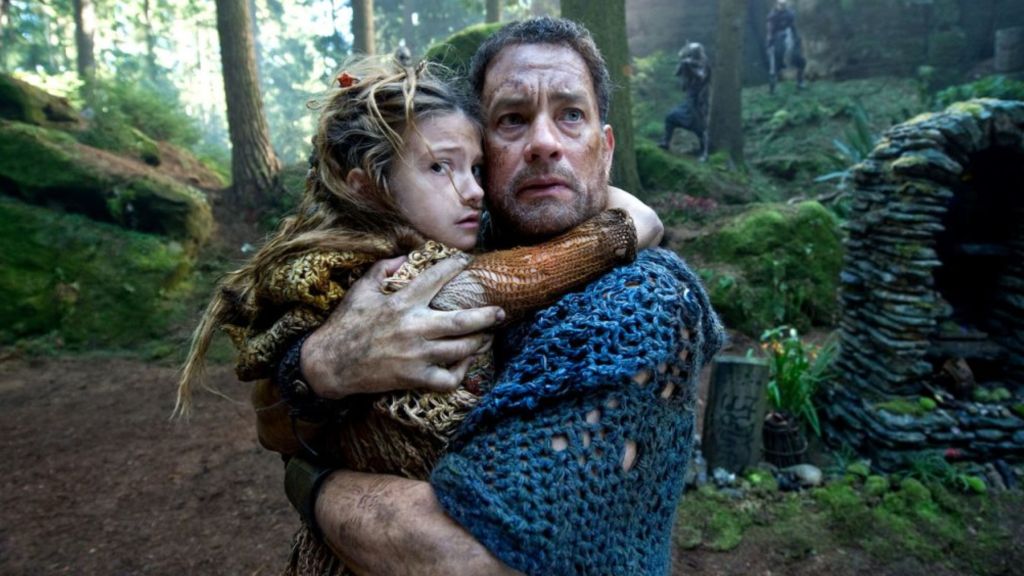
Cloud Atlas sounds exhausting just from its three-hour runtime alone — although, to be fair, many beloved movies are just as long. However, even with its fantastic cast, the fact that it tells six different stories across different periods makes things a little more complicated. The idea is to follow characters ranging from a 19th-century traveler to people living in futuristic societies, with a composer in the ’30s and a journalist in the ’70s in between. The problem is that the connections between these stories aren’t presented in a conventional way. The same actors play several figures, and the editing keeps jumping from one period to another, sometimes cutting away from a scene just when you’re starting to understand what’s going on. So it’s not surprising that a lot of people didn’t enjoy it.
This is the kind of movie that demands patience and attention, and not everyone is willing to give it that. But if you are, you’ll find one of the most interesting sci-fi concepts of its decade. The point of Cloud Atlas is to explore how certain behaviors keep repeating throughout history, even when the characters, societies, and circumstances are totally different. Abuse of power, exploitation, inequality, and the fight for freedom appear in pretty much every timeline, showing that humanity’s progress doesn’t really mean we’ve left the same mistakes behind. It’s not 100% perfect, but its originality and ambition make it worth watching, especially if you’re a sci-fi fan.
2) Mother!
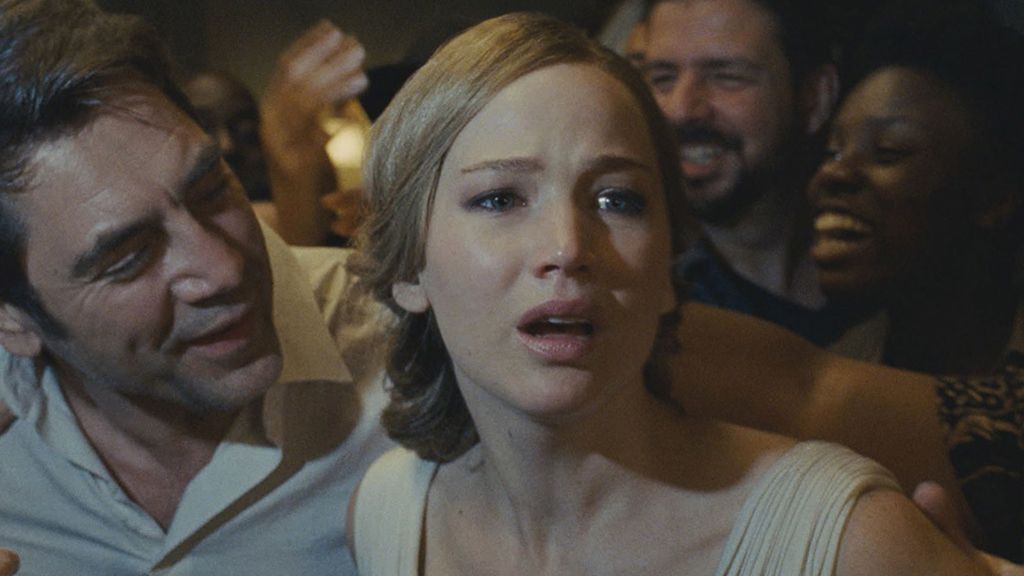
By the end of the 2010s, Mother! came out as a controversial Darren Aronofsky production that was completely torn apart by audiences. It follows a woman (Jennifer Lawrence) who lives with her husband (Javier Bardem) in an isolated house until a few visitors show up, turning her everyday life into a nightmare. But nobody seems to respect the protagonist’s boundaries, and each new meeting makes the situation crazy and uncomfortable. So, what was supposed to be a drama about a couple is actually a psychological horror, complete with graphic violence and a series of events that don’t seem to make any sense. It’s certainly not a film made to please everyone, but rather to provoke a reaction since the intentions behind everything aren’t immediately explained.
However, there’s a reason behind all the chaos, and understanding the metaphor at the heart of the movie can change your experience: the main character represents Mother Nature, while her husband symbolizes God; the house represents the planet, and the visitors stand for humanity and its destructive relationship with the environment. Once you understand this, it’s easier to see the movie is really about exploitation, selfishness, and the way people keep destroying the very things they should be protecting. Mother! is definitely open to interpretation, there’s no getting around that. But the interesting part is being able to discuss all these ideas through a film that takes such an unconventional approach.
1) Sucker Punch
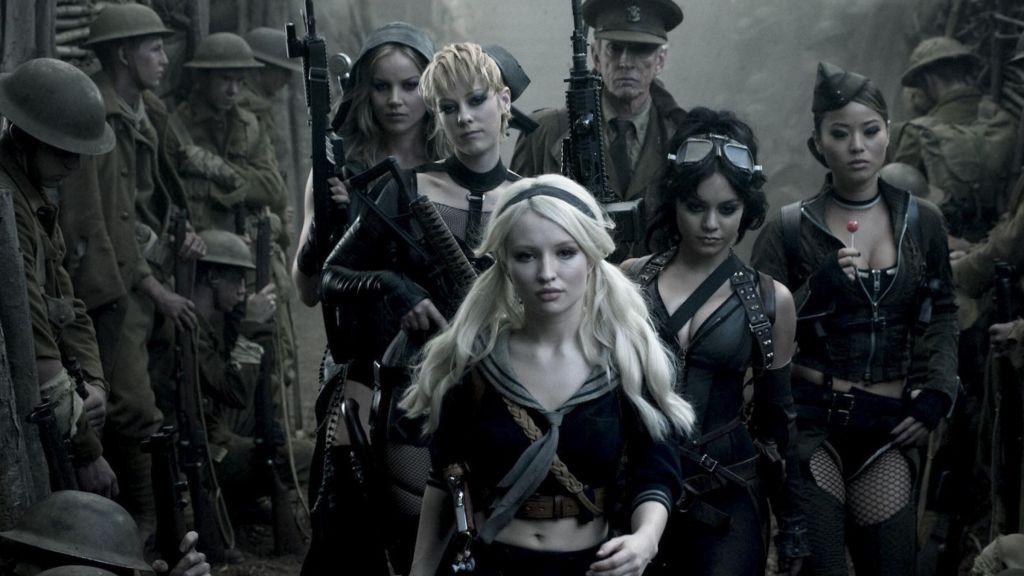
Nobody really remembers Sucker Punch, and when you mention that it’s a Zack Snyder movie, that’s already enough to make some people tune out. But it’s unfair to dismiss it without acknowledging that he was trying to do something different and that the idea behind it is actually interesting. The story follows Babydoll (Emily Browning), a young woman committed to a psychiatric institution by her abusive stepfather, who starts imagining fantasy worlds as a way to escape reality. With other women, she faces all kinds of enemies, including giant samurai warriors, dragons, and armies of robots in sequences that feel like you’re watching a video game. In other words, it’s a fantasy action-adventure, but people weren’t so forgiving because of its confusing script and the lack of character development overall.
Deep down, Sucker Punch is meant to be a story about female empowerment, escapism, and trauma, but not one that explores these themes in much depth. The fantasy worlds Babydoll imagines aren’t there just for the battles and visual effects, because they represent her attempt to regain some control in a situation where she and other women have no freedom. This approach might put some people off, but if you don’t overthink it too much, there’s still plenty to enjoy. The film is full of fantasy, sci-fi, action, and video game influences, all mixed with different versions of well-known songs like “Sweet Dreams (Are Made of This),” and that makes it really entertaining. It’s not a masterpiece, but saying it isn’t fun to watch? That’s a bit much.
Have you watched any of these movies and hated them? Did you ever give them another chance later on? Do you think there’s another film that would fit this list better? We’d love to hear your thoughts in the comments!
More Movies
-
Image courtesy of Marvel