Horror movies have a habit of making us forget where the nightmare started. We remember the creepy little girl, the thing lurking in the basement, or the videotape nobody in their right mind would watch twice. But plenty of those cinematic nightmares began on the page, where a writer had to make readers afraid using nothing but words and their own imaginations. That’s arguably even crueler. At least a movie gives you a soundtrack to warn you when something horrible is about to happen.
Videos by ComicBook.com
Some of these books became classics in their own right. Others inspired films that grew so famous they nearly swallowed their literary origins whole. There’s even one title on this list that grew far beyond what most audiences realize. And books might end up being scarier than the movies in some ways. By focusing on the words and imagining it all in your mind, you might conjure up even more frightening thoughts and imagery—so be careful. So, if you dare to check out any of these books—just remember—reading the book before bed is entirely your own terrible decision.
5) Jaws (1974) — Peter Benchley
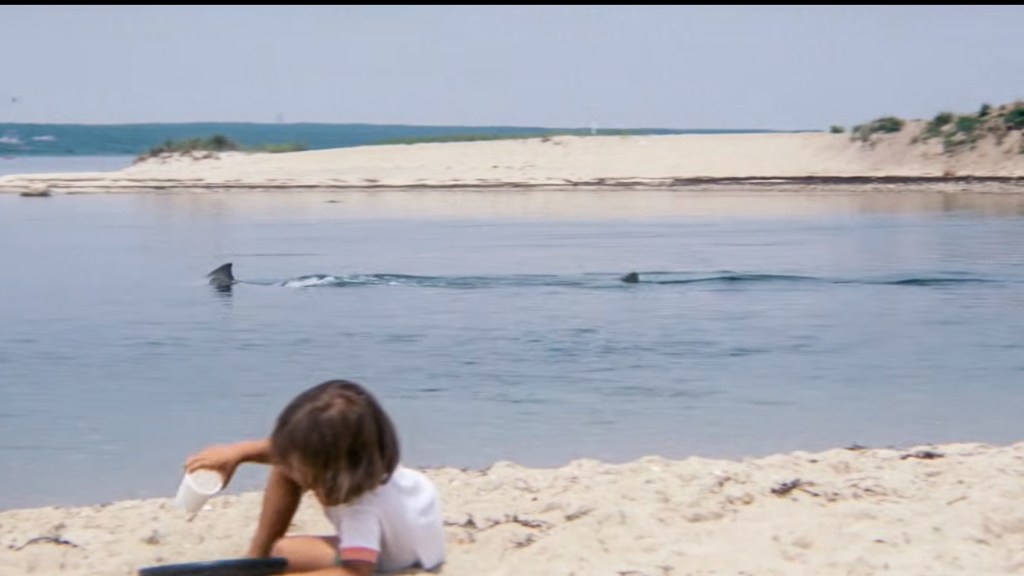
Peter Benchley wrote his novel about the infamous shark before Steven Spielberg brought Jaws to theaters. His 1974 book is about Police Chief Martin Brody, who needs to help stop a great white shark terrorizing Amity, a New England beach town. It’s summer tourist season, so the situation is critical. Brody wants the beaches shut down, of course, but the mayor wants that tourist money. When the book became a bestseller, it caught Hollywood’s attention. The movie would become far more famous than the novel, but the original story is worth revisiting on its own.
Benchley also took an interest in real shark attacks, including the 1916 incidents along the New Jersey coast. The events created public fears about sharks, even though the novel’s plot and characters are fictional. Amity may be fictional, but the fear behind the story wasn’t entirely made up. If you enjoyed the movie or are interested in sharks, this might be the book for you. It would probably be best to avoid reading it anywhere but the beach—or around any type of ocean, for that matter.
4) The Exorcist (1973) — William Peter Blatty
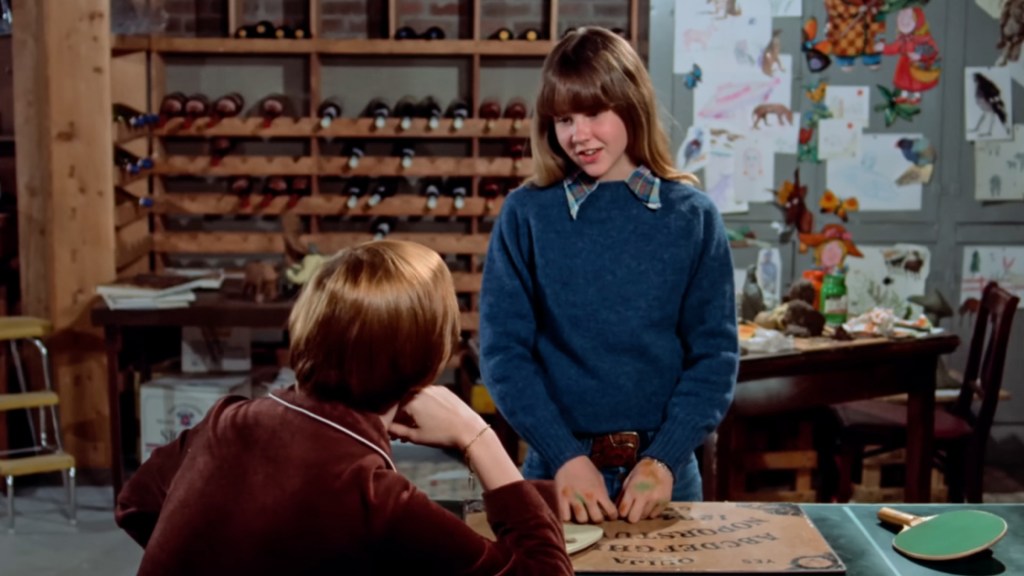
Writer William Peter Blatty had a grim source of inspiration for The Exorcist. He learned about a reported 1949 exorcism involving a young person in Maryland. Accounts of the case vary, but the story stuck with him. Blatty took that unsettling account and built a novel around Regan MacNeil, a twelve-year-old whose strange behavior leaves her mother desperately searching for answers. Doctors investigate, treatments fail, and two priests eventually face the possibility that something demonic is at work.
The book was published in 1971 and definitely creeped readers out. Hollywood soon realized it could make a compelling movie, and it did. People reportedly fainted during screenings, and stories about the film’s supposedly cursed production followed it for years. So, beware its sequels. The novel deserves attention if you want to get into the details, but you know what they say about that. If you do read it, make sure to have a local church nearby…
3) Psycho (1960) — Robert Bloch
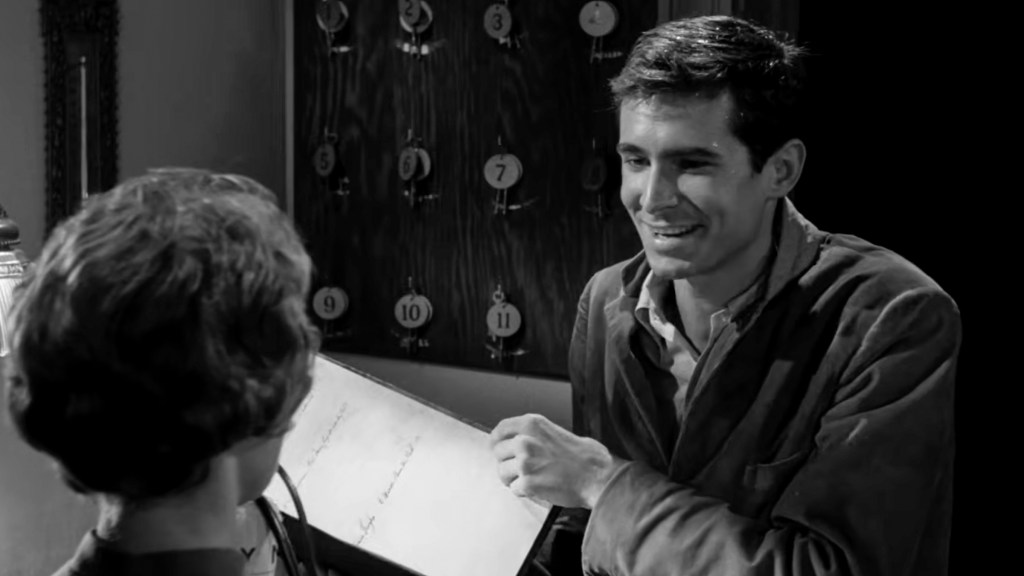
Norman Bates was one of the craziest characters to leap out of a book. Thanks to Robert Bloch’s 1959 novel, Alfred Hitchcock would create a historic film adaptation. There’s still an ongoing attraction at Universal Studios that features the psychotic killer running up to park guests on the guided tour. The story begins with Marion Crane, a woman on the run after stealing money, who stops at the Bates Motel and meets its painfully awkward proprietor. His mother seems to run the place, although she rarely makes a good impression on the guests.
Bloch took loose inspiration from Wisconsin murderer Ed Gein, whose crimes also influenced other horror stories, including The Texas Chain Saw Massacre. Hitchcock bought the rights to Bloch’s novel and famously kept the film’s plot under wraps, even asking theaters not to admit latecomers. Audiences had to experience the whole thing from the beginning. That was a great way to enhance the experience and create more buzz about the film. Bloch’s book remains a nasty, effective thriller in its own right. And if the shower curtain suddenly looks suspicious, well, you know whom to blame.
2) The Silence of the Lambs (1991) — Thomas Harris
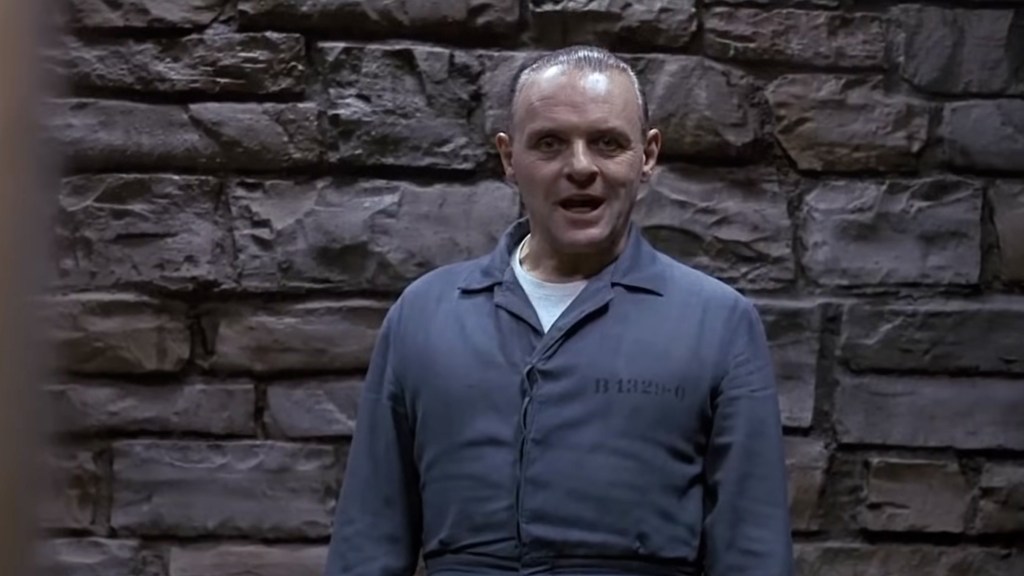
Thomas Harris wrote a serial killer who could discuss fine dining, classical music, and your deepest insecurities. Hannibal Lecter first appeared in Red Dragon, but Harris brought him back in The Silence of the Lambs, published in 1988. FBI trainee Clarice Starling needs information from the imprisoned psychiatrist to catch another killer, Buffalo Bill. Lecter agrees to help, provided Clarice gives him something in return. Their exchanges are the heart of the book.
Jonathan Demme’s film adaptation became only the third movie to win all five major Academy Awards, joining It Happened One Night and One Flew Over the Cuckoo’s Nest. Anthony Hopkins made Lecter iconic, but Harris had already created a character whose menace depended as much on conversation as violence. The novel is for anyone who wants to spend more time with Clarice and her investigation. You’ll just need to be wary as you read it, because Hannibal Lecter will get in your head too…
1) Ring (1991) — Koji Suzuki
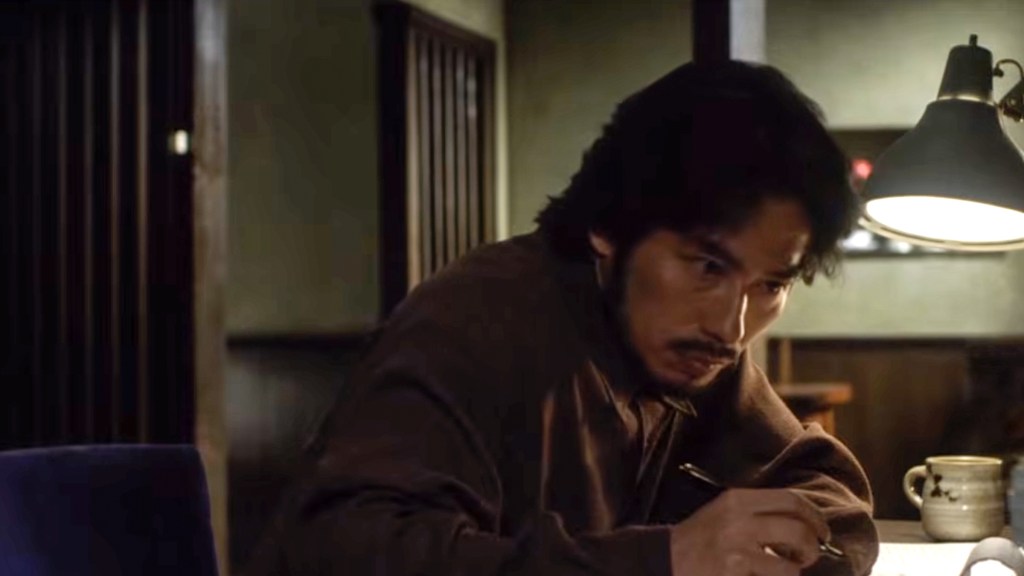
Who would want to see this? A videotape that kills you seven days after you watch it. No elaborate haunted house, no masked killer, and no need to download a suspicious app. Just press play and start counting. Koji Suzuki’s original book appeared in 1991, introducing readers to journalist Kazuyuki Asakawa. Kazuyuki investigates a series of mysterious deaths connected to a video recording. The story became a landmark of Japanese horror. But plenty of people know it through Hideo Nakata’s 1998 film, particularly that unforgettable image of Sadako emerging from a television set. Watch it at your own risk.
The American remake followed in 2002, helping introduce a much wider audience to J-horror. Here’s where things get interesting for franchise fans. Suzuki didn’t stop there. The premise expanded across several novels, taking it into increasingly scary territory. The film series also grew into a sprawling collection of sequels and related entries. The exact count depends on which continuity you’re following. Either way, Ring turned an everyday piece of technology into a horror icon. VHS tapes were already a pain to rewind. Now they came with a death sentence.
Whether you’re into supernatural terror, disturbing psychological thrillers, or stories that make everyday things feel a little less safe, these books are worth a spot on your reading list. Some might surprise you with how much they differ from their famous adaptations, while others offer even more nightmare fuel than you bargained for. Just be careful about which one you pick up before bed.
More Movies
-
Warner Bros. Pictures -

Image Courtesy of Marvel Studios -
Image Courtesy of Paramount Pictures