The Marvel Cinematic Universe has helped grow the superhero genre into one of the most popular and lucrative in modern cinema, but that doesn’t mean that it doesn’t also make mistakes. Though the MCU has become the cornerstone of all live-action Marvel media, there have also been other Marvel movie adaptations, many of which have been incorporated into the MCU via its Multiverse narrative. This has seen a wealth of Marvel movies all grow loosely connected, all adapting the stories and characters of Marvel Comics. However, like all movies, Marvel films occasionally fall foul of their own stories, creating plot holes that become fairly hard to ignore.
Videos by ComicBook.com
The increased scrutiny that the movies of the MCU are under due to their massive popularity has only made their plot holes seem all the more glaring. The fantastical stories that make up the Marvel Universe often require leaps of logic, and when these aren’t handled carefully, certain plot points falter and seem inconsistent. While this rightfully hasn’t hurt the success of Marvel movies, it has provided many confusing and frustrating moments for their audience.
10) Recharging The Iron Man Suit With Normal Electricity – Iron Man 3 (2013)
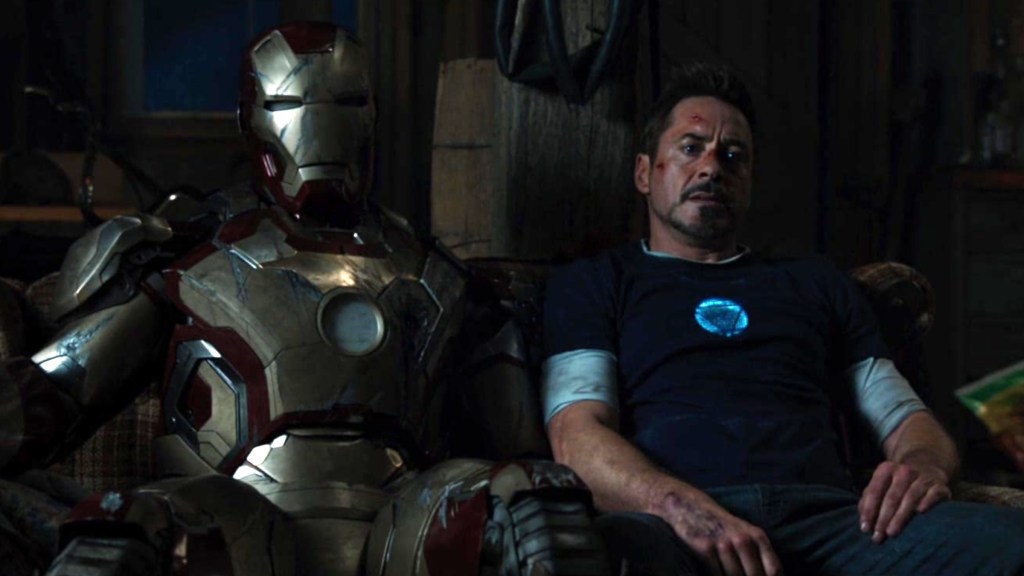
While Iron Man 3 might not feature the MCU’s most exciting Iron Man moments, it does capture an important part of the hero’s story within the franchise. After publicly challenging the villain known as the Mandarin, Tony Stark’s home is destroyed, and he narrowly escapes. The Battle of New York was also shown to have had an effect on Stark, prompting anxiety attacks which combined with the Mandarin’s retaliation, led to Stark being stranded in a small town in Tennessee with his armor severely damaged.
One Iron Man movie mistake that still frustrates fans is the scene in which Stark repairs his armor in Harley Keener’s garage. When it is explained that the suit is being recharged, it’s shown that Stark has rigged it up to a power source in the garage, and that JARVIS doesn’t believe it’ll sufficiently recharge the armor. However, Stark has an arc reactor in his chest, which is capable of producing far more energy than he needs. Assuming Stark sat beside his armor for a few hours, it’s reasonable to assume that he could have charged it that way, making the whole delay in the suit’s recovery a needless plot hole.
9) How Pym Particles Work – Ant-Man (2015)
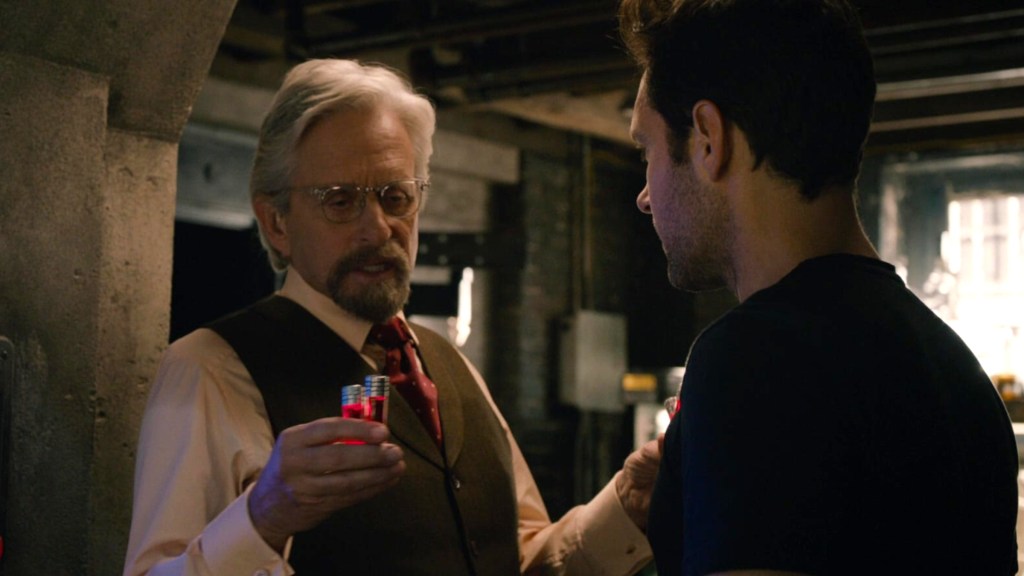
Ant-Man introduced a much-anticipated hero into the MCU, albeit not in the way that many fans expected. The franchise’s main iteration of the hero was actually the second to don the mantle, inheriting the suit from its creator, Hank Pym. Scott Lang meets Hank Pym – one of the MCU’s smartest characters – when he steals the Ant-Man suit, and is then recruited to use it in order to prevent Darren Cross from recreating Pym’s secret formula for Pym Particles, which allow the user to alter the size of objects. As part of Lang’s training, Pym explains exactly how the particles work.
One of the key points that Pym explains is that the particles do not alter mass, allowing Ant-Man to retain full strength even when shrunk. However, after establishing this, the MCU repeatedly ignores it in practically every subsequent Ant-Man scene, including those where he rides on the back of ants, and carries around shrunken tanks and buildings as if they weigh very little. It’s one of the MCU’s most irritating plot holes, largely because it’s one that was created by a simple lack of foresight.

8) Electro Knowing Spider-Man’s Identity – Spider-Man: No Way Home (2021)
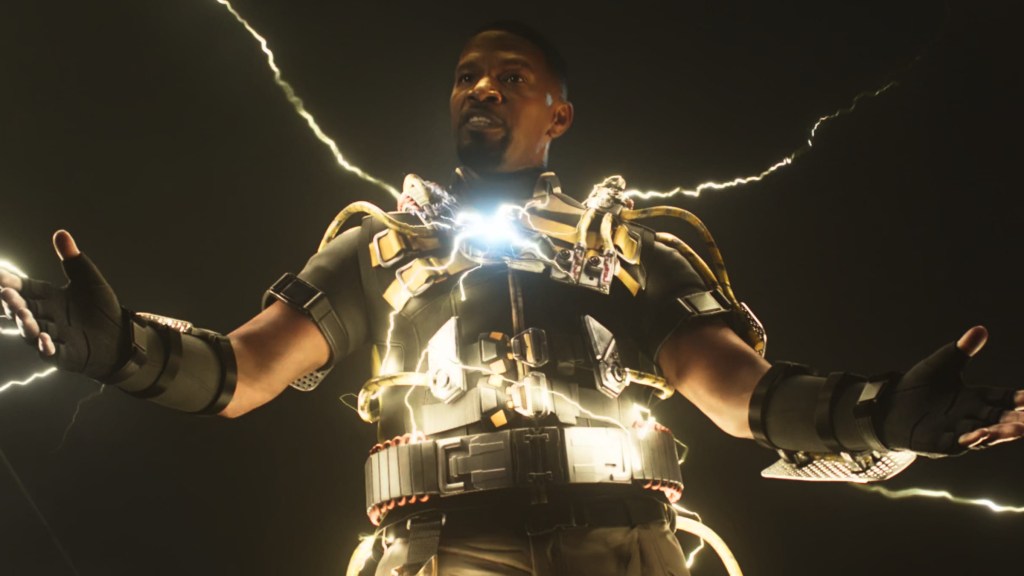
2021 saw the release of Spider-Man: No Way Home, which provided the MCU with one of its most exciting Multiverse stories. Its plot sees Peter Parker inadvertently break open reality, prompting villains from across the Multiverse with knowledge of his secret identity to arrive in his own universe. This allows the MCU to bring back multiple incarnations of villains from previous non-MCU Spider-Man movies: Willem Dafoe’s Green Goblin, Alfred Molina’s Doc Ock, Thomas Haden Church’s Sandman, Rhys Ifans’ Lizard, and Jamie Foxx’s Electro.
One thing that still doesn’t make sense about Spider-Man: No Way Home is how exactly Electro qualified for inclusion. The movie explains that villains with knowledge of Spider-Man’s true identity crossed over, but The Amazing Spider-Man 2 never saw Electro learn about Peter Parker. While many fans have speculated theories that explain the villain’s inclusion, it still seems a glaring and annoying inconsistency that plagues an otherwise brilliantly-written movie.
7) Nick Fury Knowing About Aliens Long Before Thor – Captain Marvel (2019)
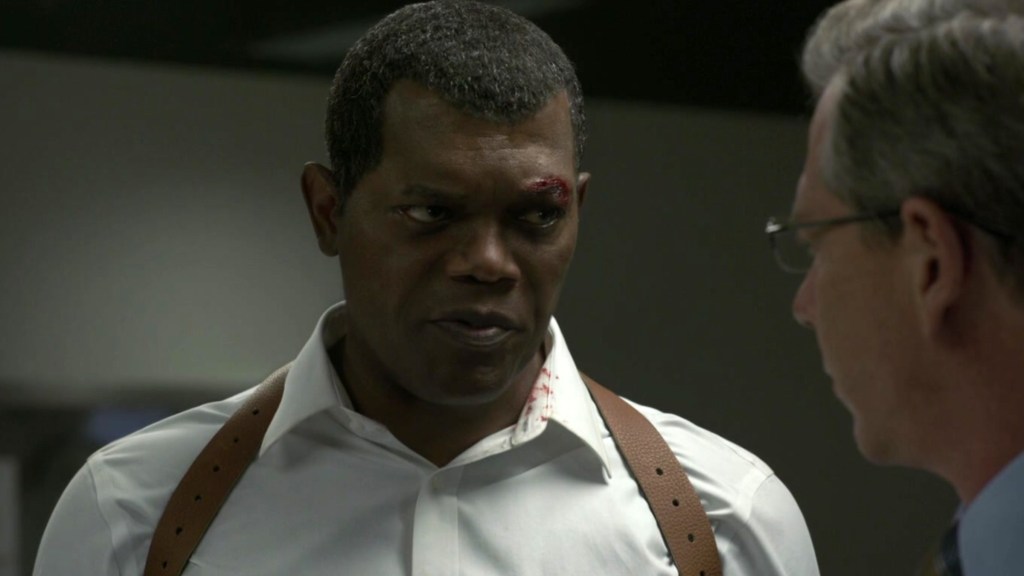
Ever since the very first movie in the MCU, Nick Fury has been one of the franchise’s most important characters. The man responsible for assembling the Avengers was established as one of Earth’s most dedicated protectors, making tough choices for the safety of the planet. This sees him create experimental weaponry using the Tesseract in The Avengers, with the SHIELD director explaining that the arrival of Asgardians on Earth inspired him to step up planetary defence due to the knowledge that powerful alien races exist.
However, 2019’s Captain Marvel told the story of a much younger Nick Fury meeting Carol Danvers in 1995. The movie’s plot saw Fury encounter not just Captain Marvel, but both Skrull and Kree forces, learning of alien races long before the events of 2011’s Thor. This renders the plot point in The Avengers more than a little confusing, as Fury specifically mentions the Asgardians as the main reason he has begun his morally questionable experiments.
6) Thanos Never Should Have Given Loki The Mind Stone – The Avengers (2012)
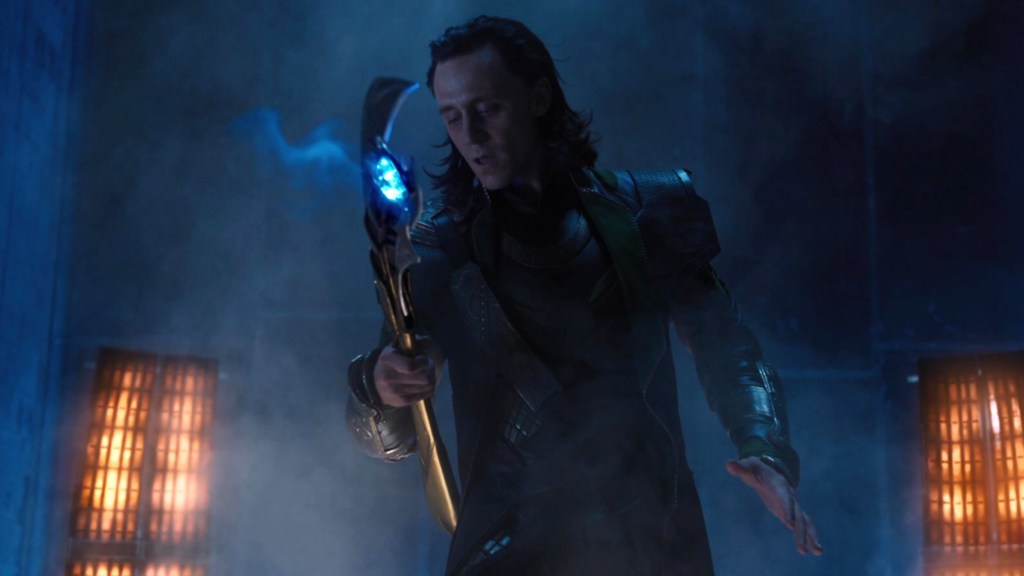
When rewatching Phase 1 of the MCU, a few strange plot points come to light. The Avengers was the crowning jewel of the franchise’s early story, bringing the heroes of the MCU together for the first time to battle a greater threat. Loki’s arrival on Earth was the result of Thanos’ schemes, as the Mad Titan sent Loki to conquer the planet using a powerful scepter. It’s later revealed that the scepter housed the Mind Stone, one of the six Infinity Gems that formed the backbone of the MCU’s Infinity Saga.
In hindsight, Thanos giving Loki the scepter makes no sense. It’s later revealed that Thanos’ long-term plan was to amass the Infinity Stones to eradicate half of all life in the universe, so it seems more than a little strange that he would give away the only Stone in his possession. With no in-universe explanation for Thanos’ actions being offered, it’s a frustratingly inconsistent and nagging plot hole that undermines a key part of the Infinity Saga’s story.
5) The US Army Wanted To Waste Captain America’s Abilities – Captain America: The First Avenger (2011)
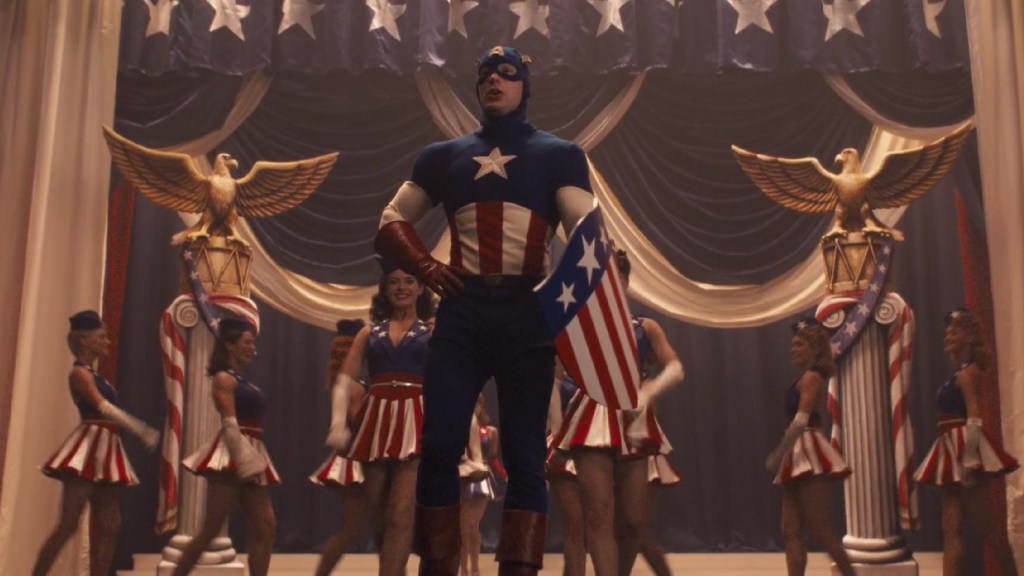
As one of the MCU’s most important heroes, there have been several great Captain America moments in the franchise. One of the most exciting early scenes was Steve Rogers’ transformation, in which he emerges from the successful administration of the super soldier serum and instantly launches into action, chasing down a Hydra agent through the streets of New York, firmly displaying his remarkable abilities. What happens next, however, makes no sense at all from a logical standpoint.
The decision made about Rogers’ new abilities is that he would be best employed as a PR gimmick, performing a musical routine designed to sell war bonds. Literally any other man could have done that job, while Rogers had already proven himself completely unique. Even if the US Army had not opted to deploy him into the field, it would seem more prudent for them to have run tests on him to recreate the formula, but instead, they simply sideline him and seem to forget all about him.
4) Mystique’s Death Causes A Major Paradox – Dark Phoenix (2019)
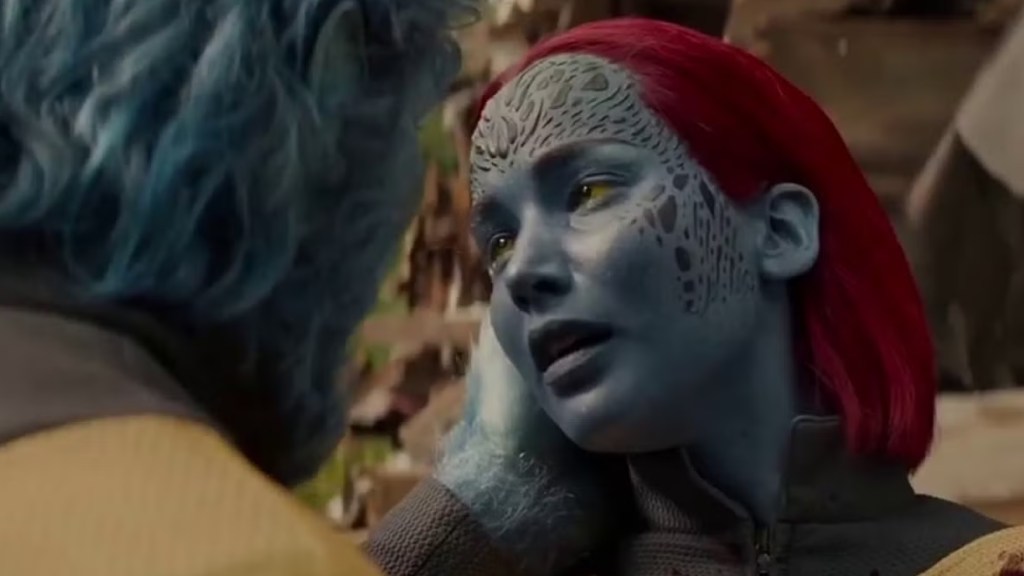
There are many unanswered questions about the X-Men movie franchise that persist even years after it officially ended. Many involve its convoluted timeline, which started with a present-day trilogy, continued with prequel movies, then was complicated by a time-travel movie that firmly abandoned all of the franchise’s narrative coherence. However, one development in Dark Phoenix seems to create a huge paradox, as the movie sees the shocking death of Mystique at the hands of the titular villain.
Mystique was shown to play a major role in the events of the original X-Men trilogy, which was set in the future of the prequel movies. X-Men: Days of Future Past then saw Wolverine travel back from that future to change the past, causing a branch in the timeline which eventually led to Mystique’s death. However, her death in the past makes her involvement in the present-day trilogy seem impossible, which in turn should nullify the events that caused the branching timelines. It’s a potential paradox that’s made much worse by the fact that the franchise never really recovered, meaning that we’ll likely never get any real answers.
3) Cyclops’ Inconsistent Age – The X-Men Franchise
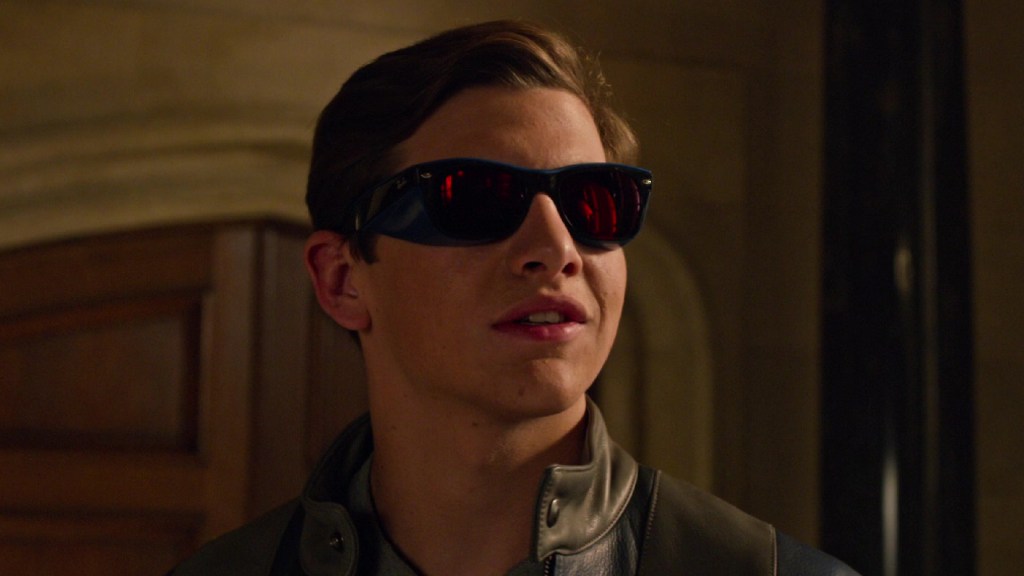
Another way in which the X-Men franchise’s timeline issues caused huge problems was with one of the most iconic members of the superhero team. Cyclops was first introduced in 2000s X-Men, where he was played by James Marsden. Seemingly in his early 30s, Marsden’s Cyclops was a leader of the team and described as one of Xavier’s first students. However, the prequels called that into doubt, and then went on to make Cyclops’ place in the timeline decidedly nonsensical.
The 1960s-set X-Men: First Class tells the story of Xavier’s first team of mutants, which does not feature Cyclops at all, but rather his older brother, Havok. The ’70s setting of X-Men Origins: Wolverine also introduces an adolescent Cyclops, making it impossible to square his age in the original trilogy with the prequel movies. Cyclops’ appearance in the 1980s-set X-Men: Apocalypse establishes him as a young man in his late teens, further muddying the character’s personal timeline. It’s practically impossible to make sense of Cyclops’ age within the franchise, thanks to the frustrating inconsistency with which he was written.
2) Bolivar Trask Was Hunting The Wrong Mutant – X-Men: Days of Future Past (2014)

Time travel is always complex, but it isn’t actually responsible for one X-Men: Days of Future Past plot hole. The movie sees Wolverine travel back in time to prevent the assassination of Bolivar Trask, the creator of the mutant-hunting Sentinels, in order to stop an apocalyptic future from coming to pass. In the past, it is revealed that Trask is hunting Mystique, whose mutation he identifies as the key to his Sentinels becoming perfectly adaptable machines.
Unfortunately, the movie’s whole premise is flawed. Mystique’s shape-shifting abilities are useful, but they aren’t capable of the adaptability that Trask believes he needs. Instead, the mutant that Trask should have been hunting was Darwin, whose ability was to instantly evolve to any situation he found himself in. However, as the franchise had frustratingly killed off Darwin in X-Men: First Class, it seems that the X-Men movies had simply painted themselves into something of a narrative corner, resulting in Days of Future Past‘s glaring plot hole.
1) Peter Parker Immediately Blows His Secret Identity – Spider-Man (2002)

Long before the hero made his MCU debut, Sam Raimi’s Spider-Man movies brought the character to life on the big screen. While 2002’s Spider-Man served as a brilliant origin story for the hero, it did feature a few irritating plot holes that are hard to ignore. One of the worst occurs just after Peter Parker discovers his powers, in a memorable scene in which he accidentally causes multiple problems at school. After catching an entire tray of spilled food with incredible reactions, Peter accidentally uses his webs to throw food at Flash Thompson, then swiftly exits, trailing the tray behind him with webbing. He then bests the school bully in a fight, shocking his classmates.
Considering all of those events happened just days before Spider-Man made his first appearance in New York, it seems unlikely that none of Peter’s fellow students would have taken note. The timing of his bizarre development of combat skills and public use of webbing would surely have led to at least one person deducing that Parker is Spider-Man, though it never seems to happen. It’s a silly plot hole, but it’s glaringly obvious, and becomes more frustrating the more you think about it.
What do you think? Leave a comment below and join the conversation now in the ComicBook Forum!
Most Viewed
-

Image courtesy of Hulu -
Courtesy of TOHO Animation -
Image Courtesy of Madhouse