You know that feeling when you’ve followed a show for years, and suddenly someone you loved dies in a way that just makes everything feel wrong? Yes, that’s not just sad, it’s straight-up frustrating. In a story, some deaths actually work, hit you emotionally, and even improve the show — if they’re done right. But others make you finish the episode wondering if that moment just ruined the entire series and all the time you’ve invested. It’s a decision that has to be thought out, because it can change not just how you watch a show, but its entire legacy. And truthfully, nobody likes feeling cheated or frustrated by a plot choice that clearly wasn’t smart.
Videos by ComicBook.com
Over time, countless characters have died across countless productions, causing plenty of heartbreak for viewers. But this list isn’t exactly about who died in the most tragic or painful way — it’s about who exited in a way that made everyone lose faith and wonder if the story was ever going to be worth it (or worth it in the end). Here are 10 fictional deaths that straight-up ruined entire TV shows.
10) Dean Winchester (Supernatural)
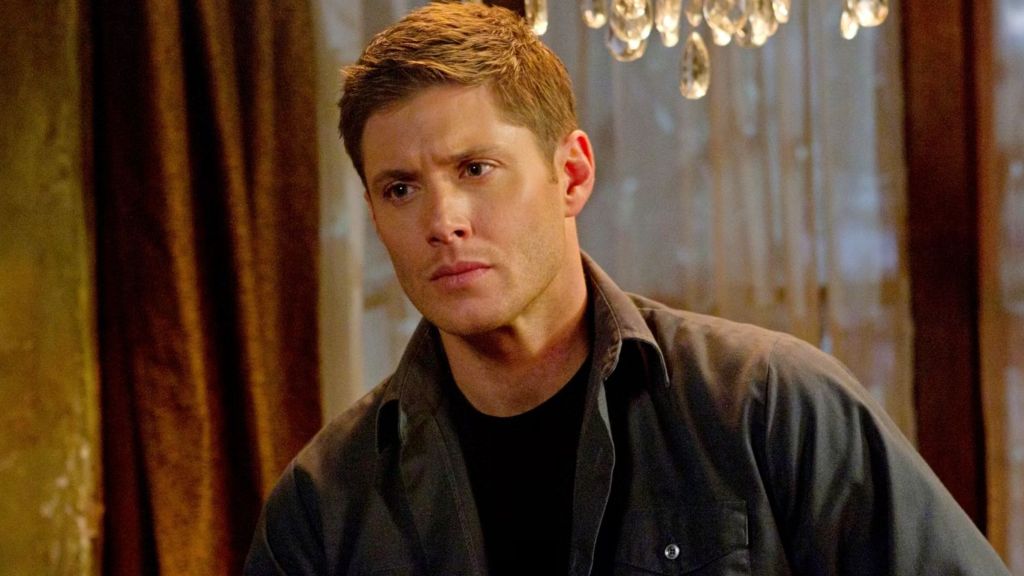
Does Dean’s death at the end of a 15-season journey make sense? Sure, in a way it does, so it didn’t completely destroy Supernatural as a whole. But the real problem is how it happened. After watching him and Sam escape from hell (literally), take down angels, demons, and even God, seeing Dean die on a relatively ordinary hunt just feels small compared to everything that went down over the years. It’s not incoherent; it’s anticlimactic.
The show is still worth watching, of course, since it’s one of the longest-running series on TV. Plus, Dean dies at the very end of Supernatural, so there’s no prolonged drop in quality after the fact. But it’s exactly the kind of thing that leaves you frustrated after finishing all the episodes. You can’t help but think, “All that buildup, all those resurrections, and this is what we get?” When a series finale doesn’t feel worthy of the journey that led there, it leaves your memory of the show a little off.
9) Elena Gilbert (The Vampire Diaries)

Elena didn’t technically die, since she even comes back in the series finale of The Vampire Diaries. And when she steps out of the story, the show doesn’t stop; you can still watch it. But that doesn’t mean the show feels the same — it loses its spark (even though she was a main character that some fans never fully liked). And the real issue isn’t her “death” itself, it’s that the entire show was built around her: the love triangle, the moral center, and all the big decisions.
Without Elena, the story tries to spread the weight across other characters, but there’s an obvious gap: the main engine is gone. The Vampire Diaries had already shown cracks before, but this is when the series really starts to weaken, drifting into a more scattered phase. When the protagonist leaves, interest naturally drops because the plot loses focus, and what used to feel compelling starts to feel like a habit. It’s no wonder the last couple of seasons feel like filler.
8) Derek Shepherd (Grey’s Anatomy)
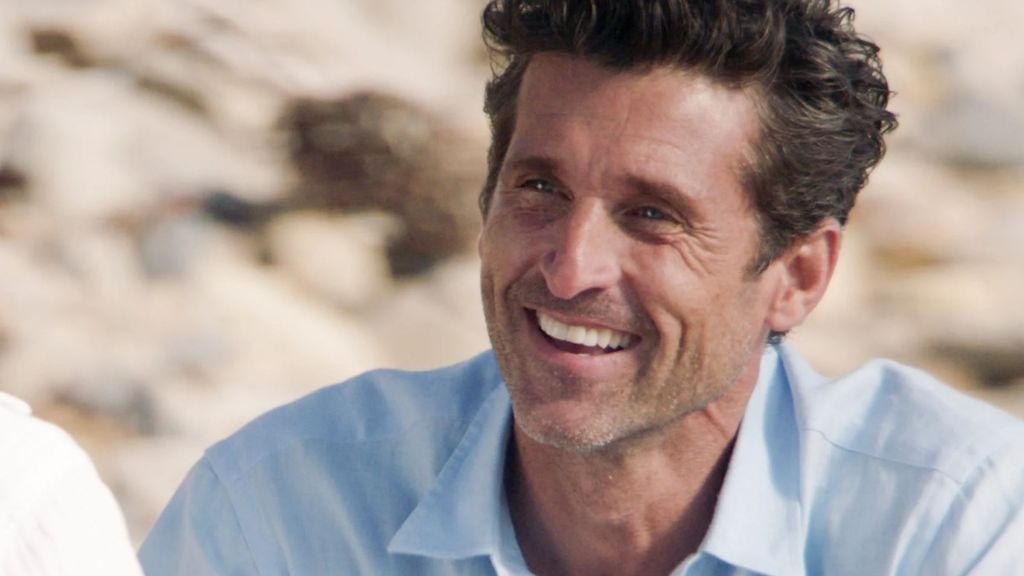
It’s honestly wild that Grey’s Anatomy is still going strong after more than 20 seasons. And over that time, of course, deaths were always going to happen. But even with audiences expecting it, Derek’s death was, for many, the moment the show hit a wall. Why? Because he wasn’t just the protagonist’s husband, but also half the identity of the series. There’s no exaggeration in saying that the dynamic between him and Meredith carried the show for years, helping shape it into what it became.
So what happens when you take Derek out of the equation? You shake the very backbone of the show. Sure, the production kept going, and new characters kept coming in to fill the gaps left by all the deaths and exits. But that’s exactly when Grey’s Anatomy stopped feeling like the can’t-miss series it once was, and became something you mostly keep watching out of habit, curious about what will happen next. It just doesn’t have that long-term excitement anymore.
7) Logan Echolls (Veronica Mars)
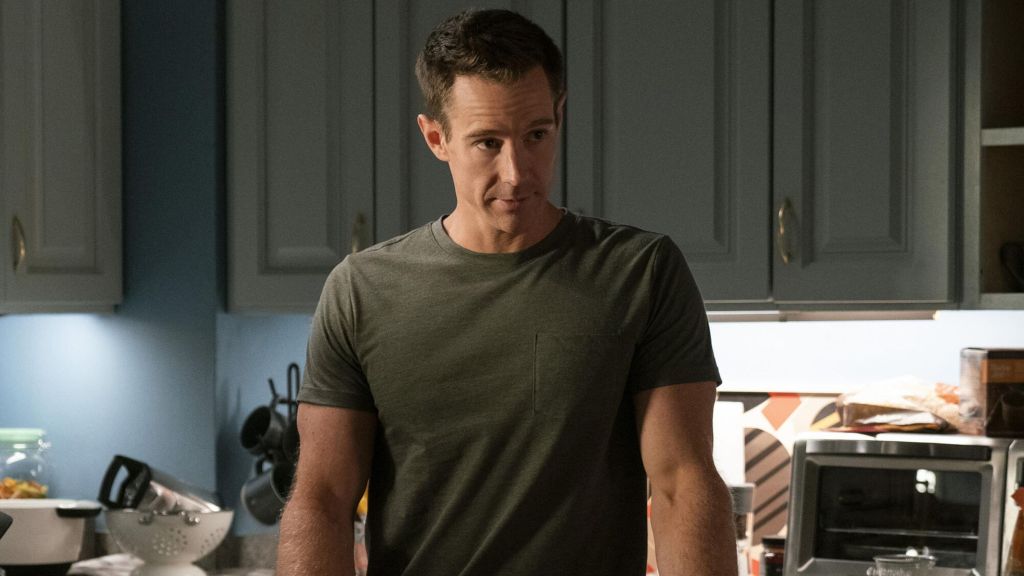
Who remembers Veronica Mars? A cult classic and fan favorite, right? It even got a revival because of that. But it’s also one of those shows that got hit hard by a death. The thing that made the series so beloved was a mix of sharp mystery and real emotional investment, especially the dynamic between Veronica and Logan. Everyone knew that. And what happened with the revival? It’s almost a case study in how to completely alienate your own audience.
The show comes back after years, promising maturity, evolution, and a totally realized relationship between Veronica and Logan — and then just ruins it. The official reasoning was that it would “free” Veronica for new, more independent storylines. But the audience had already bought into this version of her without needing to destroy her relationship. Veronica has always been independently capable, so killing Logan doesn’t add depth; it just removes the nostalgic layer the revival depended on. Instead of opening the door for new seasons, Veronica Mars effectively slammed it shut.
6) Tara Thornton (True Blood)
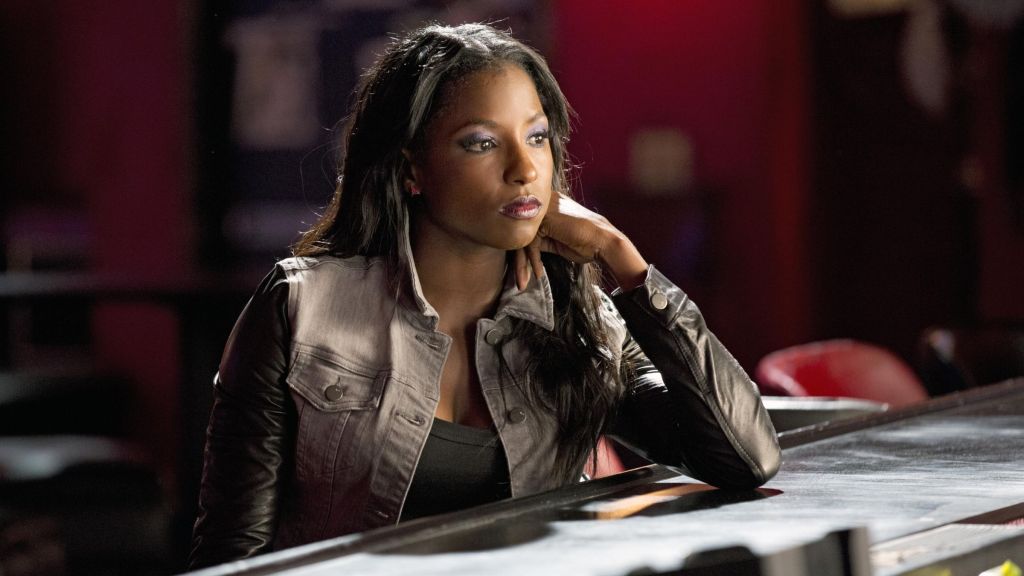
The finale of True Blood didn’t sit well with pretty much anyone, and a big part of that comes down to how messy the show got with its storylines. One of the most glaring examples is Tara’s death. She was a major character who had been evolving since the first season, going from victim to someone stronger, more complex, and even becoming a vampire. And nothing about that was wrong; in fact, it was great character development. But the show clearly didn’t handle it with the care it deserved.
Tara’s death happens way too early in an arc with real potential, and it mostly occurs off-screen, like she was just some background character who didn’t matter. The dramatic weight is handled superficially, with no real build-up, farewell, or consequences that could have shifted the course of True Blood. She was basically written off to clear space in the plot. And while other characters got similar treatment, with Tara, it hit fans like a punch to the gut. From that point on, the show started to spiral out of control.
5) Tracy McConnell (How I Met Your Mother)

This is a death that made a lot of people look back at the entire series differently. Imagine running a show for 9 seasons, building stories toward a resolution everyone’s been waiting for, only to find out that the whole thing was just a setup for a decision that doesn’t match the story at all. The very title, How I Met Your Mother, centers on Tracy, the mother of Ted’s kids. When she finally shows up, she’s charming, funny, and has real chemistry with the protagonist — and then she dies. Not entirely shocking, but in the end, she’s just a narrative tool; a distraction.
How I Met Your Mother spent almost a decade showing that this was the story of how Ted met the love of his life. But Tracy’s death ends up being just a way to bring Robin back into the equation, which leaves the audience feeling cheated. Could it have worked as a plot twist? Sure, but it was poorly executed, and that frustration hits right away. Nearly ten years promising one thing, only to deliver something else. That feeling of wasted time? That’s exactly what this death gave fans.
4) Bellamy Blake (The 100)
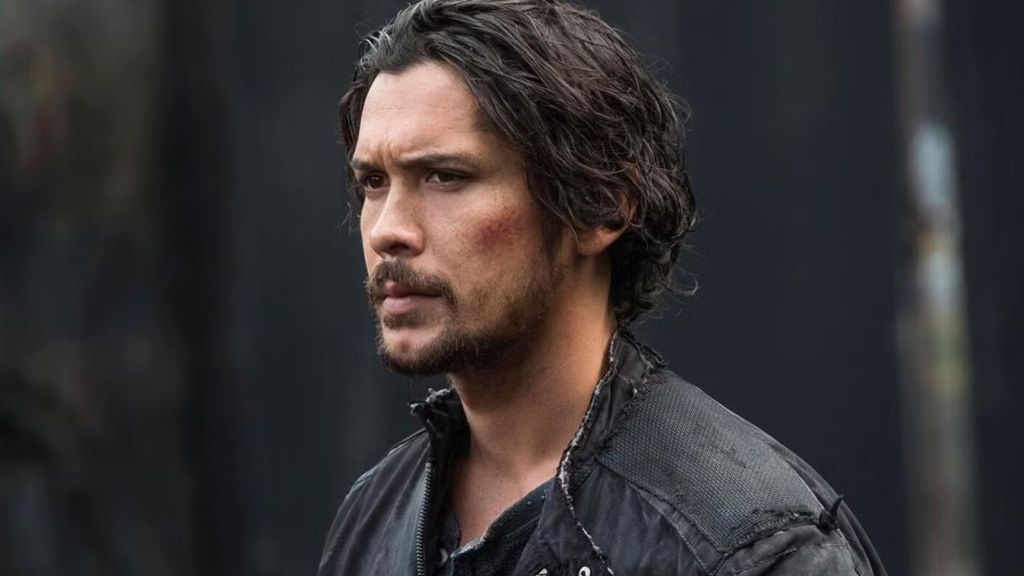
When it comes to The 100 and painful deaths, most people immediately think of Lexa. But when we’re talking about a death that actually messed up the entire show, Bellamy’s is the one that sticks out. This is another case of a main character biting the dust, but the worst part? It happens at the very end of the series, with zero respect for the audience. His journey was one of the story’s pillars: he was the balance between impulsiveness and morality for the group. The production built that over many seasons, and then, in the finale, he’s just gone — and at the hands of Clarke, the person who mattered most to him (and vice versa).
Bellamy’s death in the final season makes it feel like his entire arc was wasted, especially because it doesn’t come as a natural consequence of his story. It’s a shortcut. The 100 has always played with complex ideas about power, survival, and ethics, and taking him out at the last minute makes a once-cohesive story suddenly feel shallow, disconnected from the emotional investment that won the show its fans. It’s an extremely forced decision, and it shows.
3) Tara Maclay (Buffy The Vampire Slayer)
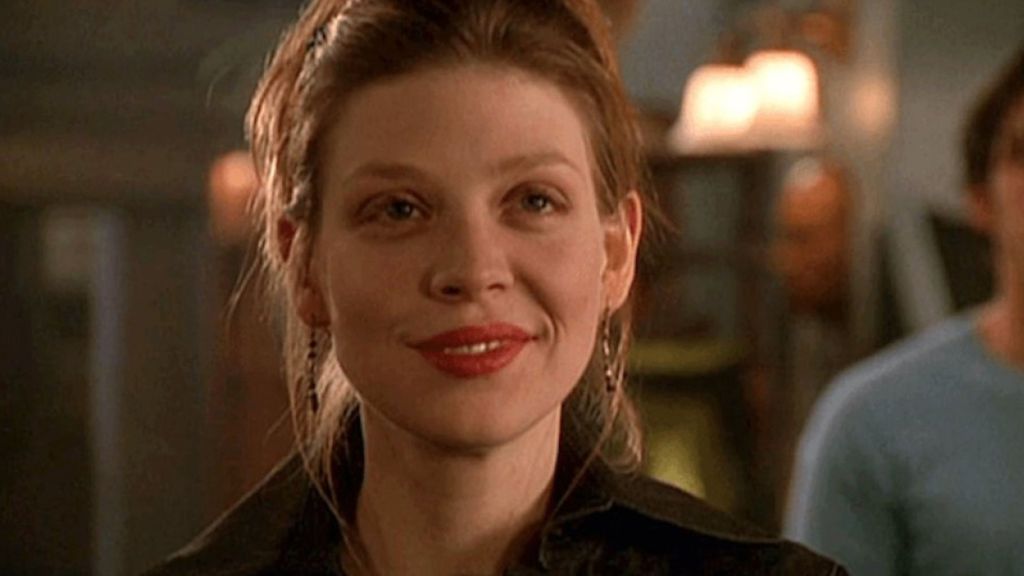
When a character’s death still sparks negative reactions years later, you know it wasn’t the smartest move. Buffy the Vampire Slayer is a classic, but it stumbled when it decided to take Tara out of the story — and there really wasn’t a good reason for it. She was a major character with a solid arc, a rich relationship with Willow, and real growth potential. And yet she dies unexpectedly just to push someone else’s storyline forward, not her own. Plus, the impact goes beyond the episode itself.
Even though the show stayed strong overall, Tara’s death left a hole in the series’ legacy, especially regarding representation (which mattered even more at the time). It’s one of the most careless choices TV has ever made, breaking audience trust in the process. It left people feeling like, at that point, anything could happen, and nothing would surprise them anymore. Buffy the Vampire Slayer had its flaws like any show, but it mostly shone thanks to its strengths. Tara’s fate, though, was the exception (at least, the showrunner later admitted regret over that decision).
2) Daenerys Targaryen (Game of Thrones)
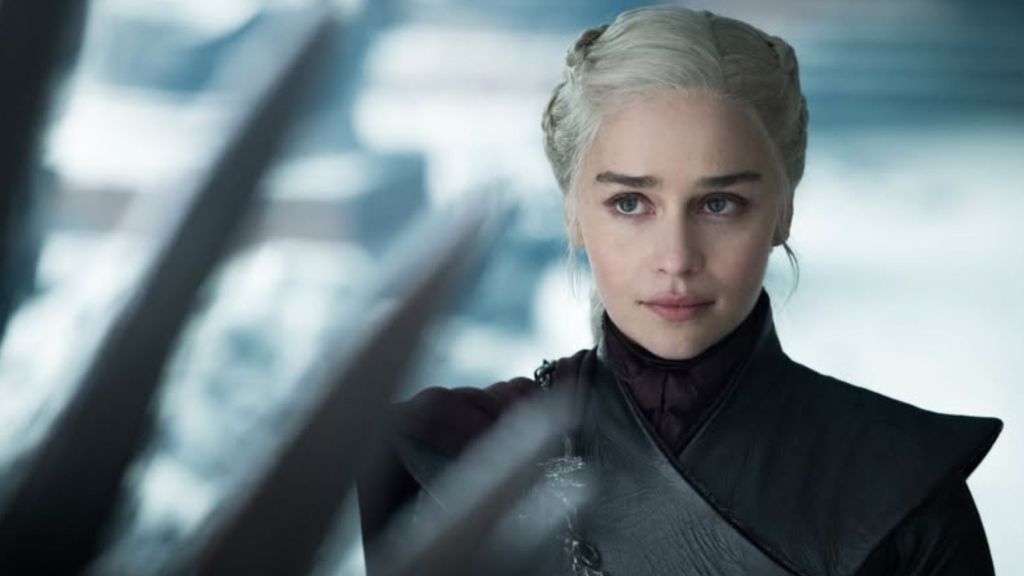
Game of Thrones is still a fantasy cornerstone, no doubt. But its controversial ending is something fans aren’t likely to forget anytime soon. But the mistake wasn’t just portraying Daenerys as crazy — it was her death. Not because characters dying is unusual (the show is famous for it), but because the path leading there felt rushed. Her turn into a villain happens too fast, and the finale comes before most people can even accept the change.
Daenerys’ death became the symbol of Game of Thrones‘ decline. Her arc, which once made her a favorite for so many, suddenly feels wasted. She grew and evolved almost flawlessly from the very beginning, only to end in a way that might have been intended as a phenomenal plot twist, but instead, it backfired. When the audience spends years following a story and sees its ending ignore details that were carefully built up, trust is broken, and there’s no going back.
1) Glenn Rhee (The Walking Dead)
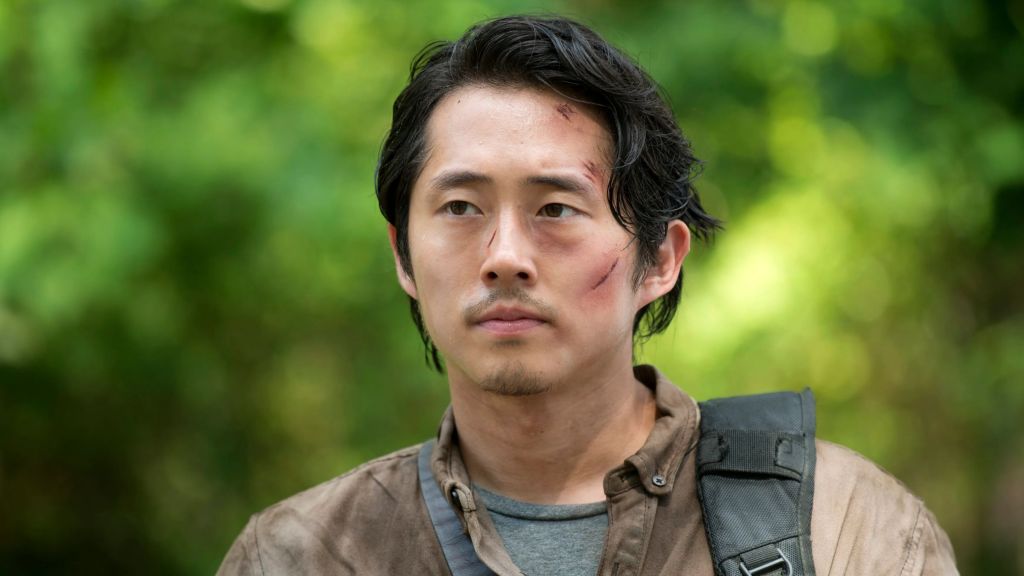
The Walking Dead is another show famous for its shocking deaths — though in a zombie series, that’s kind of expected. But Glenn’s violent death was a major turning point, divisive both with the audience and the story itself, which was about to enter a very different phase. Sure, it mirrors the comics it’s based on, but the way it happens is clearly designed to shock (and it’s also drawn out way too long). The intent was understandable: to show just how dangerous Negan is. But in doing so, it ruined everything.
The Walking Dead has had its ups and downs, but for a long time, it had the trust and loyalty of its fans. This moment, though, kind of destroyed that. Glenn was the human heart of the series, and his death completely shifts the tone. The scene is so brutal and exhausting that it makes it hard to even stomach watching the next episodes. It was traumatic, and even today, thinking about it still hits hard.
What do you think? Leave a comment below and join the conversation now in the ComicBook Forum!
Most Viewed
-

Courtesy of Crunchyroll