The nature of television means that some of its stories stretch on over a period of several years. In fact, in some cases, TV shows can even span decades, making it imperative that they adapt as they continue to grow and deliver stories to eager fans. Some of the best TV shows are those that manage to shift to match the expectations of their audience, sometimes requiring tonal or narrative changes in order to keep their story moving. While this is a natural part of episodic storytelling, getting these changes just right can prove the difference between a show’s survival and its abrupt, unceremonious cancellation. Worst of all, sometimes the necessary changes are pretty drastic.
Videos by ComicBook.com
In each of the following cases, TV shows had to change their main character midway through their respective runs. Some were expected changes thanks to established source material, while others are examples of actors departing and shows working to keep their story alive. TV show protagonists are often considered the main voice of their show’s story, so being able to completely shift perspective in the middle of their stories is no easy feat, but one that these shows didn’t just accomplish: they were actually better off for having done so.
3) The Last of Us
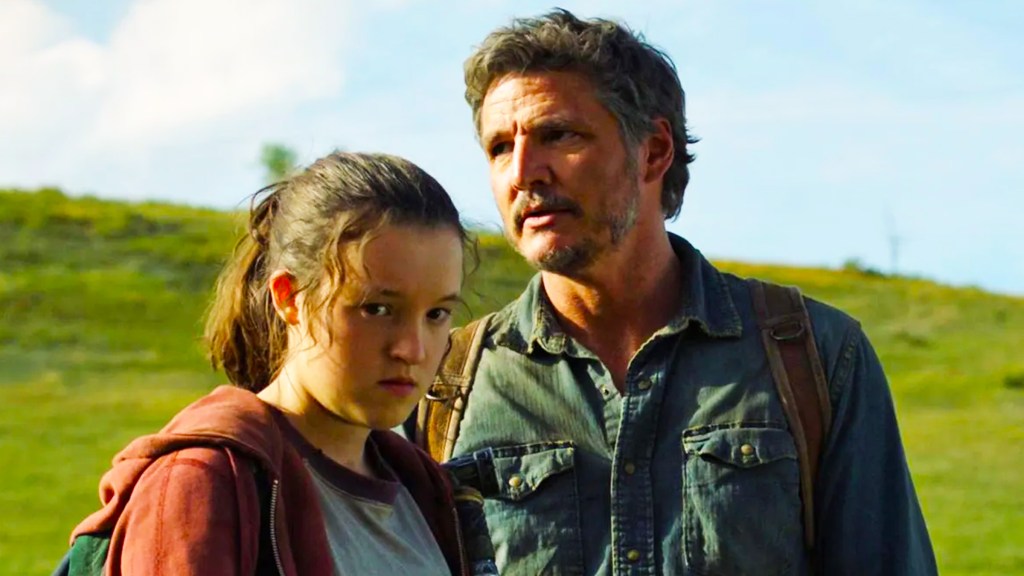
As well as delivering one of the most engaging post-apocalyptic TV shows of all time, The Last of Us also adapted its video game source material with a level of quality that few fans expected. Its first season starred Pedro Pascal as Joel, a man who is tasked with escorting a young girl to a resistance group by braving a dangerous journey across a US filled with fungus-infected zombies. The second season switched protagonists to instead tell Ellie’s story, making Bella Ramsey’s character the focus and shockingly killing Joel partway through season 2. The shift was a natural one, as it took its cues directly from the games, which did the same thing. However, it’s also a change that added further depth to the show and helped the relationship between its characters feel even more real, offering fans multiple perspectives on its story in a way that wouldn’t have been possible had Joel continued on as The Last of Us‘ hero.
2) Misfits
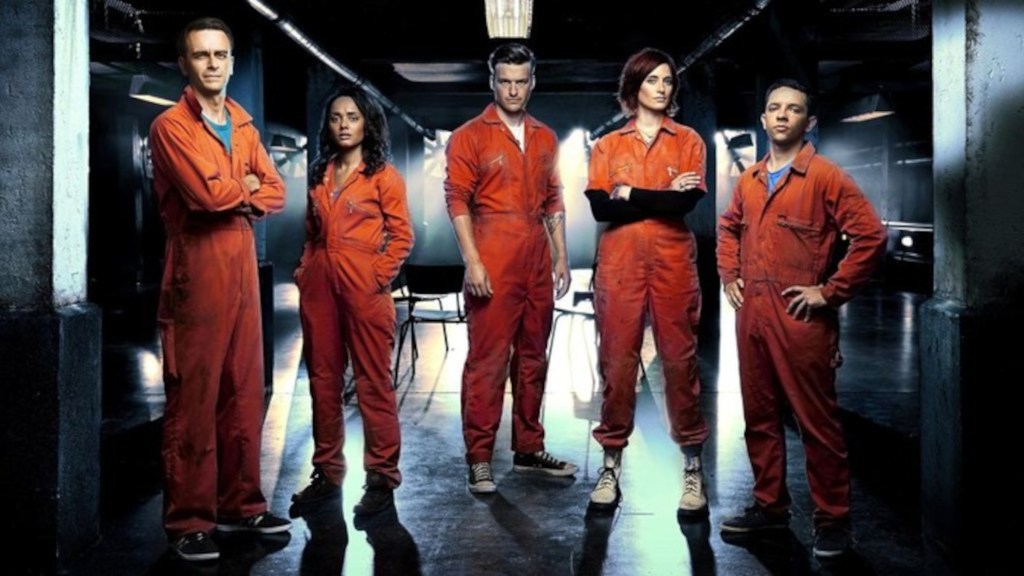
There have been many great live-action superhero TV shows, but very few that feel as unique as Misfits. The British show followed a group of rebellious teens who develop bizarre superpowers after being caught in a storm, with later seasons introducing new members into their group. While it was mostly an ensemble piece, the first seasons of the show made Robert Sheehan’s Nathan its default protagonist, largely because his larger-than-life personality cemented him as a breakout star. When Sheehan departed, Joseph Gilgun’s Rudy instead became the show’s leading man, and he remained even after the rest of the original cast departed, overseeing an all-new roster of characters. While the show was undeniably different after the cast change, it was actually far better with Gilgun as its protagonist. Its worldbuilding was excellent, and Rudy proved a more likable character than Nathan, so Misfits was subtly improved by its drastic internal character shift.
1) Game of Thrones
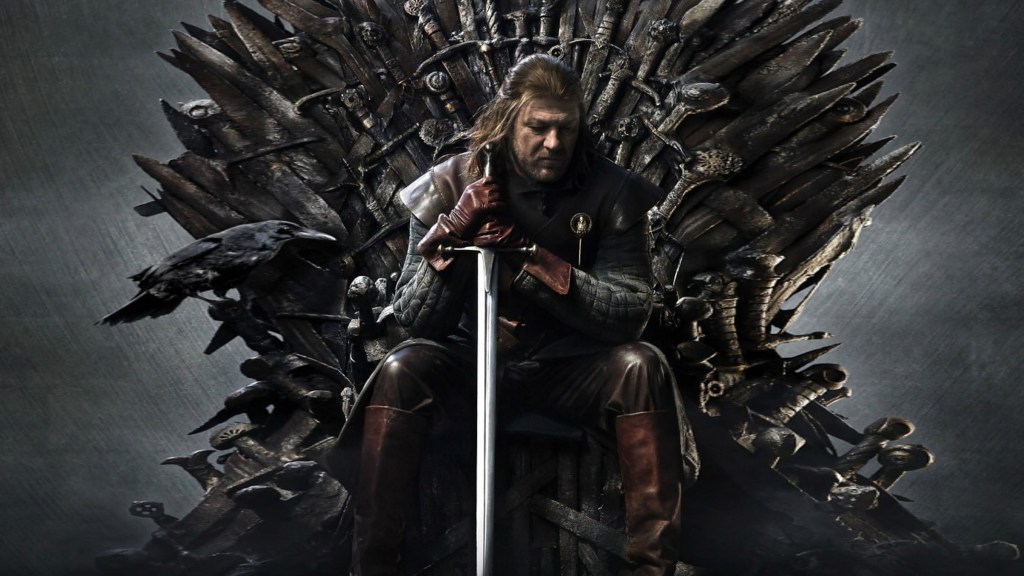
Often celebrated as one of the best fantasy TV shows of all time, Game of Thrones cemented itself as a global phenomenon in its eight seasons on the air. The HBO series adapted the A Song of Ice and Fire novels by George R. R. Martin, delivering a sprawling fantasy epic that chronicled the battle for the throne of Westeros. Its first season primarily focused on Sean Bean’s Ned Stark as he becomes reluctantly involved in the intrigues of the realm, but his death at the end of season 1 prompted a change just as it did in the books. After Ned’s death, the show instead focuses more on the stories of Daenerys Targaryen and Jon Snow, with the pair arguably becoming its dual protagonists. While the show was always going in that direction in compliance with the books’ story, it’s hard to deny that Game of Thrones wasn’t better once it had left Ned Stark’s story behind to better explore other characters.
More TV Shows
-
Image Courtesy of DC Comics