Sci-fi television can get bleak. Science fiction as a genre has long served as an outlet for social commentary on the present moment, using speculative elements to avoid feeling too on the nose. Many sci-fi genre shows thus have long narrative arcs around war, environmental catastrophe, and societal collapse. But for every show that inevitably veers towards the negative, there are shows that maintain hope about society and show us a future that can actually be great.
Videos by ComicBook.com
5. Roswell

Based on the Roswell High young adult books, Roswell hit television screens in 1999. The show originally veered closer to teen drama, albeit with the science fiction element of aliens and superpowers, with a focus on romances between humans and aliens. With the threat of cancellation due to low ratings, the show brought in writer Ronald D. Moore as showrunner and developed more lore for the sci-fi aspects of the show.
Roswell didn’t shy away from darker themes — the impetus for the show’s plot revolves around main character Liz getting shot at the diner where she works — but its conclusion couldn’t help but affirm an overarching optimism. Liz gets a vision of a dark future but leaves Roswell to avoid it, and succeeds. Romantic leads Liz and Max get married, and the last narration of the series is Liz proclaiming to the audience that she is happy.
4. Lexx

Starting out in 1997 as four made-for-TV films, Lexx changed formats and became a TV show in its “second season”. The show was more interested in comedy, tired of stereotypical sci-fi and its seriousness. The show opted for as little technobabble as possible and leaned more towards magic than science. Lexx also deviated from sci-fi’s typical look. Unlike the sleek, futuristic aesthetic usually associated with the genre, Lexx favored organic, fleshy materials and wanted to emphasize a chaotic world where nothing matched because it was made by different people.
The actual plot of the show focused on a mismatched group of fugitives suddenly in control of a spaceship. It ran for four seasons with a total of 61 episodes, and followed the ensemble through two universes and a variety of different planets. While a serialized plot beyond many members of the makeshift crew wanting to go home would later materialize, the show never completely lost the adventure-of-the-week format. Even its ending hinted at more adventures to come, albeit now in Little Lexx, an offspring of the organic spaceship that the travelers spend the series in.
3. Farscape
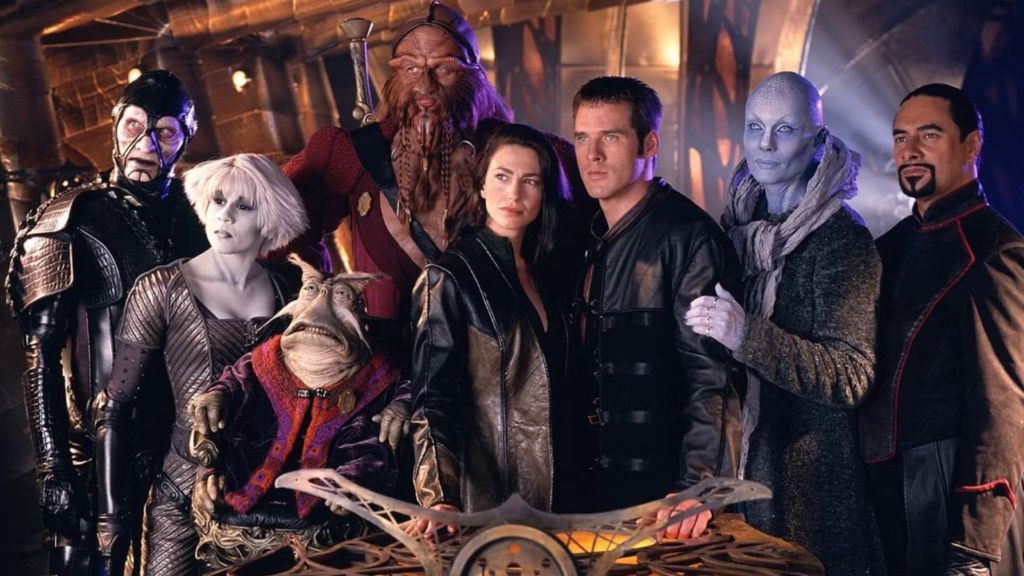
In the same vein as Lexx, Farscape was yet another show about fugitives residing in a living ship. In Farscape, the ship was referred to as Moya, and similar to Lexx, the show initially utilized unconnected episodes and wanted to distance itself from the sci-fi of the time. Albeit a spaceship show similar to Star Trek, Farscape sought to be different from the formulas that came to define science fiction franchises. So, instead, the characters were quippy, frequently riffing on pop culture years before Firefly would do the same.
As a spaceship show, Farscape explored the galaxy, hurling its protagonists through wormholes and onto the run. The show pondered unlikely alliances, scientific advances, and affirmed that even with corrupt governments and higher powers, heroes could still emerge victorious. Across four seasons and a miniseries titled The Peacekeeper Wars, Farscape consistently entertained viewers and even served as inspiration for James Gunn’s Guardians of the Galaxy.
2. Futurama
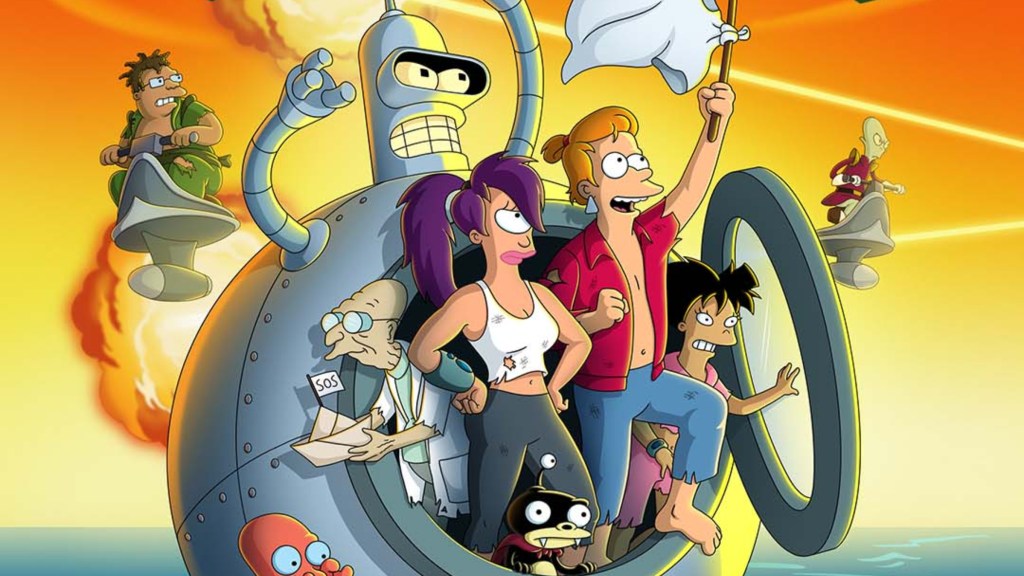
While it may be questionable to call a television series a cult classic if it’s still technically running, Futurama has definitely earned its place on this list. From the creative mind that brought television The Simpsons, Futurama found similar levels of success, albeit with more breaks than The Simpsons. Futurama ran from 1999 to 2003, 2008-2013, and its most recent iteration has run since 2023.
Creator Matt Groening took a staple of comedy, the workplace sitcom, and reinvented it by setting it in the future. Futurama follows the cryogenically frozen Phillip J. Fry as he wakes up in the future and finds work at Planet Express, an interplanetary delivery company. Set 1,000 years in the future, the show gives audiences a look at how much the future may be different while staying the same. Fry finds himself among non-conformist coworkers against a backdrop of technological advances. Futurama has heads kept alive in jars, an even more immersive internet, and self-aware robots driving global warming.
But Futurama is never bleak. From its conception, it has served audiences with goofy comedy. It combines low and high culture and doesn’t shy away from referencing the science fiction that precedes it with Star Trek soundbites and a The Twilight Zone parody called The Scary Door.
1. Star Trek: Voyager

When looking for futuristic optimism, the best bet is usually a Star Trek show. As the fifth series in the Star Trek franchise, Voyager often gets a bad rap. It isn’t like the shows that came before it, and while it is the first show to have a female commanding officer, it does little to deconstruct the gender roles around such a position.
In terms of the 1990s, the decision to opt for Voyager instead of Next Generation or Deep Space Nine is down to Voyager’s overwhelming theme of reconciliation. While Deep Space Nine set up the Maquis as recurring antagonists not to be worked with, Voyager has them become part of the crew. Chatoway, leader of his group of the Maquis, becomes second in command to Janeway, with multiple members of his group taking on Starfleet positions. In addition to the blended crew, the show explores what it means to be human and how those who don’t act in ways the norm expects should still be granted greater autonomy. Seven of Nine and the Medical Hologram Doctor exemplify this, much like Data did in The Next Generation.
What optimistic sci-fi shows did we miss? Let us know in the comments!