Science fiction has been one of the most consistently popular genres in fiction for generations, establishing itself in almost every conceivable medium as one with the ability to grip and entertain audiences of all ages. The small screen, in particular, has seen sci-fi TV shows that changed the world, with the genre’s best stories challenging perspectives and highlighting societal issues in a way that speaks to the general population. Managing to both appeal to a wide audience and still convey deeper themes and ideas is a hallmark of the sci-fi genre, and a big part of why exactly science fiction has earned such a lasting place in pop culture.
Videos by ComicBook.com
The 2000s marked the beginning of a new millennium, which seemed to bring with it a wave of fresh new sci-fi. The decade saw multiple sci-fi TV shows that were masterpieces come along and redefine audiences’ ideas about what the genre could do, which coincided perfectly with the world’s first steps into the 21st century. There’s no decade quite like the 2000s when it comes to sci-fi, and the following shows prove it.
5) Firefly
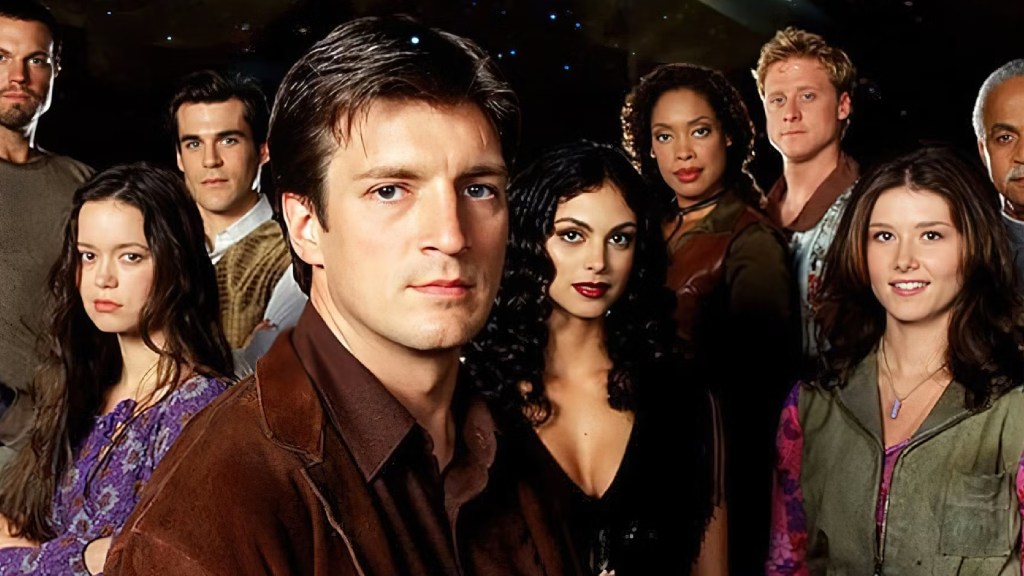
Having since become a cult sci-fi TV show, Firefly is best-remembered for its criminally short run and unfair cancellation. However short-lived it may have been, it’s a great example of what made the 2000s an incredible decade for sci-fi TV. In only 14 episodes, Firefly managed to cement its place as one of the best-loved sci-fi shows in the history of the genre.
Firefly‘s combination of Western themes with high-concept science fiction was unique and daring, and set the 2000s off with an impressively groundbreaking entry into the genre. Its ensemble cast, deft worldbuilding, and interesting design all combined to make it an instant classic. Short-lived though it was, Firefly remains a key example of how the 2000s were willing to take risks while still leaning on established sci-fi tropes.
4) Heroes
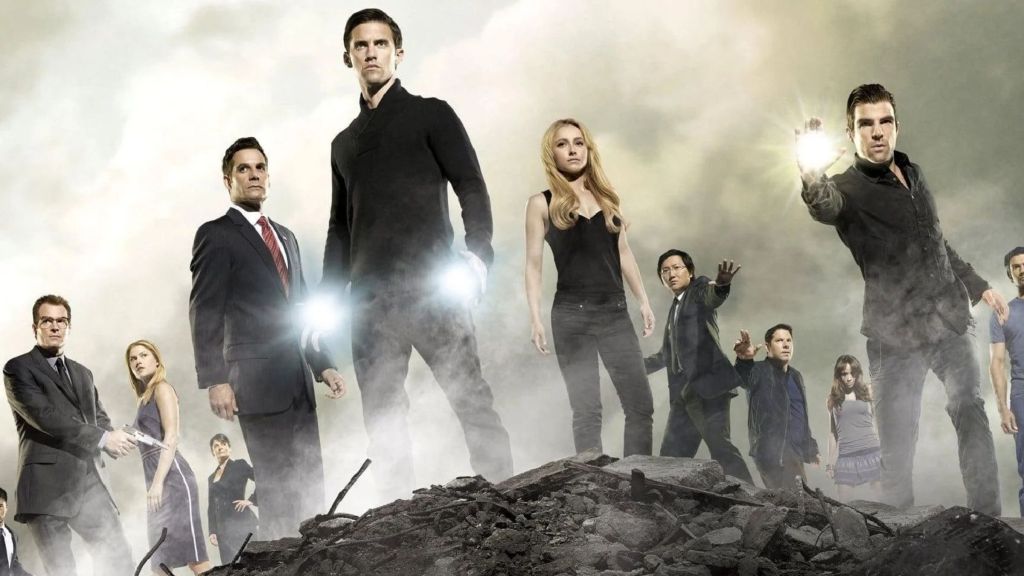
Though in hindsight it may seem another example of a cancelled superhero show that never reached its full potential, there was a time when Heroes dominated TV discourse. The show aired for four seasons, telling the story of an initially disconnected group of people who gain superpowers during a solar eclipse. Heroes‘ large ensemble cast and original superhero story earned it huge praise in its early years.
While Heroes might not feature as many sci-fi tropes as other shows from the 2000s, it further proves why the genre fared so well in that decade. Its exploration of quantum ideas through the time-travelling aspects of its story was excellent, especially set against the action-packed backdrop of a superhero narrative. Its disappointing ending notwithstanding, Heroes remains an example of how sci-fi ideas could be adapted into sprawling epic narratives set in the real world.
3) Doctor Who
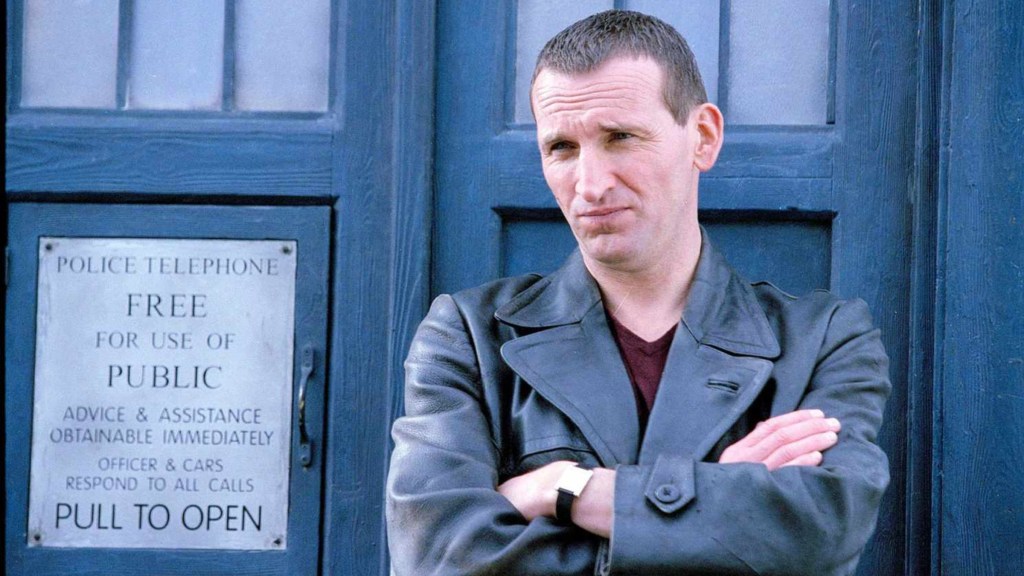
2005 saw Doctor Who‘s first adventure in decades land on the small screen. The revival of the iconic British sci-fi show was a massive success, bringing a much-needed modernisation of its visual effects to revamp its image. After Christopher Eccleston exited the title role, the show thrived with new star David Tennant taking over as the Doctor. Doctor Who has continued to run successfully ever since, maintaining a massive global fan base.
The return of Doctor Who was something of a sci-fi statement. It announced that old classics were prime real estate for updated reimaginings, showing off how good the ideas of decades past could look when revitalized by new technology. It marked the 2000s as a decade in which sci-fi storytellers could boldly bring their ideas to life, ushering in a whole new era for the genre.
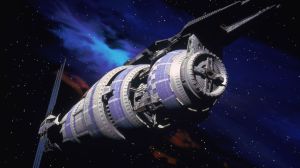
2) Battlestar Galactica

Considered by many to be one of the most rewatchable sci-fi TV shows, 2004’s Battlestar Galactica was another example of the 2000s rebooting older sci-fi shows. Following the titular ship and its inhabitants in their ongoing war against the Cylons, Battlestar Galactica reimagined the 1978 show of the same name for a whole new generation. It immediately earned critical acclaim and has since gone on to be considered one of the greatest sci-fi TV shows ever made.
Battlestar Galactica proved that the 2000s could do the same sci-fi as previous decades, just better. Recycling high-concept ideas and weaving a complex, thought-provoking narrative among the stars was a clear evolution for the sci-fi genre, and Battlestar Galactica forged the future of science fiction on the small screen. The show’s quality is still plain to see, highlighting just how good sci-fi television could be in the early years of the 21st century.
1) Fringe
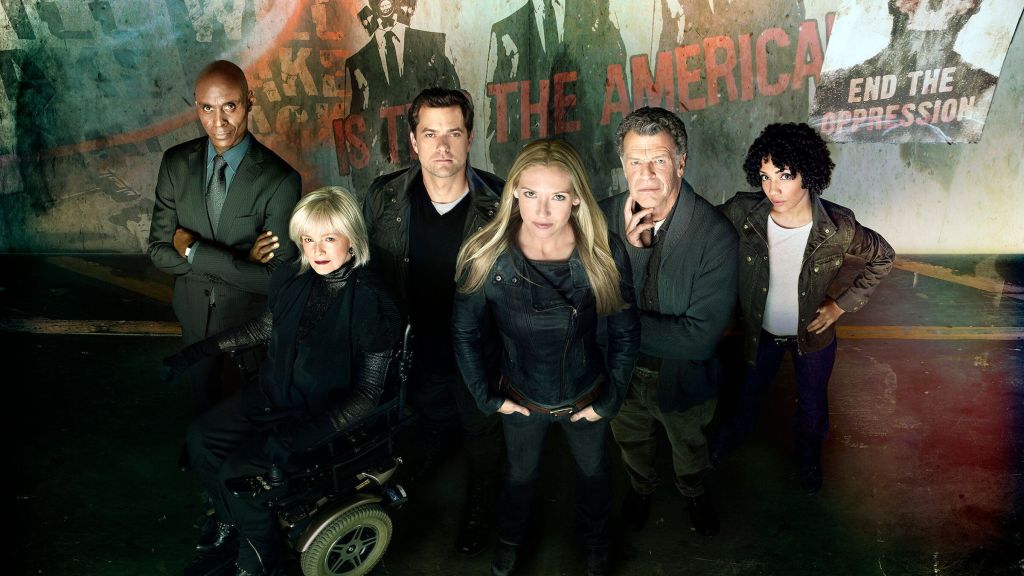
First airing in 2008, Fringe was one of the 2000s’ later entries into the sci-fi genre. The show managed to blend its sci-fi ideas with elements of fantasy and police procedurals, all while remaining true to its science fiction roots. Following a team of FBI investigators who use fringe science to look into unexplained cases, Fringe has earned itself a reputation as one of the best sci-fi TV shows of all time.
As well as being remembered for its complexity and quality, Fringe is often talked about as a sci-fi TV show with a wild plot twist. Its ability to deliver mind-bending plot points within its gripping sci-fi narrative spoke not just to the show’s complex nature but also to how well-made it was. Fringe represents the way the 2000s strived to broaden the horizons of the sci-fi genre, and its influence is still felt in shows released nearly two decades later.
What do you think? Leave a comment below and join the conversation now in the ComicBook Forum!
Most Viewed
-
Courtesy of Sony Pictures Animation / McDonalds -

Courtesy of Viz Media