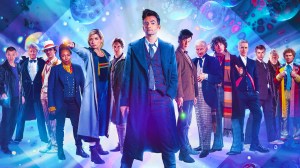
The longest-running sci-fi series of all time, Doctor Who, has just celebrated its 62nd anniversary, and its longevity has been granted by the titular Doctor’s ability to regenerate. The Doctor is one of the most legendary and notable characters in TV history, but not one single actor can be pinned to the role, as the Doctor, as the Timeless Child adopted into Time Lord society, has the ability to change their entire body and personality when ailing, injured, or killed. This has allowed 17 total actors to play different incarnations of Doctor.
Videos by ComicBook.com
In the years since the Doctor’s first on-screen regeneration in 1966’s “The Tenth Planet,” various methods of regeneration have been seen in Doctor Who. In recent years, regenerations have become something of a spectacle, with the Doctor regularly violently embarking on a massive energy exchange that culminates in their body and mind changing completely, often to the shock of their traveling companions. There have been 16 regeneration scenes in Doctor Who’s history, but some have been more memorable, spectacular, heart-wrenching, and visually-stunning than others.
16) Sixth Doctor in “Time and the Rani”
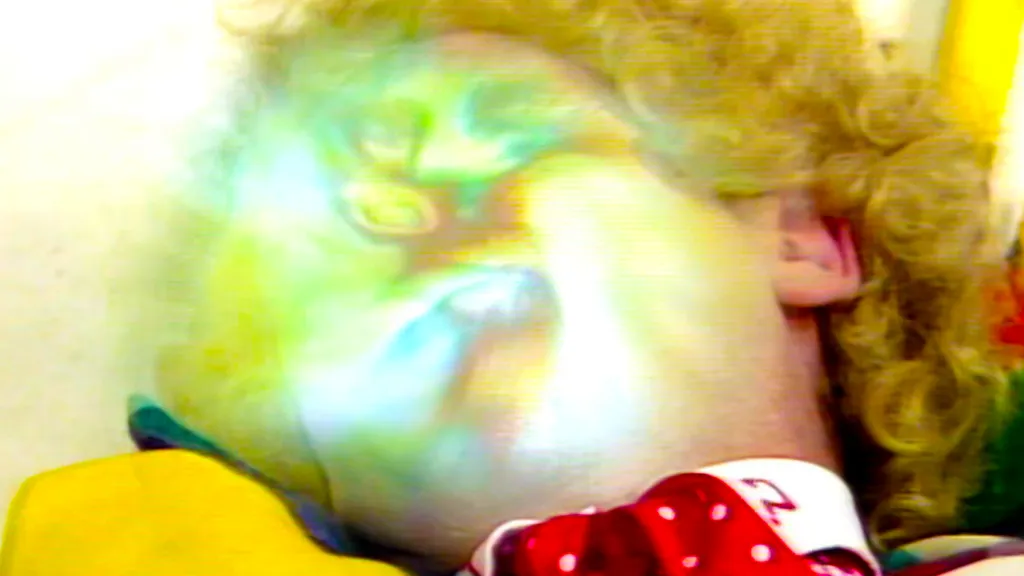
The Sixth Doctor’s regeneration was shrouded with controversy as Colin Baker had departed from the role after a messy confrontation behind the scenes. Baker even refused to film the regeneration scene itself, so Seventh Doctor actor Sylvester McCoy sported his costume and a blonde wig for the scene, with dodgy special effects hiding his face during the change—brought on following an attack on the TARDIS by the Rani. Baker’s run as the Sixth Doctor was laced with criticism, especially since he’d often been verbally and even physically abusive to his companions, so his regeneration was welcome, if awkward.
15) Third Doctor in “Planet of the Spiders”

Unlike Colin Baker, Jon Pertwee was celebrated as the third incarnation of the Doctor between 1970 and 1974. His regeneration scene in “Planet of the Spiders,” however, was one of Doctor Who’s weakest. The Third Doctor’s regeneration process began after he absorbed a deadly dose of radiation inside crystalline spider caves, leading to Sarah Jane Smith and Brigadier Lethbridge-Stewart witnessing his death. Then, in a strange and unnecessary twist, the Time Lord K’anpo Rimpoche appeared to initiate the Doctor’s regeneration, marking the first and only time the Doctor has needed assistance in changing his form, which made very little sense.
14) Seventh Doctor in the Doctor Who TV Movie
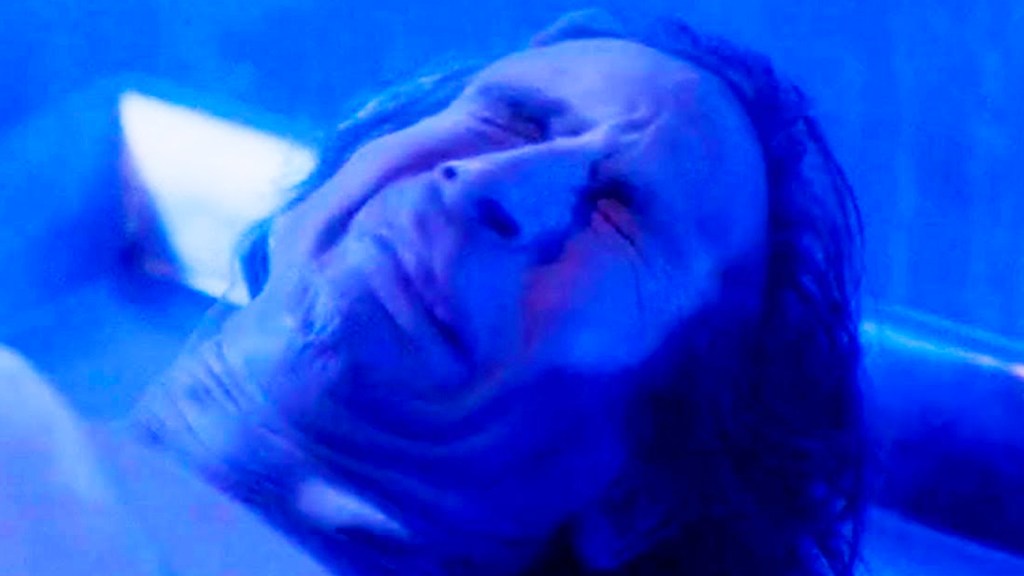
Doctor Who was cancelled in 1989 during McCoy’s run as the Seventh Doctor, but the 1996 revival attempt, the Doctor Who TV movie, finally gave him a chance to regenerate. It seems BBC Worldwide and Universal Pictures just wanted to get rid of McCoy to make way for the more charming and dashing Paul McGann, however. The Seventh Doctor was shot and killed by gang members after arriving in San Francisco, leading to him regenerating with goofy special effects in a morgue. This death and regeneration sequence was lackluster, anticlimactic, and silly, which did a disservice to Sylvester McCoy.
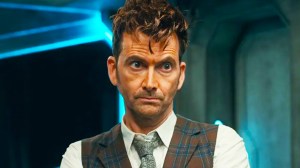
13) Fourteenth Doctor in “The Giggle”
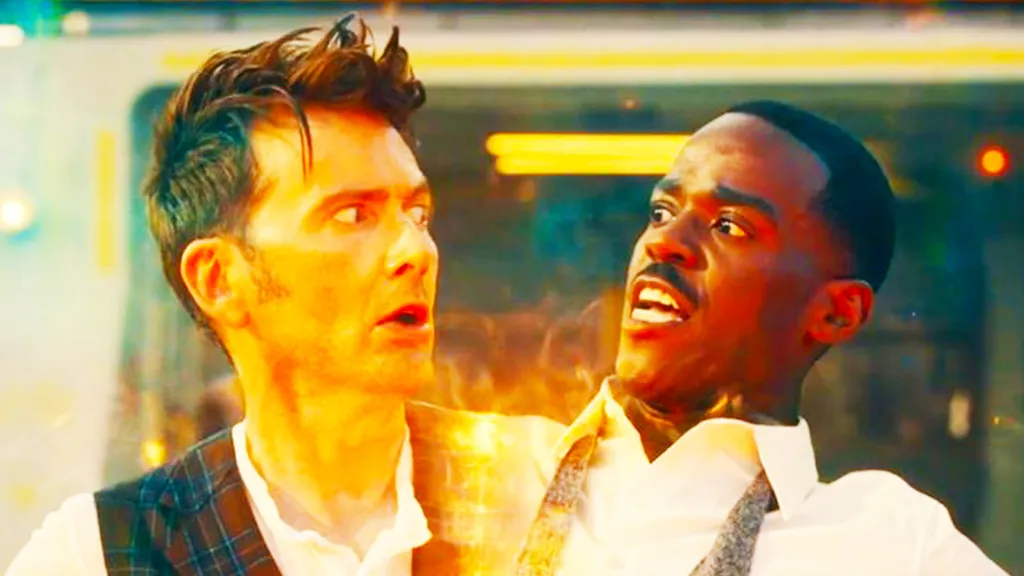
David Tennant returned to Doctor Who to portray the Fourteenth Doctor for the show’s three 60th anniversary specials in 2023, bridging the gap between Chris Chibnall and Jodie Whittaker’s era and Russell T. Davies’ return with Ncuti Gatwa. “The Giggle” introduced the idea of bi-generation, which allowed the Fourteenth Doctor and Gatwa’s Fifteenth Doctor to live simultaneously. This was a seriously surprising turn of events, and one that not all Doctor Who fans have actually enjoyed, as it now feels like there is a major unfinished story with the Fourteenth Doctor, who is just knocking around on Earth.
12) Fourth Doctor in “Logopolis”
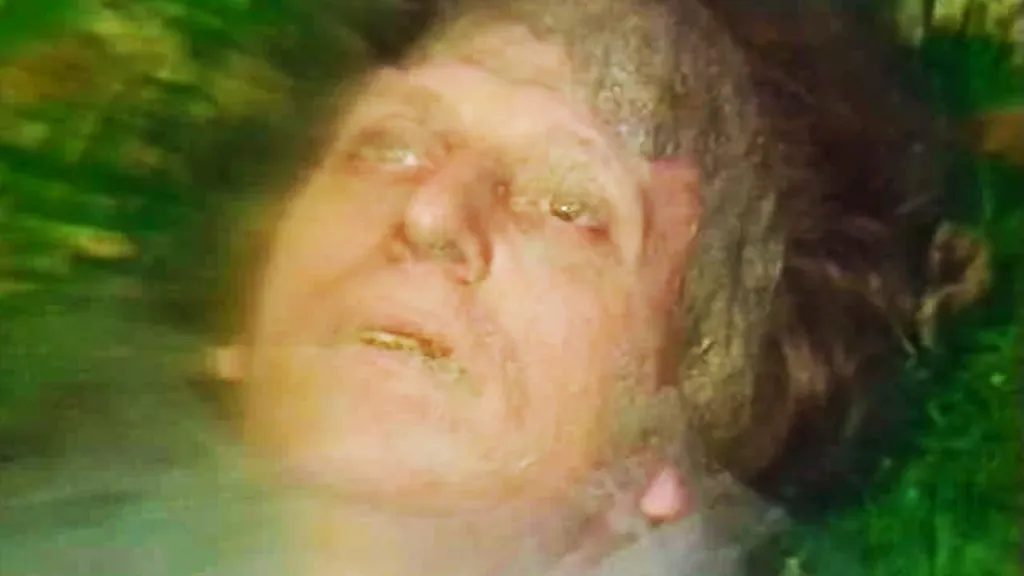
Tom Baker remains as the longest-serving actor to portray the Doctor, appearing as the Fourth Doctor between 1974 and 1981, eventually passing the baton in “Logopolis.” This serial saw the Doctor form a temporary truce with his archenemy, the Master, to stop the unravelling of the universe, but this culminated in the Doctor falling from a great height, kick-starting his regeneration. The Fourth Doctor’s regeneration also had a strange addition with the Watcher, who helped the Doctor transform into his fifth incarnation. Tom Baker’s era is one of Doctor Who’s most beloved, but his regeneration was weird, albeit not controversial.
11) War Doctor in “The Day of the Doctor”
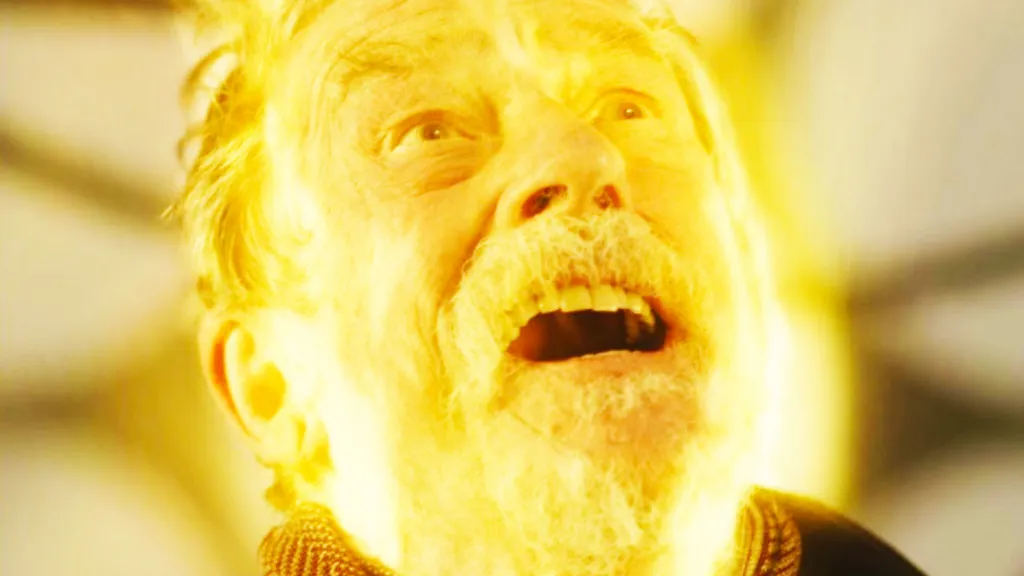
We only briefly new the late John Hurt’s War Doctor, the version of the Doctor who fought during the Time War, but his incomplete regeneration scene managed to bridge the gap between two eras of Doctor Who. Previously, we had assumed that McGann’s Eighth Doctor ended up regenerating into Christopher Eccleston’s Ninth Doctor, but this was not the case. After saving Gallifrey with his future selves, the War Doctor had completed his purpose, and so returned to his TARDIS—a combination of old and new—to regenerate in peace, and we got a tiny glimpse of Eccleston’s likeness before the scene cut away. Incomplete and not spectacular, this scene is forgettable, but hugely important.
10) Twelfth Doctor in “Twice Upon a Time”
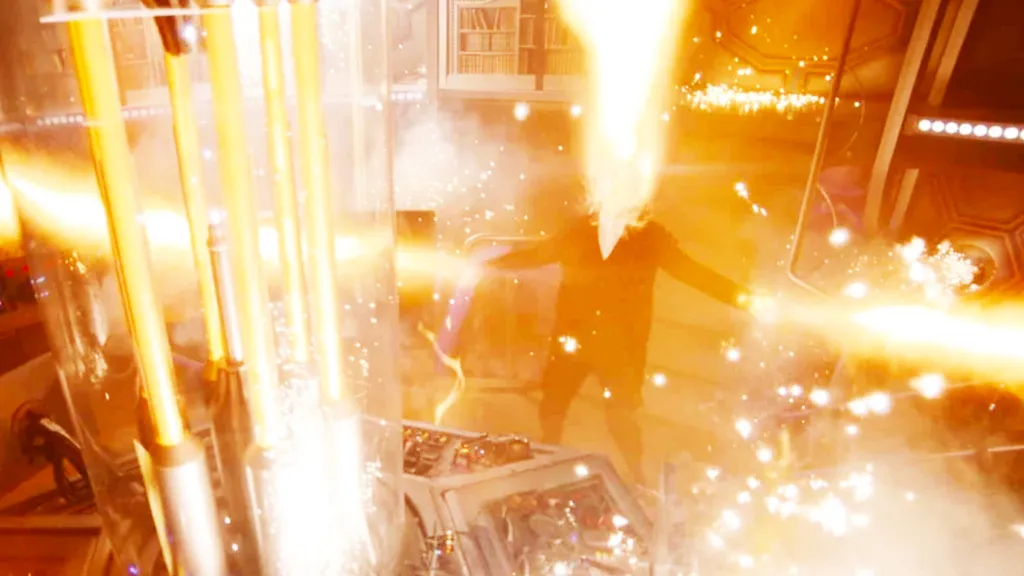
The end of Peter Capaldi’s run as the Twelfth Doctor contributed to some of the most emotional scenes in Doctor Who. Not only was his then-companion, Bill Potts, converted into a Mondasian Cyberman in “World Enough and Time,” but the Doctor himself was shot by a Cyberman, kick-starting his regeneration. He put this off for as long as he could, however, and embarked on a final adventure with David Bradley’s First Doctor in which his memories of Clara Oswald were returned and he reconciled his life before finally feeling ready to regenerate. This marked the end of Steven Moffat’s run as Doctor Who’s showrunner, so was really the end of an era.
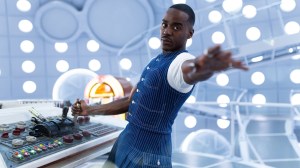
9) Fifteenth Doctor in “The Reality War”

More visually beautiful than the Twelfth Doctor’s regeneration is the most recent change we’ve seen in Doctor Who. The Fifteenth Doctor regenerated after giving up his life to bring Belinda Chandra’s daughter, Poppy, back to life in this universe at the end of “The Reality War.” This ending, however, was seriously rushed and under-explained, marking a sorry end for Ncuti Gatwa’s run as the Doctor, and leaving many wanting more. Even so, it was incredible to see the Doctor’s regeneration energy burst out into space, and shocking to see Billie Piper return to Doctor Who, seemingly as the next iteration of the Doctor.
8) First Doctor in “The Tenth Planet”
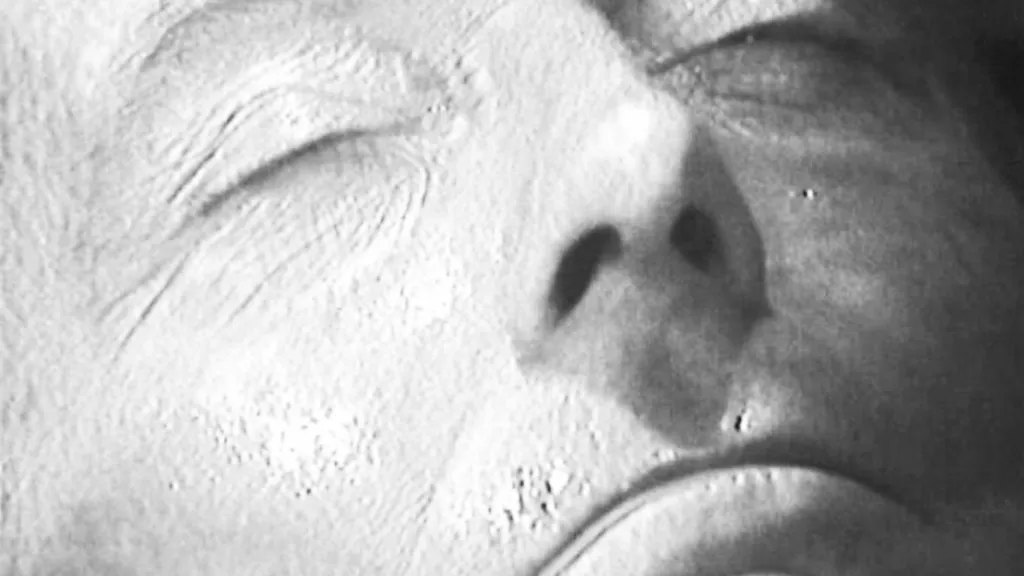
With little flash and next to no special effects, William Hartnell’s departure from Doctor Who and the series’ first ever regeneration in 1966 was a revelatory moment. The First Doctor regenerated after a battle against the Cybermen in “The Tenth Planet,” and, retroactively, after meeting the pilots aboard the Testimony in “Twice Upon a Time.” In reality, Hartnell’s deteriorating health forced Doctor Who’s creators to come up with a way to continue the show with a new actor in the role, and this was one of the first overt examples of the Doctor showing off his alienness. This is one of TV’s most memorable moments, though is missing some of the flash of latter regenerations.
7) Eleventh Doctor in “The Time of the Doctor”
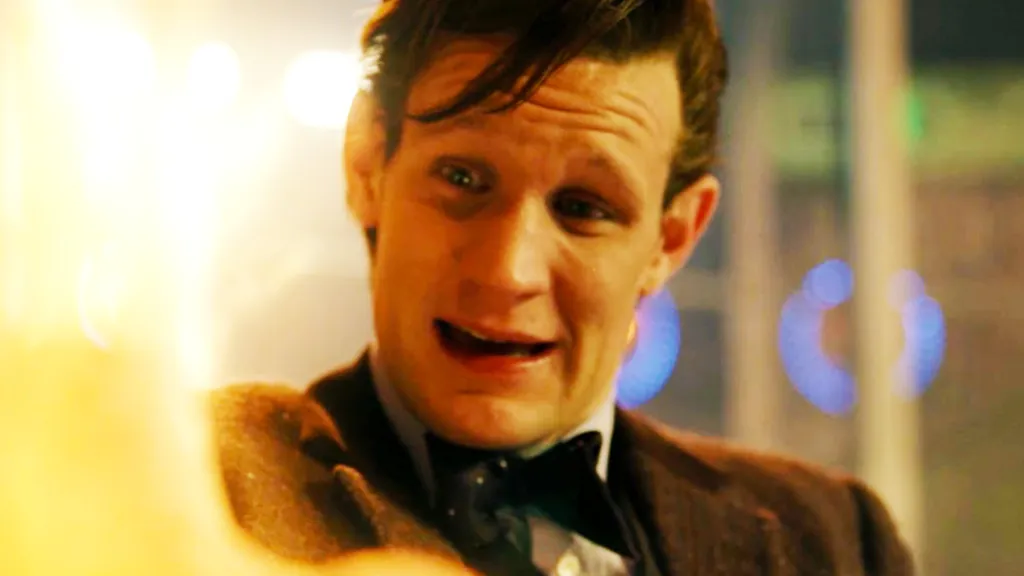
Speaking of emotional farewells with the Twelfth Doctor, the character’s former iteration also had a heart-breaking goodbye. Matt Smith had a great run as the Eleventh Doctor, but he bade farewell to the role in “The Time of the Doctor,” when the Time Lords seemingly granted him a new cycle of regenerations—even though this has now been retconned as the Doctor actually has unlimited regenerative potential. The Eleventh Doctor said goodbye not only to Clara Oswald when regenerating, but also Amy Pond, his first companion, who appeared to him in a vision, creating a beautiful full-circle moment for this iteration.
6) Fifth Doctor in “The Caves of Androzani”
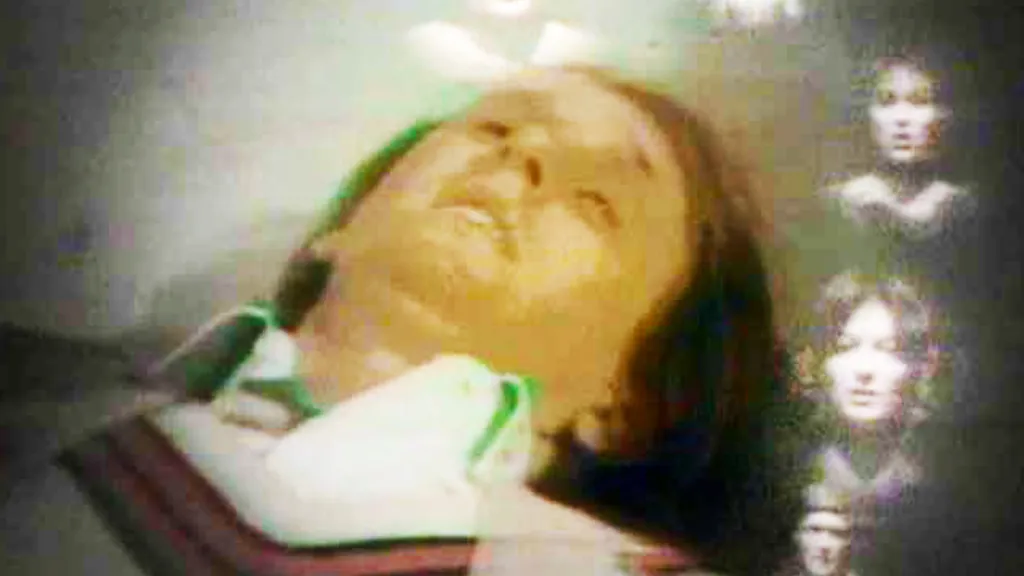
Many of the classic regeneration sequences were lackluster, boring, or confusing, but Peter Davison’s goodbye as the Fifth Doctor in 1984 was incredibly touching. Both the Fifth Doctor and his new companion, Peri, were poisoned in “The Caves of Androzani,” and the Doctor only acquired one vial of the antidote. He showed his dedication to keeping his companions safe by giving this cure to Peri, despite not really knowing her yet, thereby sacrificing his own life. He experienced visions of his most notable and beloved companions, like other incarnations have, before making the change in one of Doctor Who’s most heartfelt scenes.
5) Eighth Doctor in “The Night of the Doctor”

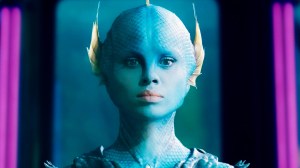
It is widely considered to be one of the biggest shames surrounding Doctor Who that Paul McGann hasn’t had more on-screen adventures as the Eighth Doctor following the 1996 TV movie. McGann has voiced the character in many audio adventures, but finally suited up as the Doctor again in the minisode prequel to the 50th anniversary special, “The Night of the Doctor.” This saw him given an elixir by the Sisterhood of Karn, helping him choose qualities that would make his next iteration an even better warrior during the Time War. It was fantastic to finally see the Eighth Doctor’s regeneration on-screen, and this also better explained John Hurt’s appearance as the War Doctor, but we want even more from McGann.
4) Second Doctor in “The War Games”
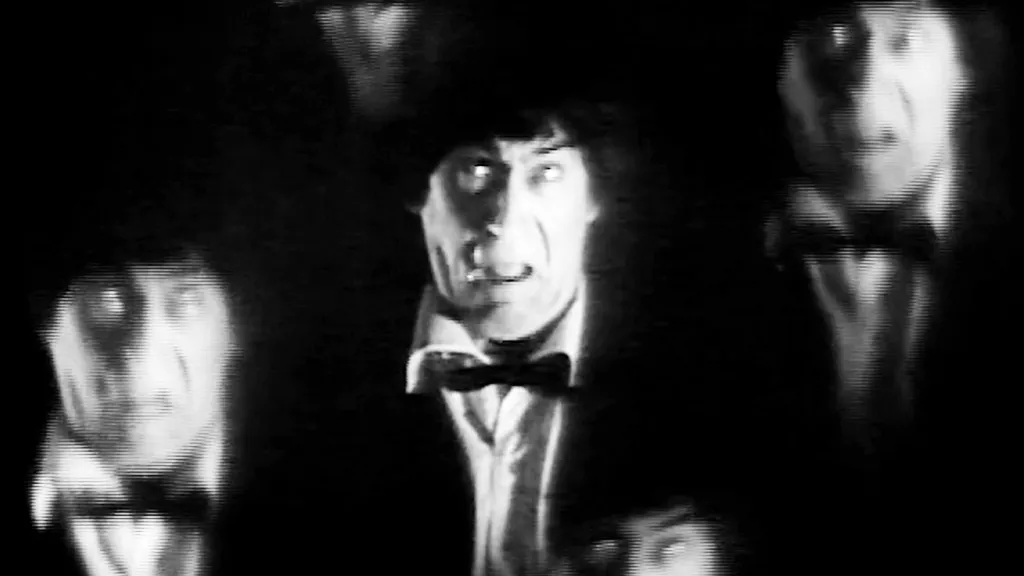
Patrick Troughton’s run as the Second Doctor had received huge praise after the possibly confusing change from Hartnell to him, but his own regeneration sequence put an even bigger twist on the event. Instead of regenerating naturally, the Second Doctor was put on trial by the Time Lords for his unauthorized travels through time and space and his intervention in historical events. The Doctor argued his travels and interventions had done a lot of good, and the Time Lords agreed, but still punished him by exiling him on Earth and forcing him to regenerate into his third incarnation. The idea of forced regeneration returned years later, but it all started back in 1969.
3) Ninth Doctor in “The Parting of the Ways”
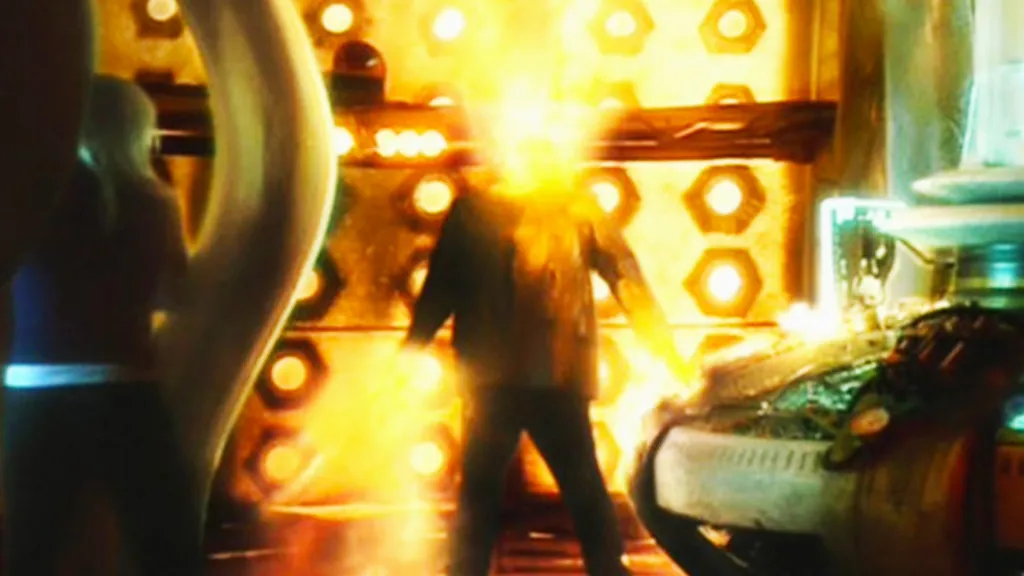
By today’s standards, the Ninth Doctor’s regeneration in “The Parting of the Ways” is underwhelming. However, seeing the Doctor regenerate with the now-signature yellow energy for the first time on-screen was a huge moment in the history of the show. The Doctor had never regenerated in this way, but the revival of Doctor Who made regeneration a much bigger deal—and eased the CGI change from one actor to another by hiding key areas with hazy energy. The Doctor sacrificed his ninth iteration to save Rose Tyler by absorbing the power of the Heart of the TARDIS from her, so, despite behind the scenes issues between production and Eccleston, this regeneration scene was still fantastic.
2) Thirteenth Doctor in “The Power of the Doctor”
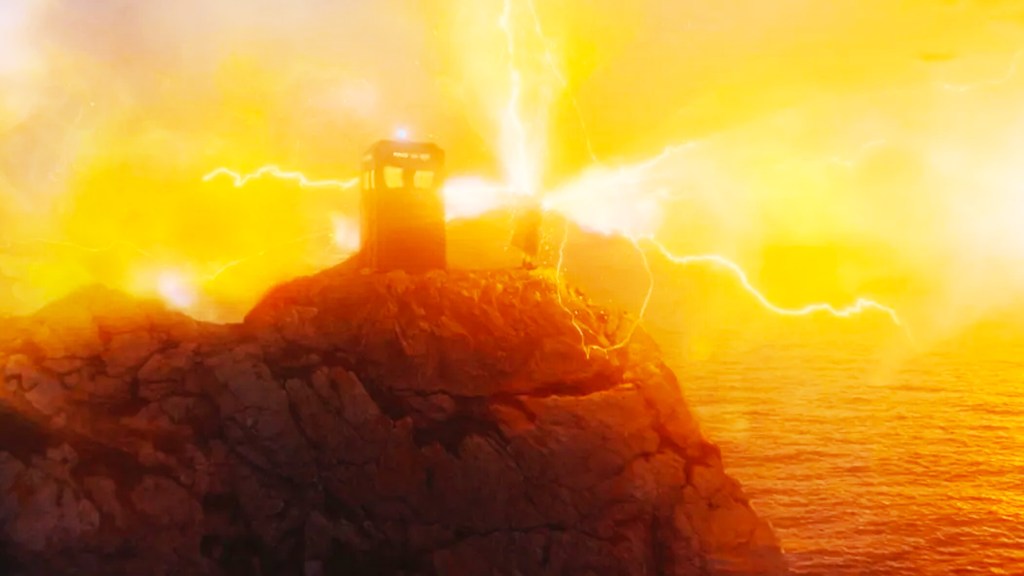
Although Jodie Whittaker’s run as the Thirteenth Doctor had almost constantly been plagued with criticism aimed at the writing, direction, performances, and Chris Chibnall’s showrunning, the Thirteenth Doctor’s regeneration scene is one of the most stunning and spectacular sequences in Doctor Who’s history. After battling the Master in “The Power of the Doctor,” the Thirteenth Doctor returned Yaz home, and then traveled to Durdle Door and tagged in her next incarnation in one of the most explosive and visually-striking regenerations ever. This scene also ended with the shock of David Tennant’s return to Doctor Who, as we were all expecting Ncuti Gatwa to appear, which only added to its impact and memorability.
1) Tenth Doctor in “The End of Time — Part 2”
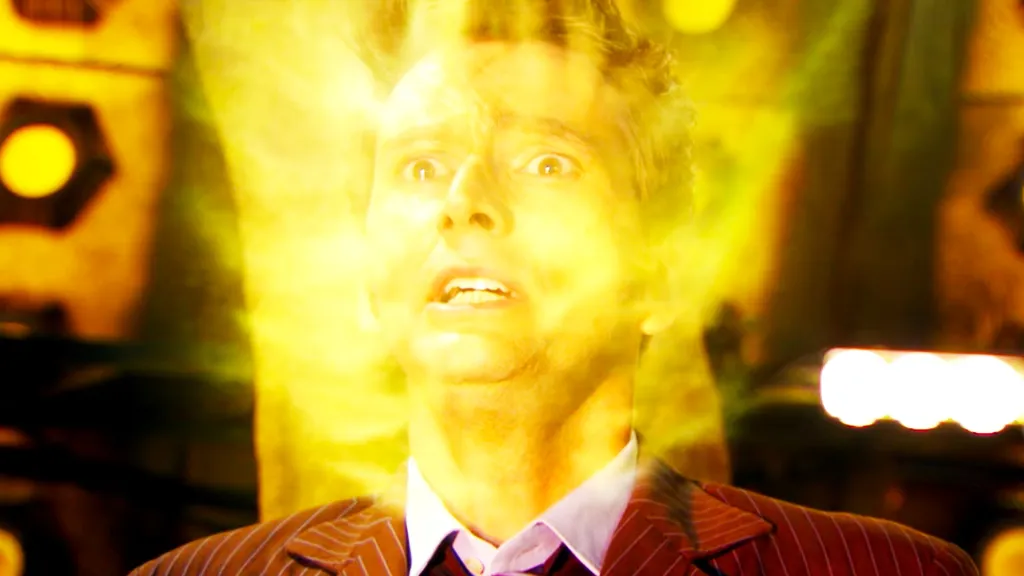
While the Thirteenth Doctor’s regeneration was a beautiful moment, it will be hard for any regeneration to top that of the Tenth Doctor in “The End of Time — Part 2.” This was David Tennant’s first final regular adventure as the Doctor, and, once again, he sacrificed his life to save one of his companions, this time Wilfred Mott (the late Bernard Cribbins). The Tenth Doctor had been many viewers’ favorite incarnation, so his regeneration was incredibly emotional, especially after his farewell tour to say goodbye to his various companions, and his final words of “I don’t want to go.” Not only one of Doctor Who’s most incredible moments, but one of the greatest moments in TV history as a whole.
What do you think? Leave a comment below and join the conversation now in the ComicBook Forum!
Most Viewed
-
Image Courtesy of TOHO -

Image Courtesy of Crunchyroll -
Image courtesy of Marvel Studios -

Image Courtesy of Good Shepard Entertainment/Sony Interactive Entertainment -
Image Courtesy of Marvel Comics