The 2020s have proven to be an exceptionally robust era for science fiction, thanks to a significant increase in production scale and a renewed interest in high-concept storytelling. In theaters, the genre has seen massive commercial and critical success with films like Dune, Avatar: The Way of Water, and Everything Everywhere All at Once, all of which have demonstrated that audiences remain hungry for expansive, visually stunning worlds. The big-screen hits have been matched by streaming services, most notably Apple TV, which has positioned itself as the premier destination for prestige sci-fi. By investing heavily in ambitious projects like Foundation and Dark Matter, the platform has helped move the genre into the center of the cultural conversation.
Videos by ComicBook.com
The momentum of sci-fi shows no signs of slowing as we move deeper into 2026, with several highly anticipated projects currently dominating headlines. The industry is particularly focused on the upcoming release of Neuromancer, an adaptation of William Gibson’s seminal cyberpunk novel that was long considered unfilmable. Additionally, projects like Blade Runner 2099 and For All Mankind spinoff Star City suggest that sci-fi will remain a dominant force in the entertainment industry. Still, as we already passed the midpoint of the decade, we can already identify the sci-fi series that have successfully pushed the boundaries of the medium and will be remembered as modern classics.
7) Cyberpunk: Edgerunners
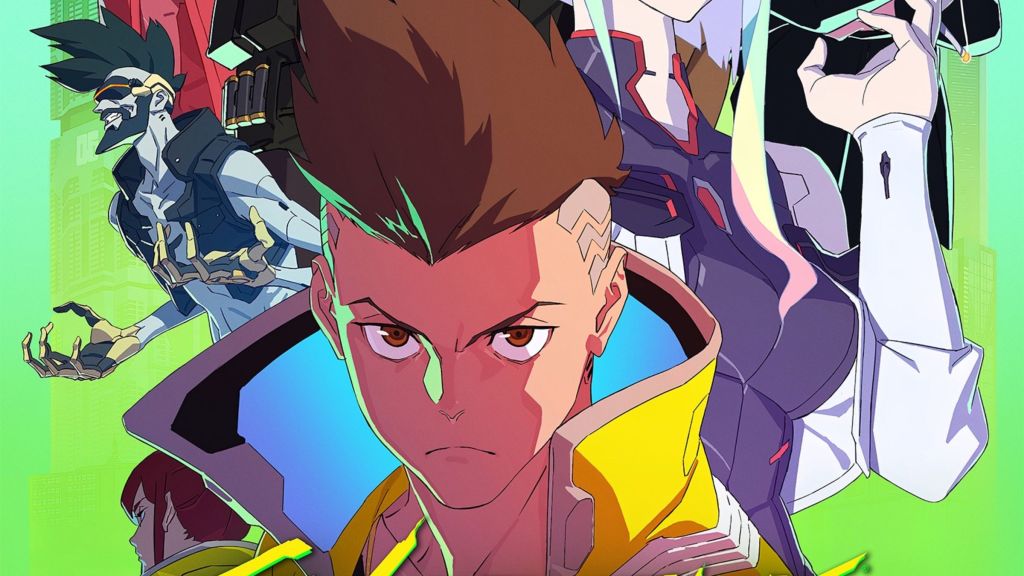
As a standalone expansion of the universe established in the Cyberpunk 2077 video game, Cyberpunk: Edgerunners utilized the medium of animation to deliver a visceral and emotionally devastating critique of late-stage capitalism. The narrative centers on David Martinez (voiced by Zach Aguilar), a talented street kid who chooses to become a mercenary after a personal tragedy leaves him destitute in the hyper-industrialized Night City. Unlike many cyberpunk stories that focus solely on the aesthetics of neon and chrome, this series emphasizes the physical and psychological cost of cybernetic enhancement, portraying “cyberpsychosis” as a tragic inevitability rather than a simple plot device. In addition, the kinetic animation provided by Studio Trigger captures the chaotic energy of a society where human life is a secondary concern to corporate profitability, ensuring that every action sequence feels both exhilarating and horrifying.

6) Silo
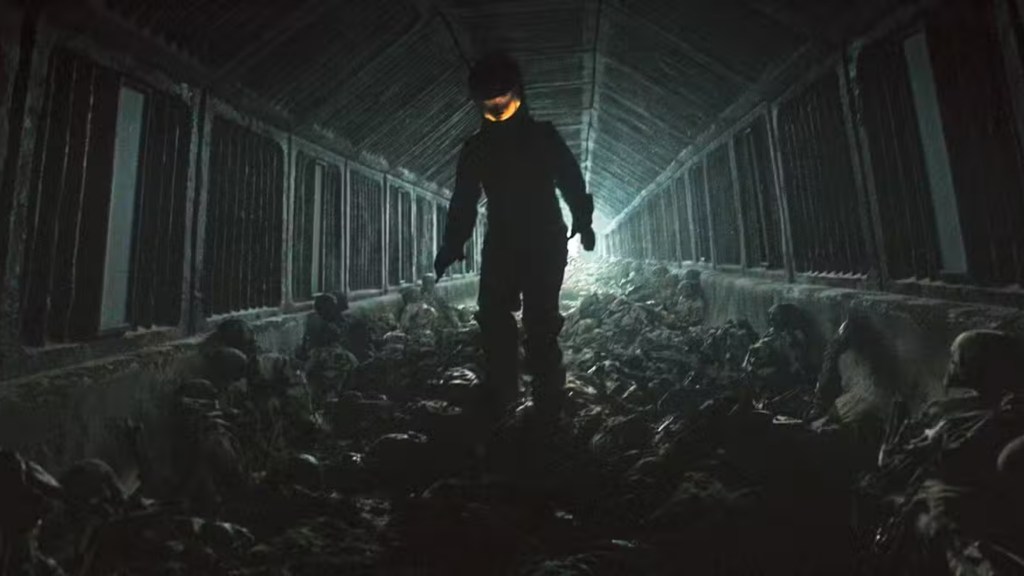
Based on the popular book trilogy by Hugh Howey, Silo delivers a claustrophobic and meticulously paced mystery regarding the remnants of human civilization living within a massive underground bunker. The series follows Juliette Nichols (Rebecca Ferguson), an engineer who finds herself thrust into a delicate position after a series of suspicious deaths begins to unravel the fragile social order of the facility. The production design is a triumph of world-building, as the rusted, industrial interior of the silo serves as a constant reminder of the characters’ isolation and the historical erasure enforced by their leaders. Plus, by focusing on the logistical and psychological realities of living in a closed system, the show explores themes of surveillance, institutional control, and the inherent danger of seeking forbidden knowledge. Finally, Juliette’s investigation into the “Founders” and the true nature of the world outside provides a compelling narrative engine that rewards patient viewers, establishing Silo as a definitive entry in the dystopian subgenre.
5) Fallout

The television adaptation of Fallout successfully translated the distinct “atompunk” aesthetic and dark humor of the legendary video game franchise into a sophisticated exploration of survival and structural decay. Set two centuries after a nuclear cataclysm, the story follows Lucy MacLean (Ella Purnell) as she leaves the relative safety of an underground Vault to navigate the lawless Wasteland of Los Angeles. The narrative utilizes a multi-perspective structure, contrasting Lucy’s naive optimism with the cynical pragmatism of Cooper Howard (Walton Goggins), a mutated bounty hunter known as The Ghoul. This dynamic allows the series to examine the philosophical divide between the utopian promises of pre-war corporations and the grim reality of the world they left behind. With its high production values and commitment to practical effects, the show captures the bizarre and violent contradictions of its setting, proving that speculative fiction can be both absurdly entertaining and deeply critical of the ideologies that lead to societal collapse.
4) Station Eleven

While many post-apocalyptic narratives prioritize the immediate violence of a global collapse, Station Eleven distinguishes itself by focusing on the enduring power of art and memory in the aftermath of a civilization-ending flu pandemic. The series jumps across multiple timelines, primarily following Kirsten Raymonde (Mackenzie Davis) as a member of a traveling Shakespearean troupe that performs for isolated settlements decades after the fall. This non-linear structure allows the show to investigate how stories function as a bridge between the world that was lost and the new reality being built by the survivors. The inclusion of the fictional graphic novel that gives the series its name serves as a thematic anchor, illustrating how human beings project their trauma and hope onto the media they consume. By valuing poetry and human connection over traditional genre tropes, Station Eleven offers a hauntingly beautiful meditation on the idea that survival is insufficient, arguing that humanity’s defining trait is the persistent need to create.
3) Pluribus

Created by Vince Gilligan in his first major project since the conclusion of the Breaking Bad saga, Pluribus represents a radical departure from standard science fiction conventions. The series centers on Carol Sturka (Rhea Seehorn), a cynical novelist living in Albuquerque who becomes one of the few individuals immune to an alien virus that transforms the rest of humanity into a peaceful, content hive mind. While this premise could easily serve as a horror setup, Gilligan instead utilizes it to explore the existential friction between individual agency and collective happiness. The “Others,” as the assimilated humans are known, are not hostile invaders but benevolent neighbors who view Carol’s anger and grief as a treatable sickness. This subversion creates a mounting sense of psychological dread, as the show questions the value of the human spirit when it is dragged down by struggle. Seehorn delivers a magnetic performance as a woman fighting to remain miserable in a world that has institutionalized positivity, making Pluribus a fascinating and original addition to the genre.
2) Star Wars: Andor

Star Wars: Andor stripped away the mystical elements of its parent franchise to deliver a grimy, industrial spy thriller that examines the banality of evil and the mechanics of radicalization. The narrative follows Cassian Andor (Diego Luna) during the years leading up to the events of Rogue One, tracing his transformation from a petty thief into a committed soldier of the Rebellion. Unlike previous entries in the series, the show prioritizes the bureaucratic coldness of the Galactic Empire, personified by characters like Syril Karn (Kyle Soller) and Dedra Meero (Denise Gough). This focus on the administrative logistics of oppression makes the stakes feel remarkably grounded, as the horror stems from the systemic erasure of individual rights rather than supernatural threats. Furthermore, by depicting the Rebellion not as a glorious crusade but as a desperate, messy collection of compromised people, the series provides a sophisticated political commentary that elevates the entire franchise. The show’s commitment to location filming and tactile sets further reinforces its gritty tone, establishing a standard of maturity rarely seen in blockbuster sci-fi.
1) Severance
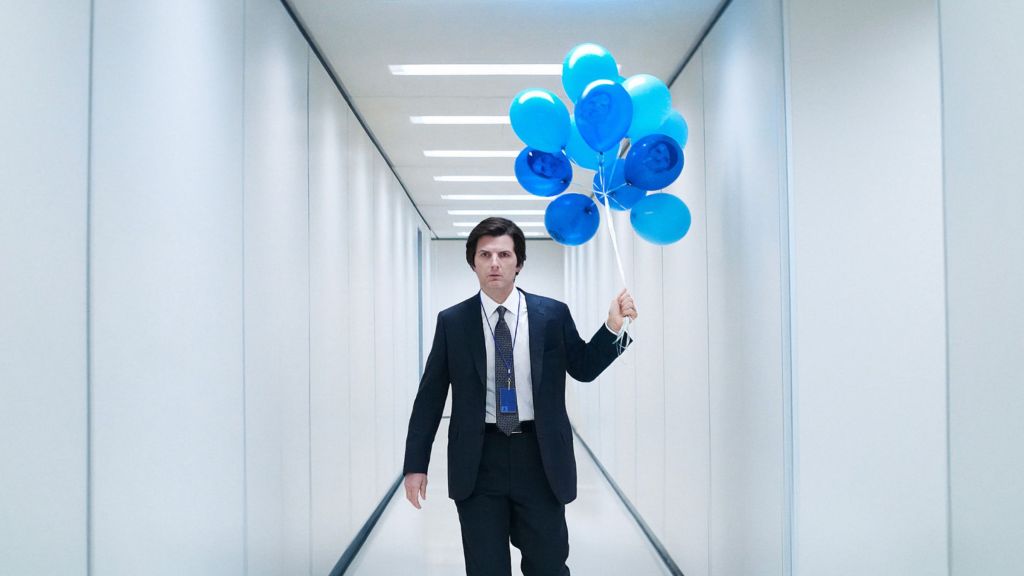
Standing as the most intellectually provocative and stylistically distinct science fiction show of the decade, Severance utilizes a terrifyingly plausible technology to examine the dehumanization of the modern workforce. The story centers on Mark Scout (Adam Scott), an employee at Lumon Industries who has undergone a surgical procedure that splits his memories between his personal life and his workplace identity. This literalization of “work-life balance” results in the creation of an “Innie,” a version of Mark that only exists within the windowless, labyrinthine corridors of the office, never knowing the outside world. Director Ben Stiller utilizes a sterile, mid-century modern aesthetic to create a sense of ontological horror, as the characters struggle to understand their purpose within a corporate structure that functions like a cult. The brilliance of the show lies in its ability to turn the mundane activities of office life into a source of profound existential tension, as the two versions of Mark begin to uncover the dark secrets of Lumon.
Which science fiction series from the 2020s do you believe has most successfully challenged our perception of the future? Leave a comment below and join the conversation now in the ComicBook Forum!
Most Viewed
-

Courtesy of Sony Pictures Animation / McDonald's -

Image Courtesy of Marvel Comics -

Image Courtesy of Lucasfilm