During the 1980s, animated programming often functioned as a thirty-minute advertisement for action figures, with narrative depth frequently sacrificed for marketability. However, the arrival of the 1990s saw the industry embrace creator-driven visions that prioritized thematic complexity and visual artistry over merchandising mandates. While The Simpsons premiered in late 1989, it was during the subsequent decade that the series redefined adult satire and established a cultural empire that remains intact today. The 1990s also saw the rise of Batman: The Animated Series, a production that revolutionized the superhero genre by adopting a mature approach to its protagonists. Beyond that, X-Men: The Animated Series introduced serialized soap-opera dynamics to Saturday mornings, and Animaniacs utilized high-energy slapstick to deliver industry-focused meta-commentary.
Videos by ComicBook.com
Beyond the universally recognized titans of the era, the 1990s produced a diverse array of programming that challenged the boundaries of animation. Networks like MTV, Nickelodeon, and Disney began experimenting with avant-garde aesthetics and serialized narratives that were significantly ahead of their time. The longevity of these programs originates from their refusal to talk down to their audience, opting instead for a level of sincerity and creative risk-taking that has allowed them to transcend the limitations of their original broadcast windows.
7) The Pirates of Dark Water

The Pirates of Dark Water remains one of the most visually stunning and high-concept fantasy epics ever produced for Saturday morning television. The narrative centers on a young prince named Ren (voiced by George Newbern), who must assemble a ragtag crew to collect the Thirteen Treasures of Rule and stop a malevolent black liquid known as the “Dark Water” from consuming the world of Mer. The production values were extraordinarily high for the period, with each episode reportedly costing half a million dollars to produce. This investment resulted in a lush world filled with unique ecosystems and terrifying aquatic threats that continue to captivate viewers decades later. Although the series was abruptly canceled before the story could reach a proper conclusion, its legacy as a pioneer of high-stakes, serialized world-building remains intact.
6) Recess
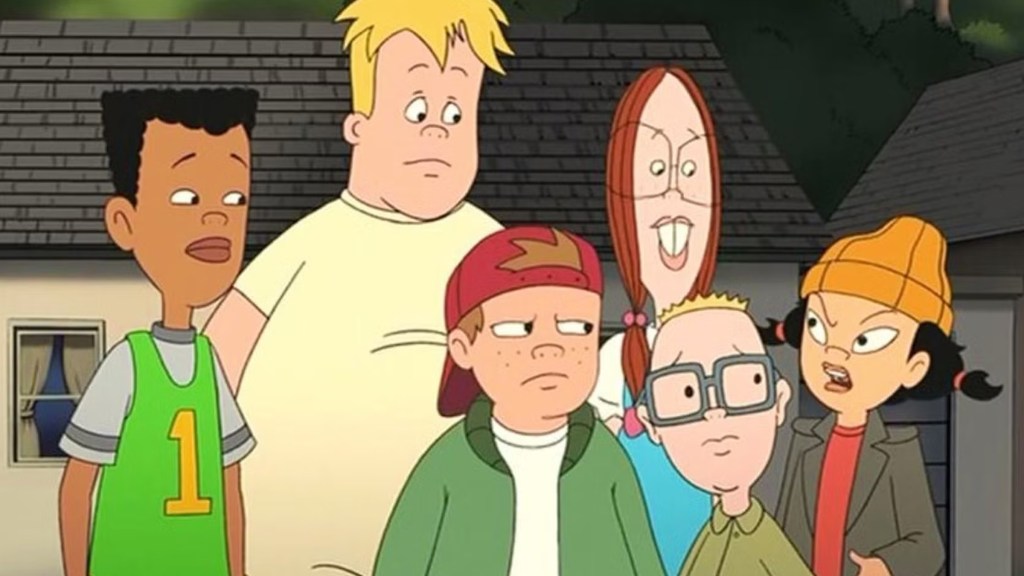
While frequently categorized as a standard playground comedy, Recess functions as a sophisticated sociopolitical allegory that examines the micro-society of childhood. The narrative centers on a group of six friends led by T.J. Detweiler (voiced by Ross Malinger), as they navigate a schoolyard governed by a rigid hierarchy of monarchies, social classes, and unwritten laws. This structured environment allows the show to explore complex concepts such as constitutional rights, authoritarianism, and the fragility of social contracts through the lens of elementary school politics. Unlike many of its contemporaries, the series treats the concerns of its young protagonists with a level of gravity that highlights the universal nature of human organization. Consequently, the show’s sharp writing and thematic depth ensure that it remains a fascinating study of human behavior for audiences of all ages.
5) Hey Arnold!
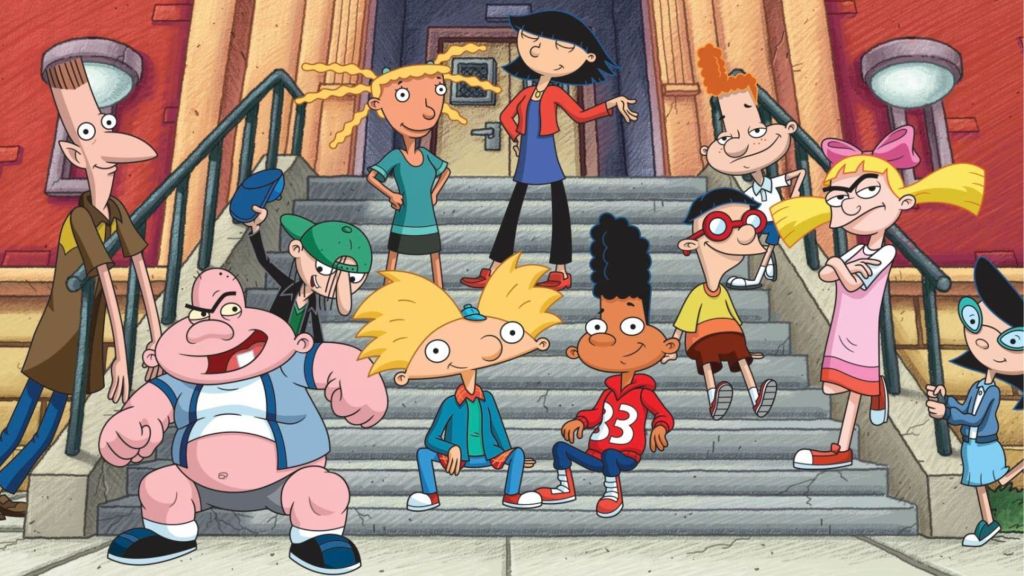
Hey Arnold! distinguished itself from the high-energy cartoons of the 1990s by embracing a jazz-infused realism that prioritized emotional intelligence and urban atmosphere. The series follows Arnold Shortman (voiced by Toran Caudell), a kind-hearted fourth-grader living in a boarding house with his eccentric grandparents in the fictional city of Hillwood. Much of the show’s enduring appeal originates from its willingness to tackle difficult subjects such as poverty, loneliness, and the psychological impact of parental absence. This maturity is best exemplified by the character of Helga Pataki (voiced by Francesca Marie Smith), whose aggressive exterior masks a deep-seated insecurity and an unrequited love for the protagonist. By treating the inner-city setting as a vibrant character rather than a mere backdrop, the show captures a sense of melancholy and sincerity that is rarely found in children’s television.
4) Rocko’s Modern Life
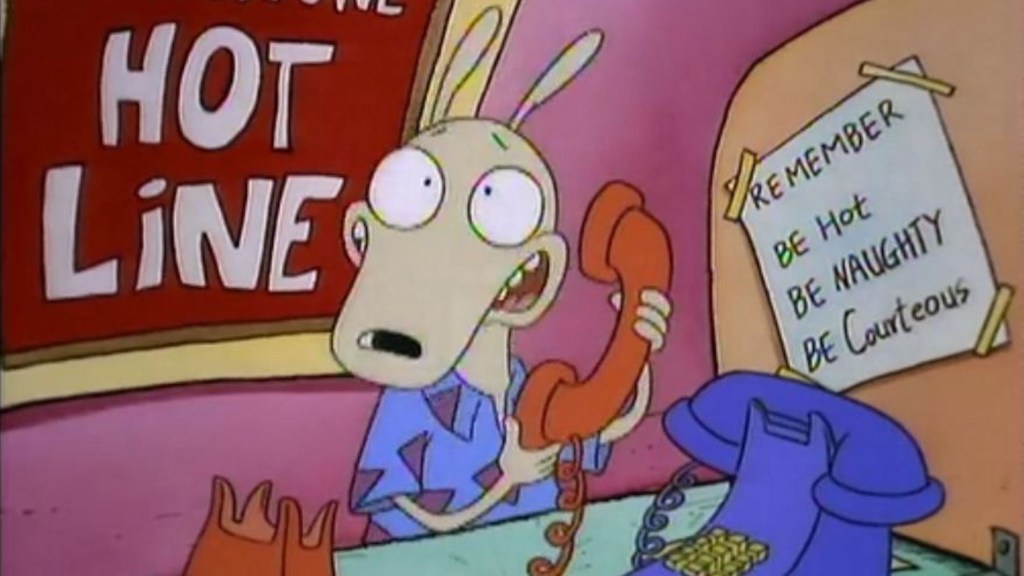
Rocko’s Modern Life utilized a surrealist aesthetic to deliver a biting satire of the anxieties and absurdities inherent in adult life. The story follows an Australian wallaby named Rocko (voiced by Carlos Alazraqui) as he struggles to maintain his sanity while working a low-wage job and navigating a chaotic neighborhood populated by bizarre creatures. This premise allowed the writers to include subversive humor regarding corporate exploitation, technological frustration, and the general malaise of the working class. By balancing grotesque physical comedy with a genuine understanding of the modern grind, Rocko’s Modern Life remains a definitive example of animation that speaks directly to the frustrations of the human experience.
3) The Maxx

Originally appearing as part of the MTV Oddities block, The Maxx serves as a haunting exploration of trauma, escapism, and the subjective nature of reality. The story follows the dual identities of a homeless man named Dave (voiced by Michael Haley), who perceives himself as a powerful superhero called The Maxx in an alternate dimension known as the Outback. His primary connection to reality is Julie Winters (voiced by Glynnis Talken), a social worker whose own past trauma is intricately linked to the landscape of the Outback. By utilizing a mix of traditional animation, CGI, and live-action elements, the show effectively visualizes the psychological erosion of its characters. This avant-garde approach allows the narrative to investigate the devastating consequences of sexual violence and domestic abuse with a level of maturity that was unprecedented for an animated series.
2) Æon Flux
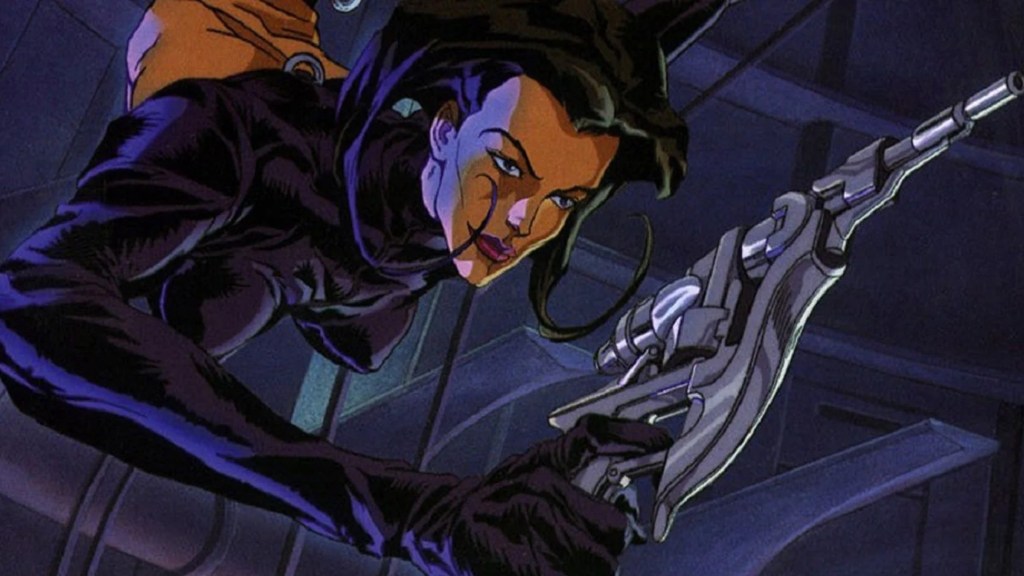
Standing at the absolute summit of experimental 1990s animation, Æon Flux redefined the boundaries of the animated medium through its nihilistic philosophy and avant-garde visual language. The series portrays a dystopian future where the secret agent Æon Flux (voiced by Denise Poirier) engages in a perpetual ideological and physical conflict with the technocrat Trevor Goodchild (voiced by John Rafter Lee). Created by Peter Chung, the show originally began as a series of silent shorts that prioritized movement and symbolism over traditional exposition. Even as it evolved into a half-hour format, the narrative maintained a sense of intellectual ambiguity, frequently ending with the death of the protagonist to reset the cycle of violence. This refusal to offer easy answers or moral clarity made the series a landmark of the cyberpunk genre, influencing a generation of creators.
1) Gargoyles
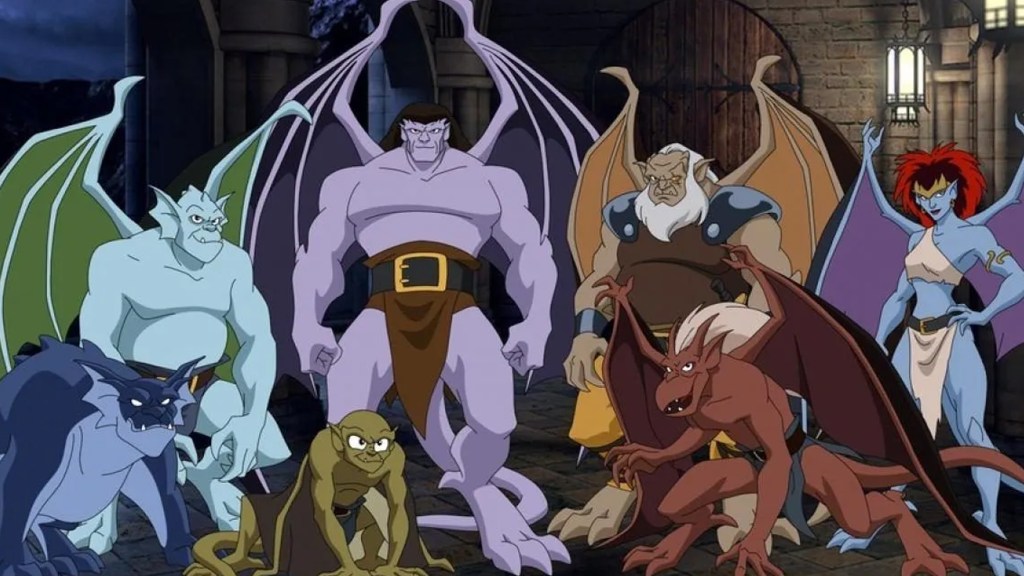
By blending Shakespearean drama with urban fantasy, Gargoyles challenged the standard episodic format of the 1990s to deliver one of Disney’s most ambitious narratives ever. The plot follows a clan of ancient warriors led by Goliath (voiced by Keith David), who are awakened from a thousand-year stone sleep in modern-day Manhattan. This setting provides the foundation for a sprawling epic that explores themes of betrayal, redemption, and the dangers of technological hubris. The show’s commitment to long-form storytelling was revolutionary for its time, featuring intricate character arcs for villains like David Xanatos (Jonathan Frakes) and Demona (Marina Sirtis). This narrative complexity has ensured the show’s status as a cult classic, leading to a live-action reboot currently in development at Disney+ with James Wan and Gary Dauberman.
Which 1990s animated classic do you think is the most relevant today? Leave a comment below and join the conversation now in the ComicBook Forum!
Most Viewed
-
Image Courtesy of Ufotable -

Image Courtesy of Crunchyroll -

Image Courtesy of Toei Animation