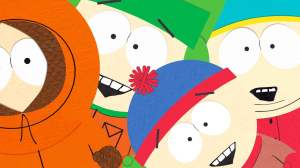
In the early 2000s, the landscape for anime fans was far different than it is today, and new series were far less accessible than they are now. One of the only saving graces anime fans had during this era was Toonami, a special programming block hosted by Cartoon Network that featured shows like Gundam and Dragon Ball, but in 2005, the landscape for anime fandom in the west changed forever when Toonami began airing Naruto in 2005.
Videos by ComicBook.com
Naruto made its way to the evening programming block in September 2005, and ran on the original version of Toonami until it was discontinued. Naruto, the famous shonen anime adapted from Masashi Kishimoto’s original manga, became a mainstream media phenomenon, and became a pillar in Shonen Jump‘s “Big Three” — consisting of Naruto, Bleach, and One Piece.
Naruto‘s Toonami Domination Was The Perfect Storm
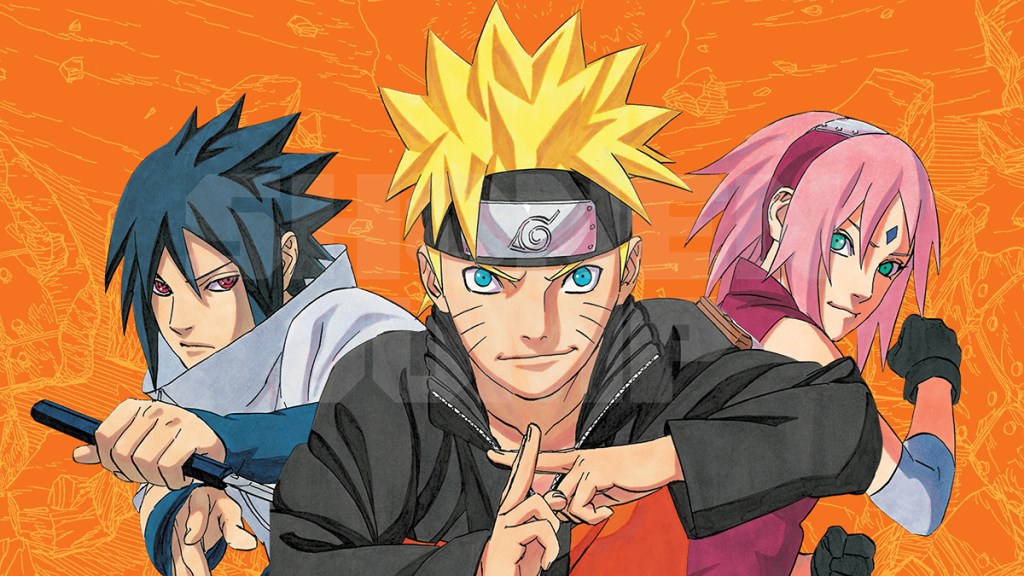
Naruto‘s conveniently timed television block and surprisingly moderate censorship compared to other, similar, series being localized at the time helped the anime rapidly grow in popularity, and became one of the most popular shows with young teens at that time. So much so, that with the anime and manga releasing around the same time, Naruto began topping USA Today‘s bestseller list, and won the Quill Award for Best Graphic Novel in 2006 — which was a first for manga as a medium. As the series began dominating pop culture, North American toys and merchandising companies like Mattel began releasing small, posable action figures featuring popular characters like Naruto, Neiji, and even antagonists who only appeared in specific story arcs, like Zabuza.
Needless to say, the anime was a huge success in the western anime market at the time, and the shows massive ratings with tweens — specifically, reaching heights of 572,000 viewers between the ages of 9-14, spiking 20% from where the channel was initially. Its success allowed Cartoon Network and Toonami to shift its focus, focusing on edgier content geared toward teens, paving the way for another one of shonen’s “Big Three,” Bleach to make its way onto Cartoon Network and Adult Swim in 2006. The series hit at the perfect time, with Dragon Ball Z having wrapped its English release just before Naruto made its debut to fill the void left behind by its predecessor and ushering in a new age of shonen for anime fans.
What Made Naruto Stand Out Compared To Other Shonen From The Era
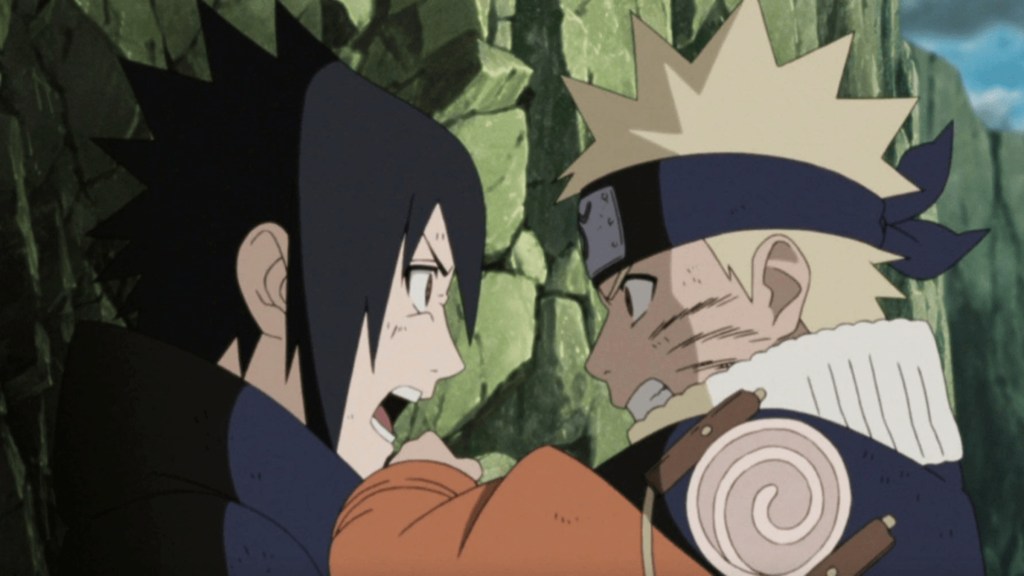
Sure, Naruto is filled with action-packed fights and stunningly animated ninjutsu abilities that can catch the eye of someone mindlessly flipping through channels, but what really caught the attention of so many young anime fans when the show initially aired was how masterful Naruto was in delivering a gut-wrenching underdog story about found family, acceptance, and self love. Following the titular Naruto, the series very quickly introduces its audience to a disobedient, attention-seeking boy with no family, no friends, and some mysterious “thing” plaguing his existence and keeping everyone at bay. In the very first episode, Naruto only has his beloved teacher Iruka to help guide him, and after seemingly being tricked into stealing a powerful scroll, Naruto proves to Iruka that he’s more than capable of learning and adapting to powerful ninjutsu when it matters most.
From there, the early episodes introduce an ensemble cast of other up-and-coming ninja residing in the Hidden Leaf Village, and Naruto’s own teammates, the ever-iconic Sasuke Uchiha and Sakura Haruno. Despite Naruto introducing so many characters, which in many shows can slow down the pace of storytelling or make certain arcs convoluted, the original anime paces itself quite well for the number of individual stories it juggles. In that, each character, especially the core cast in Team 7, are given ample time to develop and become someone’s favorite. Exploring a variety of team-ups with different cast members as they grow and develop as ninja makes it easy to root for every character, even if they’re initially introduced as being antagonistic. All in all, Naruto had the perfect formula to dominate western television on launch, and its enduring popularity is a testament to the impact it had.
More Anime
-
Image courtesy of J.C. Staff -

Image Courtesy of Pierrot -

Image Courtesy of White Fox / Crunchyroll -

Image Courtesy of Shueisha -

Image Courtesy of MAPPA