Anime can seem overwhelming at first. Some shows move slowly, others throw ideas at you faster than you can follow, and a few simply expect patience. It’s easy to stop watching and assume it’s not your thing.
Videos by ComicBook.com
But the effort usually pays off. Once you get used to the rhythm and storytelling style, the stories feel richer and more creative. You start noticing how much thought goes into characters and themes. The same anime that first felt confusing can later become one of your favorites — proof that sometimes all it takes is a little time and curiosity.

10. Neon Genesis Evangelion (1995)
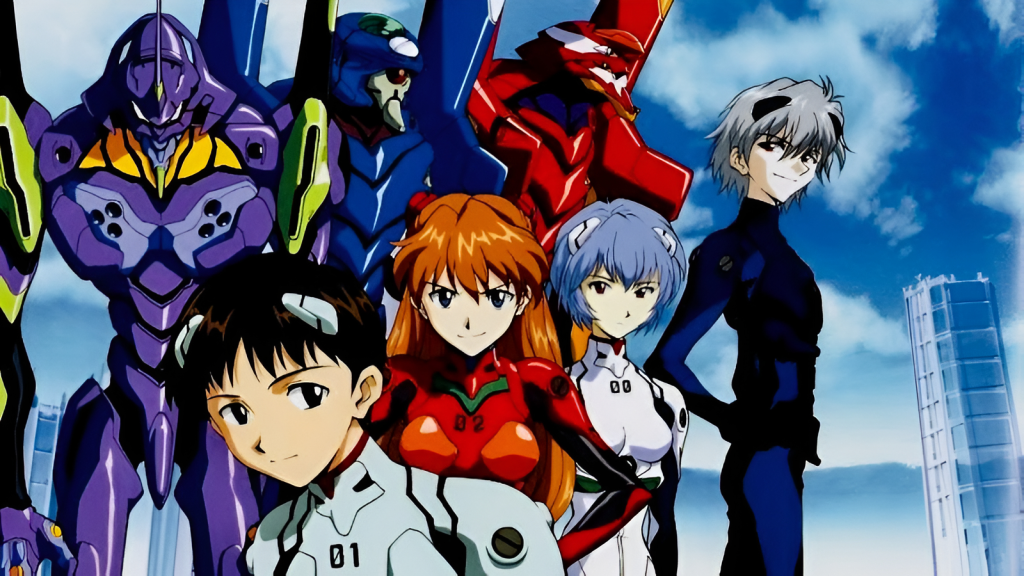
Few series have shaped anime culture like Neon Genesis Evangelion. The anime looks like a standard mecha show about teens piloting giant robots. What it actually delivers is a dense study of trauma, depression, and existential dread. The final episodes fracture the narrative into raw psychological exploration, which can be alienating to first-time viewers.
Evangelion requires patience and curiosity to enjoy. Its symbolism draws from religion, psychoanalysis, and philosophy, demanding your attention even when the plot gets opaque. Yet, for those willing to sit through the confusion, it’s a deeply rewarding experience that changed how anime approached storytelling forever.
9. Serial Experiments Lain (1998)
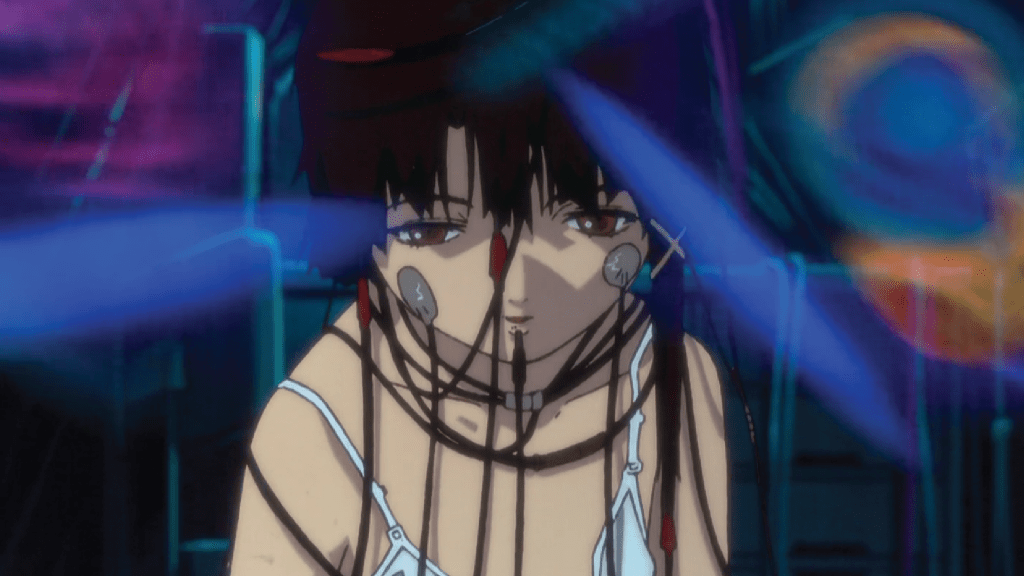
Lain throws viewers into an abstract digital maze that refuses to hold your hand. Every scene feels like a puzzle about identity, consciousness, and the early internet’s effect on humanity. The pacing is slow and the visuals intentionally disorienting, leaving many first-timers wondering what they just watched.
What makes Lain worth tackling is how far ahead of its time it was. It predicted the blending of online and real-world identities years before social media existed. For anyone fascinated by tech paranoia or cyber philosophy, it remains one of the most haunting and prophetic anime ever made.
8. Monogatari Series
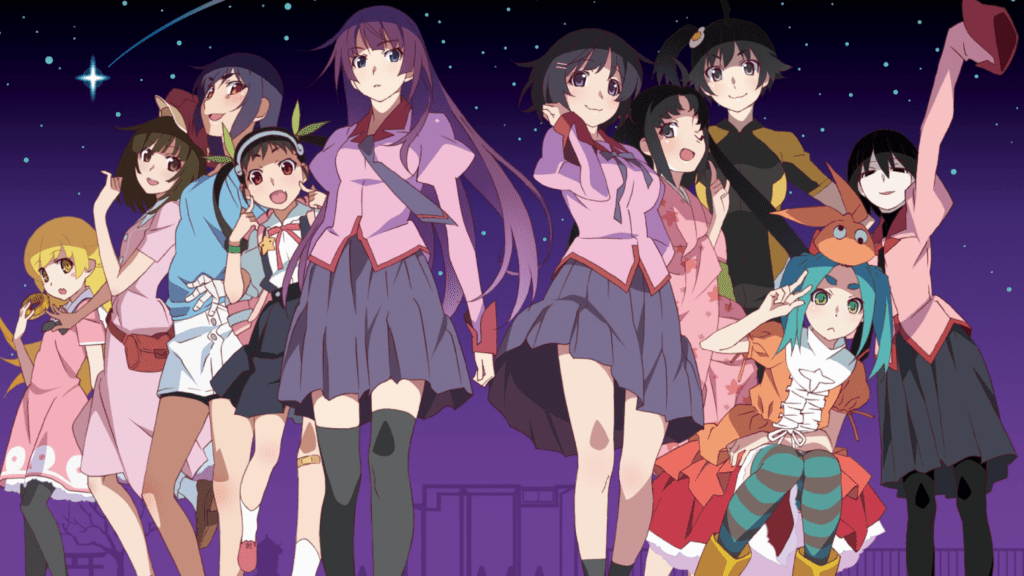
The Monogatari series bombards you with rapid dialogue, wordplay, and eccentric characters. The direction jumps between visual metaphors and symbolic imagery faster than most can process. Each arc feels like a new riddle wrapped in beautiful chaos.
The wordplay and visual creativity make Monogatari feel alive in a way few shows achieve. It takes focus, but once you sync with its rhythm, it becomes one of the cleverest and most emotionally honest anime of the past two decades.
7. Paranoia Agent (2004)

Satoshi Kon’s Paranoia Agent unravels the shared anxieties of city life through an urban legend about a boy with a golden bat. It begins like a detective thriller but transforms into a surreal web of fear, guilt, and societal pressure. Its shifting perspectives can feel bewildering, especially when reality itself starts to collapse.
Kon’s ability to blur dreams and truth makes Paranoia Agent unforgettable. The series functions as both mystery and social critique, exploring how escapism and rumors consume modern people.
6. Ergo Proxy (2006)

Bleak, atmospheric, and philosophical, Ergo Proxy hits viewers with dense world-building and a relentlessly introspective plot. The grim, post-apocalyptic setting mixes cyberpunk aesthetics with introspection about what it means to be human. Its dialogue often reads like a philosophy lecture, which can drive away the unprepared.
For those who persist, Ergo Proxy rewards you with a compelling narrative about identity, memory, and emotional awakening. Every rewatch peels back new thematic layers, making it a perfect choice for viewers who appreciate allegorical storytelling wrapped in a moody sci-fi mystery.
5. Texhnolyze (2003)
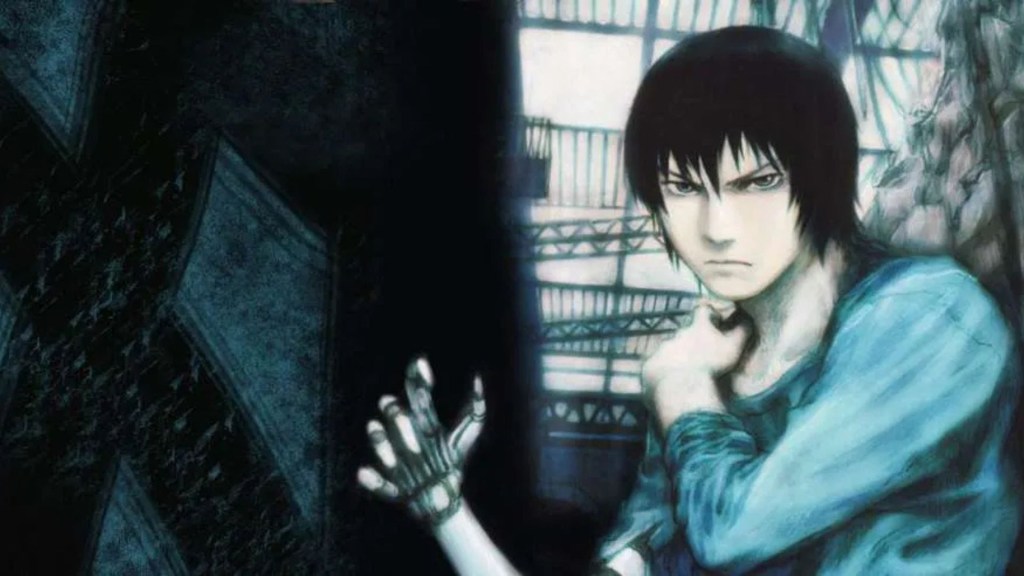
Texhnolyze challenges patience and willpower like few other anime. The first episode barely contains dialogue, relying instead on bleak imagery and mood to build its dystopian world.
The show’s emotional impact creeps in slowly, hitting harder once its nihilism fully settles. For those who can embrace its deliberate pacing, Texhnolyze becomes an unforgettable meditation on hopelessness and survival. It’s not easy viewing, but its haunting atmosphere lingers long after the credits roll.
4. Legend of the Galactic Heroes (1988–1997)
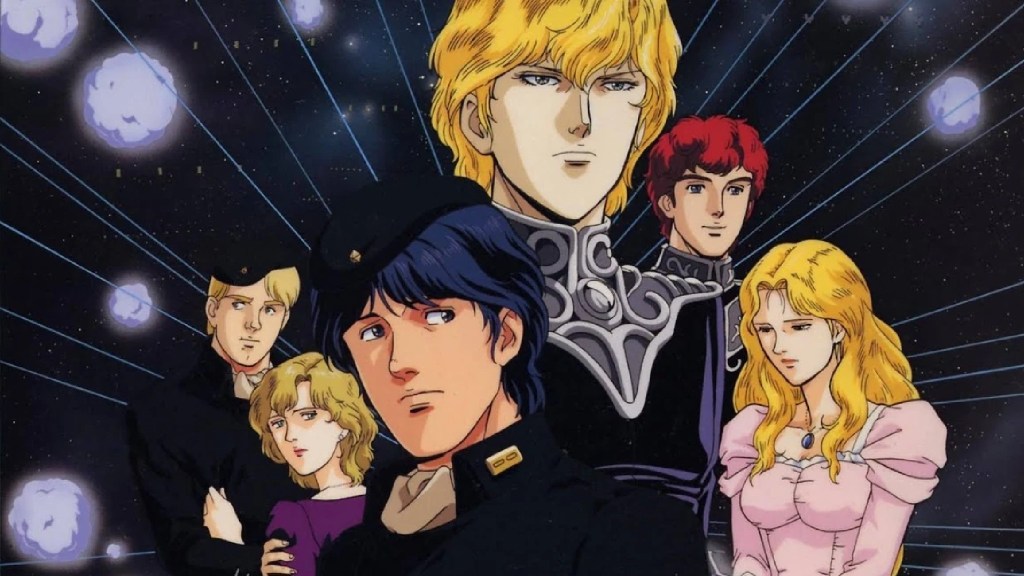
With over a hundred episodes of political intrigue and military strategy, Legend of the Galactic Heroes can overwhelm newcomers. The show thrives on dialogue-heavy storytelling, massive casts, and intricate bureaucratic maneuvering. Keeping track of alliances and motivations is part of the endurance test.
Beyond its scale lies one of the finest space operas ever written. The moral complexities, historical parallels, and human dramas elevate it above simple conflict. For anyone willing to commit, Legend of the Galactic Heroes offers a thoughtful, mature look at power, leadership, and how ideology shapes history.
3. Revolutionary Girl Utena (1997)
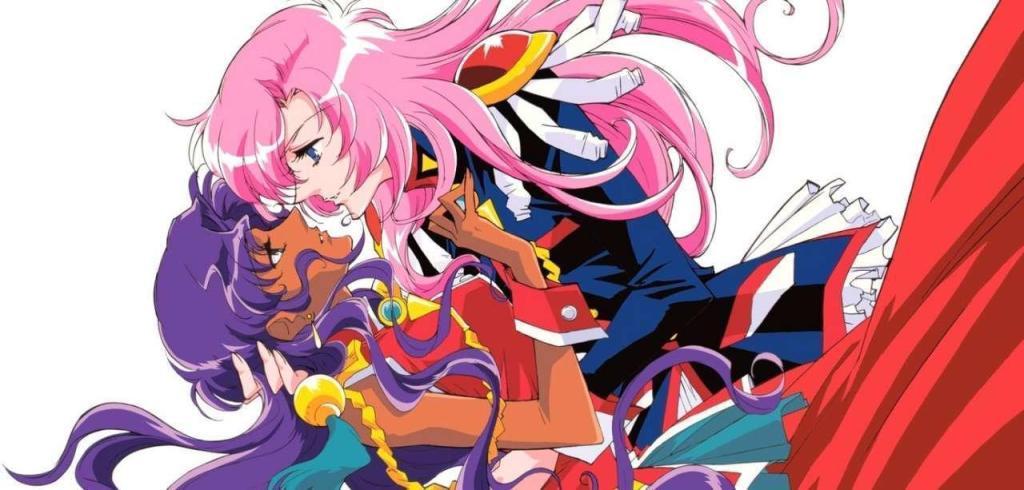
Utena delivers surrealism in full color. Its use of repetition, symbolism, and theatrical framing feels deliberately disorienting, making it tough to follow linearly.
What makes Utena brilliant is how it deconstructs both gender roles and storytelling itself. Every duel, every cryptic exchange, challenges the viewer to question societal expectations. Once the patterns become clear, the series transforms into an emotionally explosive masterpiece of avant-garde anime.
2. Made in Abyss

Made in Abyss looks like a whimsical adventure with cute designs and a childlike tone. The deeper it goes, the more brutal it becomes. Watching innocent protagonists endure horror and ethical dilemmas is emotionally devastating, even for seasoned fans.
Despite its darkness, Made in Abyss embodies wonder and danger in perfect balance. Its world-building and emotional storytelling are astonishing. The tension between innocence and cruelty gives it an unmatched depth that resonates long after the final episode.
1. Tatami Galaxy (2010)
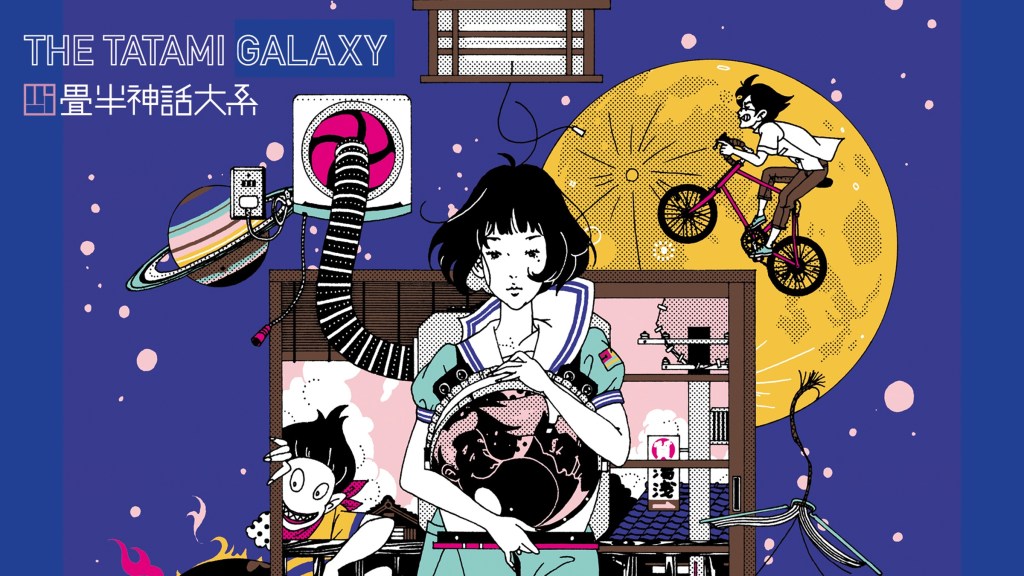
The Tatami Galaxy races forward with words at lightning speed. The narrator’s monologues feel like endurance tests, filled with humor, regret, and self-analysis. The animation bursts with surreal creativity that reflects the chaos of college life and missed opportunities.
Its structure — replaying college years with different choices — turns into a clever examination of indecision and self-awareness. Once you adapt to the frantic pacing, it becomes an exhilarating and bittersweet experience. Tatami Galaxy overwhelms at first, but understanding its rhythm feels like solving a personal puzzle.
What do you think? Leave a comment below and join the conversation now in the ComicBook Forum!
Most Viewed
-

Image courtesy of Marvel Studios -
Image Courtesy of Marvel Comics