Jujutsu Kaisen Modulo, the sequel to Gege Akutami’s magnum opus, has come to an end after six months of serialization with a total of 25 chapters. While it was a short run, the manga generated a lot of buzz, which is not surprising, as it is a direct extension of Jujutsu Kaisen, taking place almost seven decades after the original timeline. With many fans not satisfied with the ending of the original series, the sequel served as a perfect extension of the story.
Videos by ComicBook.com
However, the sequel has also come to an end, and while it arguably delivers a better ending than the original, Modulo’s conclusion isn’t without flaws. The series’s short run once again makes the ending feel rushed, and there are other elements, particularly in three key ways, where the sequel ultimately fumbles its ending.

3) The Main Fight Doesn’t Conclude
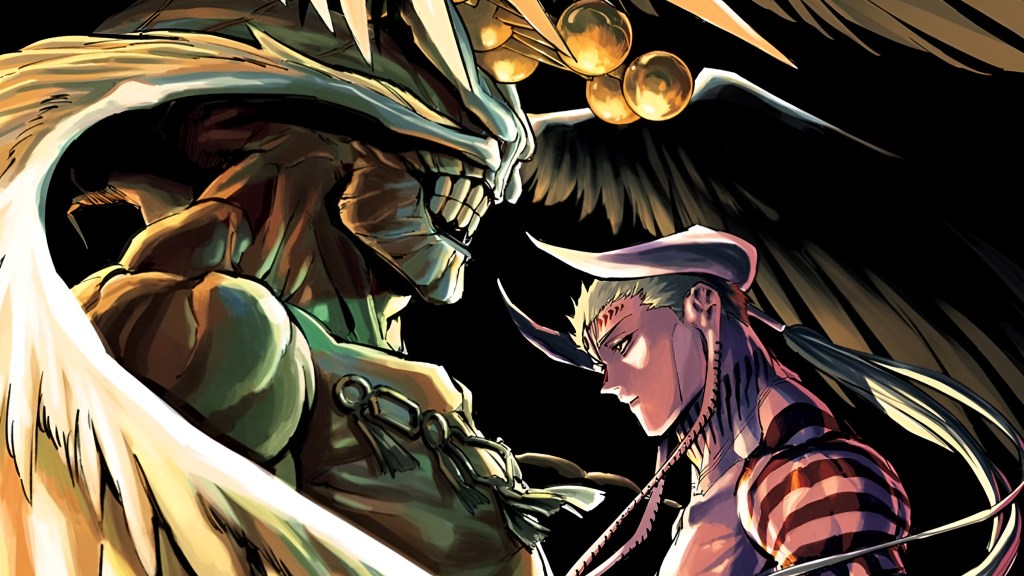
Considering that Jujutsu Kaisen Modulo is an action shonen manga series, it was expected that a major fight would be featured in its ending. While it did include a significant battle, Dabura vs. Mahoraga, the series ultimately didn’t conclude the fight. The battle only lasted a couple of chapters, which was expected due to the series’ short run; however, not resolving it is where the main problem lies.
Just as the fight began to get interesting, with Dabura achieving new heights in sorcery while Mahoraga continued adapting to Dabura’s techniques and even his very existence, the series abruptly ended the battle by having Dabura forfeit and leave the planet. While this serves as a fitting ending for Dabura, the sequel should have at least concluded the fight by making the winner clear instead of leaving it ambiguous.
2) Coexistence Is Magically Accepted
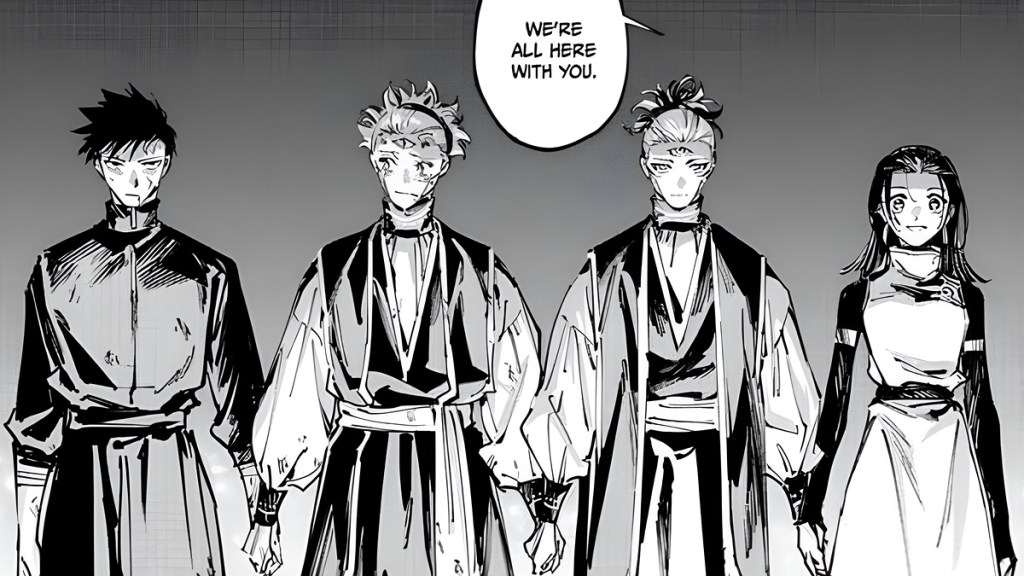
The main premise of Jujutsu Kaisen Modulo begins with the Simurians seeking a place to live on Earth and aiming for coexistence with humans. Naturally, accepting such a major change was always going to be difficult for both races, which is why the conflict eventually culminates in the fight between Dabura and Mahoraga near the end. However, the series abruptly suggests that after the erasure of Cursed Energy, both sides mutually agree to coexist.
This doesn’t fully make sense, considering that coexistence isn’t a subjective issue that would simply resolve with the removal of Cursed Energy. In fact, with Dabura gone, oppression from sorcerers or humans would have been a natural expectation, along with divisions among humans who support coexistence and those who oppose it. However, Modulo ends on a definitive note that coexistence is globally accepted, leaving no ambiguity, threat, or tension surrounding it, which ultimately makes the ending fall short.
1) Definitive Conclusion Ends the Franchise
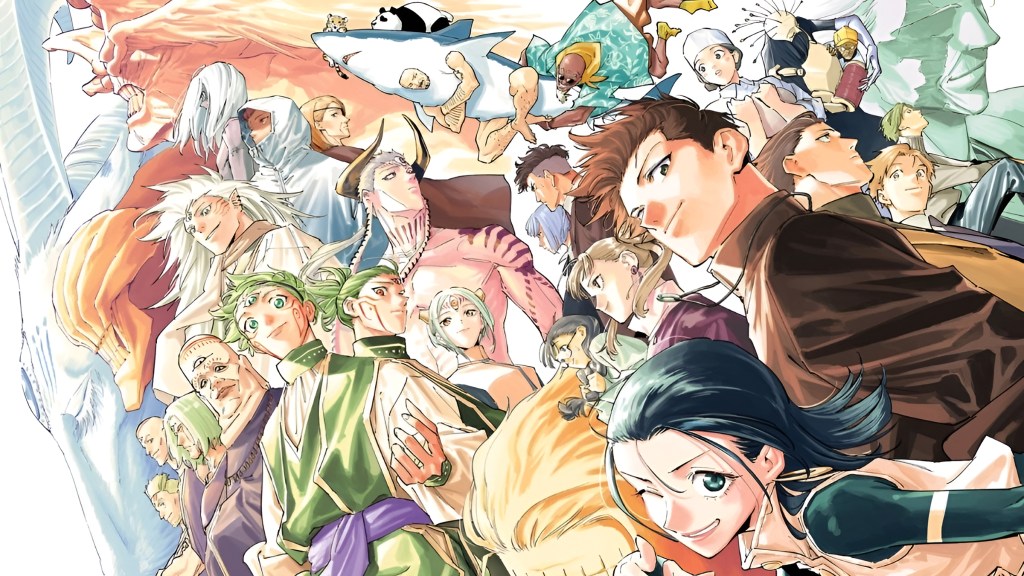
The reason why Jujutsu Kaisen Modulo’s ending feels better than the original’s is that the sequel delivers the kind of definitive conclusion many expected from Jujutsu Kaisen. With the erasure of most Cursed Energy, the Jujutsu Society is inevitably set to come to an end. However, the sequel’s strongest element in its ending also becomes its biggest fumble.
With no room left for Cursed Energy and a definitive end to Jujutsu, the story effectively closes the franchise as a whole, leaving no room for it to ever return. Considering that Jujutsu Kaisen’s concept of Cursed Energy and jujutsu was one of the most refreshing and darkest in shonen, fans would have surely welcomed more from the franchise. However, Modulo’s definitive conclusion removes that possibility and ends the series in a way that prevents future stories. If it were to return, it could face a situation similar to Dragon Ball GT, often regarded as the franchise’s black sheep and treated as non-canon in the long run.
What do you think? Leave a comment below and join the conversation now in the ComicBook Forum!
Most Viewed
-

Image Courtesy of Netflix -

Image courtesy of Marvel Studios -

Courtesy of Crunchyroll -

Courtesy of Eight-Bit -

Courtesy of SuperGiant Games