Comic books are a special medium. Also called graphic novels, these books combine art and words to create something new that combines the greatest elements of both and generates something truly unique. When the medium is on full display, it can craft stories that couldn’t exist anywhere else, but that doesn’t mean that incredibly talented people haven’t tried. Occasionally, a comic book becomes so beloved that people want to dig even deeper into it than the comic allowed, so the graphic novel is adapted into a traditional novel. There’s always something lost in translation, but there’s also a whole lot to gain in this jump. Today, we’re looking at five novelizations of Marvel and DC comics and dissecting exactly what makes them so good and, depending on who you ask, even better than the stories they were based on.
Videos by ComicBook.com
5) Daredevil: The Man Without Fear
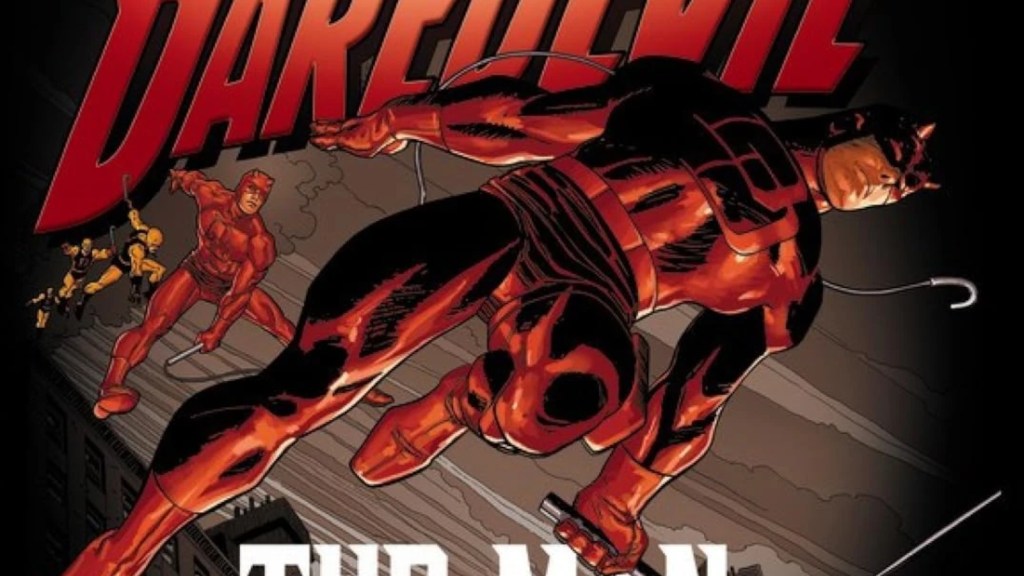
Author: Paul Crilley
This classic five-issue miniseries was adapted into a 283-page novel, exploring Matt’s childhood and transition into the man who would become Daredevil. Just like Miller’s foundational work, this novel takes us through Matt’s life, exploring the various influences that forged him into the man he is. From his complicated but loving relationship with his father to his passionate connection with Elektra, everything is here, but they are dove into with new depth and time. The greatest things about this novel, easily, are the additional scenes and lingering moments that focus on how each character feels and their reasoning for what they do.
In his prime, Miller was a master of saying everything he needed to about a character without digging into the emotions themselves. He had a less-is-more style that showed rather than told the important emotions, leaving that mostly to the art. When it works, it works very well, but his work tends to come off as distant because of it. This novel, however, spends pages examining how each important moment affects Matt and others. It was a treat to slow down and sit in Battlin’ Jack’s resentment of how his life turned out, making every moment with him hit even harder. Matt’s inner struggles are so much more vivid, as this book knows exactly when restraint is necessary, as well.
4) The Death and Life of Superman
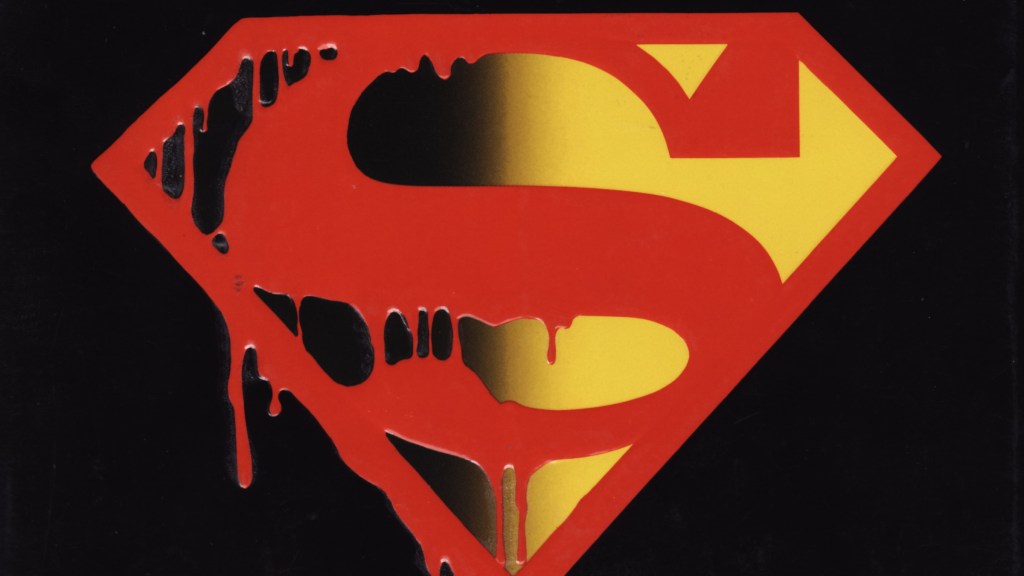
Author: Roger Stern
This novel adapted not just the classic “Death of Superman” story, but also its two immediate follow-ups in “Funeral for a Friend” and “Reign of the Superman,” detailing the Man of Steel’s death and return to save the day once again. Of course, this book was also written by the legendary Roger Stern, who also helped pen the original comic this was based on. That gave him a unique perspective that elevates this book by leaps and bounds, as Stern knew exactly what to focus on. This novelization was effectively a chance to retell this story as it felt to him, not just as the comic books demanded it must be formatted.
The most obvious example is in how it began, as chapter one kicks off with Superman saving John Henry Irons, which wouldn’t be revealed until much later in the comics, which aimed to keep the mystery of the four Supermen alive. It’s that kind of focus that places heart at the front of this adaptation. It knows exactly what made the comic work and hones in on those moments, all while also doing an incredible job of condensing and introducing necessary comic book lore in a way that any new reader could pick this book off the shelf and understand it. This work places the heart of the story before everything else, with a clear love for the source material, and that shines through to create an adaptation that makes us live the story in a new but equally delightful way, focused on emotions instead of the novelty of Superman being dead.
3) Civil War
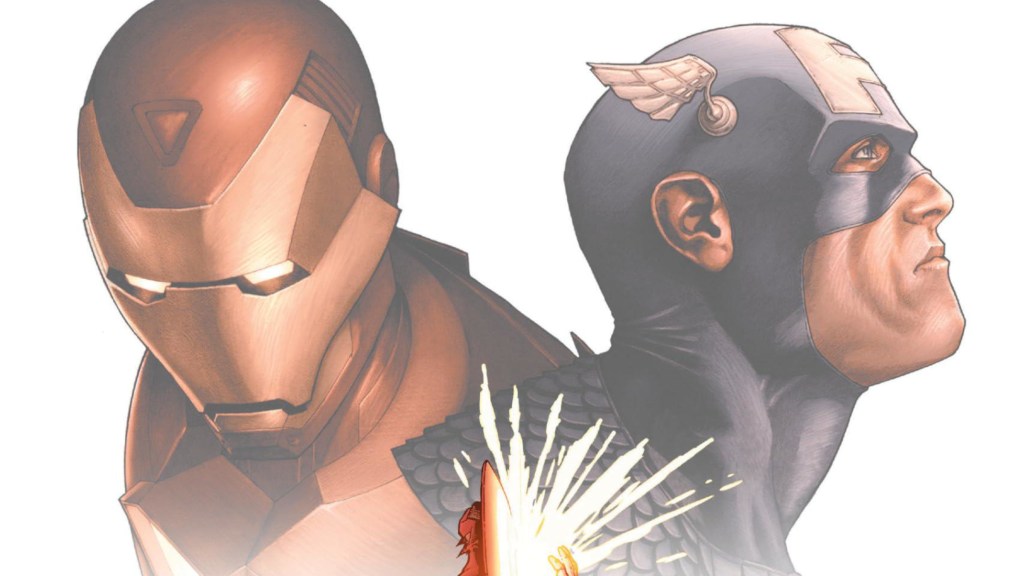
Author: Stuart Moore
The “Civil War” event is one of Marvel’s events that gets looked at less favorably with each passing year, but there’s no denying that the impact it had was massive, nor that it’s an idea that you can’t help but let ruminate around in your head. This novel understands that the premise of Captain America and Iron Man standing on opposite ends of this conflict is easily the most interesting part of this event, and it takes that in stride, spending a wonderful amount of time in each character’s head. The strongest parts of this novel, easily, are when we see the motivations that drive both men and push them farther and farther apart.
This novel also fundamentally establishes that this is different from the comic, bringing both the sliding timescale and retcons into account. The events were moved up to the year the book was released, setting it during Barack Obama’s presidency instead of George W. Bush’s, and even depicting Spider-Man post “One More Day” changes, meaning that he never married Mary Jane. It’s a wonderful look into what “Civil War” would have looked like to the heroes at that time. I’ll admit some bias for it, at least, given that I flipped through a few pages while I was a kid, and the description of Spider-Man’s battle against Iron Man as Tony chased him into the sewers has stuck with me ever since.
2) X-Men: Days of Future Past
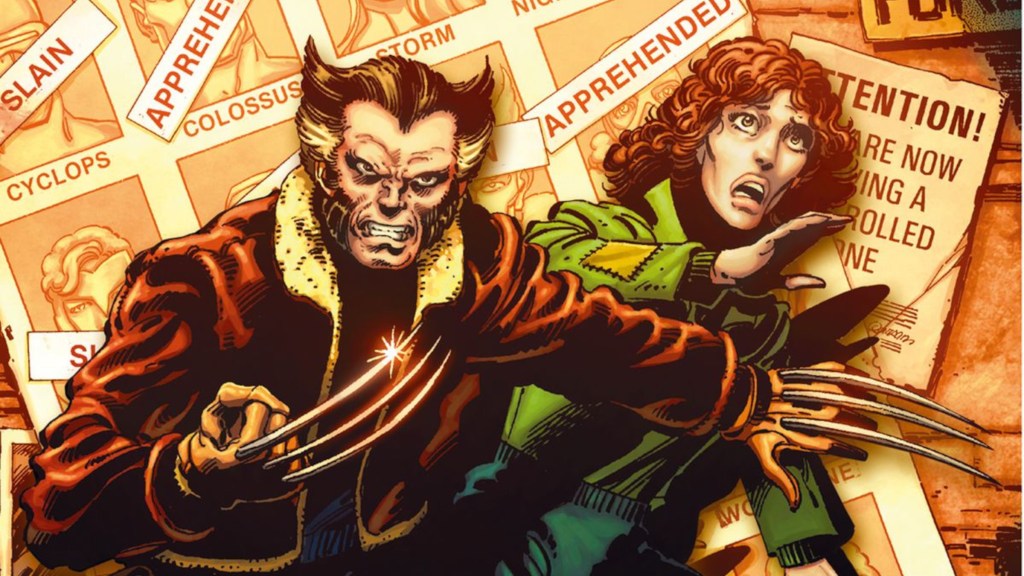
Author: Alexander Irvine
“Days of Future Past” is one of the X-Men’s most important storylines, and despite the fact that it’s just two issues long, it was adapted into a 254-page novel. The obvious question is where all of that extra content came from, and it emerged from a combination of exploring everything added to the original story after the fact and taking it in its own direction. “Days of Future Past” has a truly inordinate number of sequels, and this novel draws most directly on the expanded history Rachel Summers wouldn’t get till far after the original comic. Her perspective, absent from the comic, adds interesting contrast and context, but the biggest change is the inclusion of Kitty Pryde waking up in her older body.
In the comic, Kitty was simply replaced by her older self, but the novel had them switch places. Chapters alternated between Kate trying to guide her friends towards stopping the apocalypse, and Kitty living a waking nightmare where the world she was still learning how to save was falling apart. The added perspective gives the story a ton of extra content to explore, and the jump between characterizations is wonderful. Kate and Colossus’s conversation before she travels to the past was especially wonderful, with even the add-ons capturing Peter’s voice perfectly.
1) Batman: No Man’s Land
Author: Greg Rucka
Just as with The Death and Life of Superman, this iconic Batman story was adapted by one of the many minds behind it, Greg Rucka. Of course, this is a special case, as this is the one novelization that actually cut far more content than it added. “No Man’s Land” was a year-long status quo change that was told across a hundred issues, and no single novel could cover everything and do them all justice. Instead, this adaptation glossed over most of the day-by-day activities, instead honing in on the largest emotional beats, such as Hutnress’s development, while replacing what it removed with dives into the characters the original focused too little on.
The big winners here are Renee Montoya, Cassandra Cain, and Harley Quinn. Renee’s dynamic with Two-Face is explored and built like nowhere else here, serving as a fantastic dive into both of their psyches. It also gave extra context to Harley’s introduction to the comics, given that this is where she hopped over from the cartoon. My personal favorite was definitely the extra attention given to Cass before her debut in the comics. Most of “No Man’s Land” seems to lead up to her debut, but she wasn’t seen until two issues before she became Batgirl. This novel takes the time to explore who she is, what she did, and how she fits into Gotham.
I could honestly go on about this novel all day. It doesn’t have the scale that makes the original comic so captivating and addictive, but it knows exactly what emotional beats need to build towards the fantastic moments that made the comic work. The opening chapters told from Barbara’s perspective are downright beautiful, and I was on the edge of my seat, even though I knew everything that was coming. I definitely recommend checking this out if you get the chance.
Which novelization of a comic do you think captures the spirit of the original the most? Let us know your personal favorite in the comments below!
More Comics
-
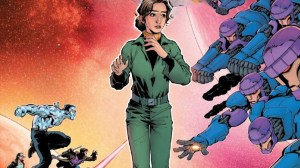
Image Courtesy of Marvel Comics -
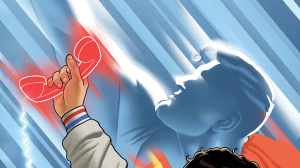
Image Courtesy of DC Comics -

Image Courtesy of Marvel Comics -
Image Courtesy of Marvel Comics -
Image Courtesy of DC Comics