2XKO is shutting down development by December 2026, marking a end to the game’s life cycle less than a year after its PC and console releases. There were many factors that led the 2v2 fighting game to this point, but comments from the development team pointed toward a lack of player stability to keep the game sustainable with the right audience. Citing that “fighting game players struggled to find reasons to stick with the game” in a Riot Games post on their official website, players have speculated why this occurred, and if it reflects a larger issue in the genre.
Videos by ComicBook.com
The continual costs to produce more 2XKO content was unsustainable with the stagnation of player engagement, at least according to Riot’s statements. This comes after substantial updates to the game, including new characters like Senna and Thresh revitalizing the game somewhat alongside regular balance patches. With other DLC and additional support for 2XKO still taking place until its doors close at the end of the year, the game’s other changes seem to address long-held fan concerns that could have created the stability Riot wanted if they were implemented earlier.
2XKO’s Internal Problems Don’t Detract From Player Retention Being A Big Fighting Game Problem
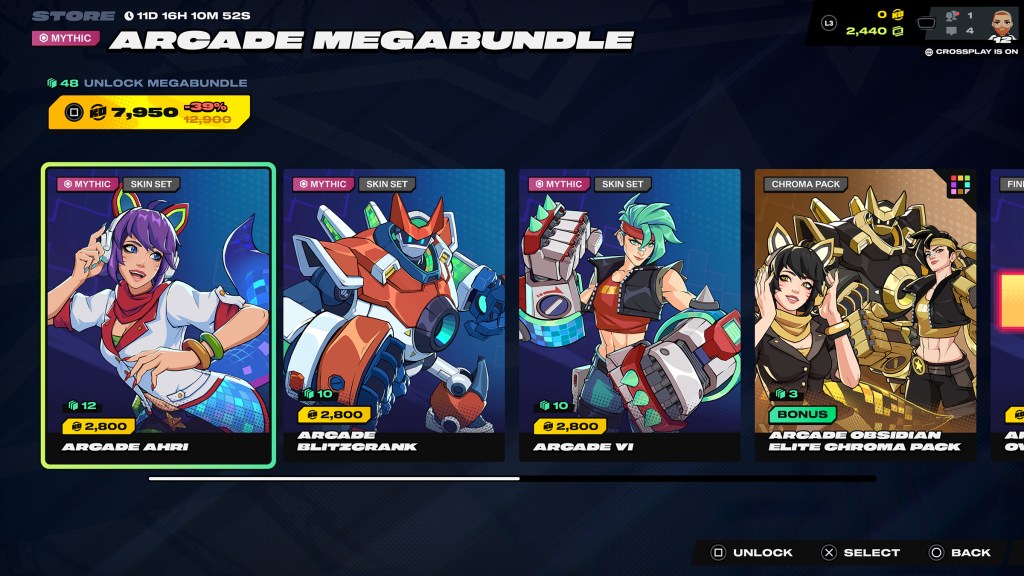
One of the biggest concerns with 2XKO before its shutdown announcement was how it handled its in-game purchases, from the method players had to follow to acquire roster fighters to the overly expensive cosmetics. The game’s small cast and delayed console release didn’t help its marketing either, despite incredibly well thought-out gameplay design and detailed characters with unique play styles. The interpretations of beloved League of Legends characters in 2XKO were top-notch, with a stylish art style that appealed to fighting game players initially.
Despite a free-to-play model for easier player entry, newcomers still struggled with difficult system mechanics that attempted to mitigate mechanical skill barriers. Calling in assists and executing special moves were simplified in 2XKO, but characters were deeply complex in different ways, especially if players decided to play with one of their friends as a Duo in multiplayer modes. Part of the appeal in 2XKO was that 2v2 battles could be done with four players each controlling a fighter, but the business practices behind the game ultimately overshadowed the good parts of it.
Riot Games’ overreach to try to make 2XKO profitable through terrible monetization certainly didn’t help the fighting game, but its innovative takes on the genre should have retained some type of fan base. Whether it was poor marketing or an aversion to microtransactions, 2XKO‘s failure to engage a sustainable audience is a problem many fighting games share. Typically, a fighting game’s largest crowd begins and ends upon launch, with players inevitably dropping out of a title no matter what merits it has.
A variety of fighting games struggle with player retention, with only a few exceptions. The overseas success of Street Fighter 6 over the years comes largely from its excellent foundation, while other games like Dragon Ball FighterZ struck gold due to its IP recognition. Other excellent entries in the genre, such as Fatal Fury: City of the Wolves, Tekken 8, and Guilty Gear Strive has slowly but surely lost big portions of their players post-launch. Each game has its reasons why this happens, whether its controversies around balance patches or poorly received DLC, yet it occurs with consistent frequency.
Future Games Within The Genre Will Need To Learn Lessons From 2XKO Despite Its Other Achievements
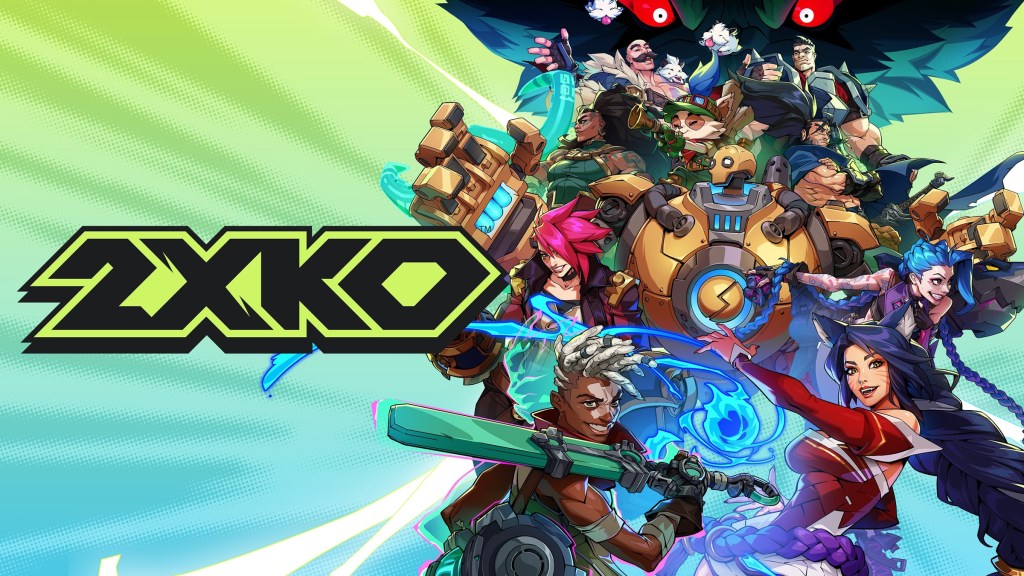
2XKO proves that you can do pretty much everything right mechanically with a fighting game, but still lose players to the point where you can’t continue. Even with great clarity to its community, interesting gameplay concepts, and legitimately fun systems, 2XKO could not overcome the fact that fighting games lose so much of their audience quickly after release. Other factors can accelerate this process too, as showcased by 2XKO‘s biggest criticisms driving players away by choosing not to fix them. Although there’s no such thing as the “perfect” fighting game, other studios looking for longevity need to learn from 2XKO.
The “lessons” from Riot’s fighting game will differ depending on who you ask, but some players might argue that the genre needs to be more responsive to what fans want ahead of time. For example, 2XKO‘s small roster size made many players say “I’ll just wait to play when the game has more characters,” preventing it from growing an audience early. By giving a fighting game more time to build out a more varied cast of characters, or at least a diverse one, players will be more interested to jump in on release day.
Players might stick around in a fighting game if the enjoyable parts of a title’s experience isn’t hard to reach. 2XKO‘s free-to-play model locked characters away, while a delayed console release made it hard for players to recognize when the game was actually available. Those approaches only really work for die hard fighting game fans willing to wait or grind for extra content. As a whole, making a fighting game for genre fans only limits your audience too, as not even hardcore players in the space will always be the niche within a niche you’re aiming for.
Regardless of the exact reasons why it failed, Riot’s 2v2 fighting game can hopefully find its community in spite of the business side of its company deciding to quite supporting it so soon. The shutdown of this game is abnormal, especially when you consider other struggle titles in the genre are still putting out content despite facing similar issues. However, 2XKO highlights how hard player retention is in fighting games, and how there is no clear solution to it, as far as we know.
More Gaming
-
Courtesy of Wizards of the Coast