When it comes to Telltale Games, the development group is known for their open-ended approach to the narrative of their titles, allowing players to craft a story based on their decisions. Although there is an illusion of choice in some of their biggest games, the first big Telltale hit was almost universally praised for the weight behind many big player decisions. Inspiring recent hits like Dispatch, many “choose your adventure” types of story-driven games wouldn’t exist without Telltale’s first major project.
Videos by ComicBook.com
Multiple Telltale games have evolved in different ways, oftentimes with one title becoming a Telltale series that expands one story into several Chapters released over a few years. Although Telltale was largely dissolved in 2018 due to financial collapse, the cancellation of the studio’s projects and mass layoffs have still seen many of its talented staff create story-driven adventures with other teams. At the same time, many of Telltale’s biggest successes still stand the test of time, being games that date incredibly well for fans who aren’t spoiled on their stories.
The Walking Dead: A Telltale Game Changed How Narrative-Driven Games Worked Back In 2012
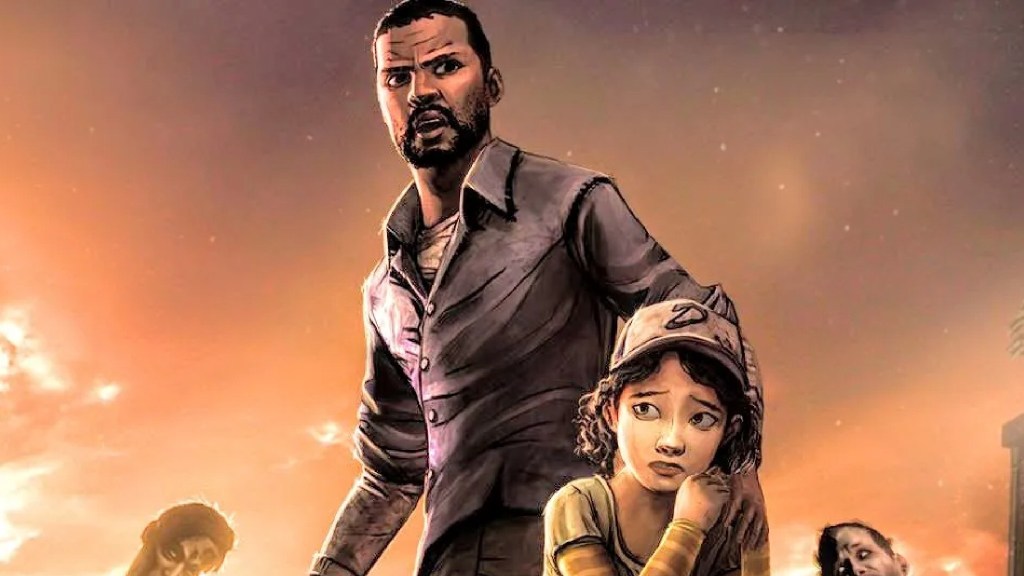
Once called The Walking Dead: A Telltale Game before being labeled as “Episode 1” of Telltale’s The Walking Dead series, this game single-handedly captured players in a way few narrative-driven titles ever had before. Establishing a formula Telltale Games would adopt for all of their games, the first Walking Dead Season is iconic, both for its heart-breaking ending and the way that player choices led to real, meaningful changes to the story. Many decisions were cinematic and dynamic, sometimes leading to important character deaths if players weren’t careful.
Set in the same universe as the extremely popular The Walking Dead TV show and comic, this game put players in the shoes of Lee Everett, a survivor of the outbreak apocalypse. During the events of the story, Lee becomes a protector of the young girl Clementine, forming a father-daughter bond long before other games like The Last of Us would do the same. The mentorship and trust between Lee and Clementine is incredibly compelling, forming an emotional core to an otherwise devastating tale.

Telltale’s The Walking Dead was far different from other single-player stories, as its focus on narrative didn’t quell excitement at any step. The way the game’s visuals were presented varied from top-down CRPG experiences or visual novels, where the narrative is usually shown in a static way. Through The Walking Dead Season 1, players were almost transported into an episode of TV, with camera shots or action mimicking the angles or cinematography seen from a show that was constantly in motion.
The movements in backgrounds weren’t the only elements of the game to add tension, as players were sometimes forced to make quick decisions during chaotic moments. One misstep during a scene could lead to character death, so players were encouraged to constantly pay attention to the pace of the story as it unfolded. This approach is part of what made Telltale’s The Walking Dead Season 1 one of the most praised narrative-driven games ever created, with many complimenting the title’s rich story, stylized art choices, and overall direction.
Telltale’s Approach To Story-Driven Games Would Inspire Many Other Great Titles

The Walking Dead Season 1 almost set an expectation for Telltale Games to meet with all their titles, which led to more success for games beyond that single series. Although future The Walking Dead story expansions would be hit or miss, other games like Telltale’s The Wolf Among Us, Tales from the Borderlands, or Batman: The Telltale Series would garner varying levels of acclaim. However, it’s impossible to talk about The Walking Dead Season 1’s success without talking about the “Telltale-like” genre it inspired of single-player choice-driven adventures.

The superhero world of Dispatch is a recent example of a game The Walking Dead Season 1 inspired almost 14 years after the first title’s April 2012 release. Dispatch has multiple routes depending on character choices, including several emotional moments based on what players decide to do. With a deliberate art style and work made by several ex-Telltale developers, the inspirations in that game are obvious.
Yet, it’s games like Until Dawn that are slightly less clear, until you dig into that horror game’s mechanics. Almost everything about the story of Until Dawn is shaped by player choices, often leading to sudden character deaths at times. Much like The Walking Dead Season 1, players sometimes have to make choices on the fly in Until Dawn, quickly following prompts or picking a path forward that could lead to vastly different results. Other games like the Life is Strange series, Heavy Rain, and Detroit: Become Human also follow this approach for their own unique narratives.
Although the quality of narrative-driven games can vary greatly depending on the themes and presentation of the story it tells, there’s no denying that Telltale’s big hit set a blueprint many others tried to follow. Even nearly a decade and a half later, Telltale’s The Walking Dead Season 1 remains many players’ favorite game from the studio, with its risky approach at the time creating something innovative alongside a great story.
What is your favorite Telltale Games story of all time? Leave a comment below or join the conversation in the ComicBook Forum!
More Gaming
-
Image Courtesy of Kwalee -

Image Courtesy of Sony Interactive Entertainment