Even though it’s possible to obfuscate a game’s true quality, some titles just have an unmistakable stink surrounding them. It’s not always a huge shock when a game riddled in controversy turns out to be bad or when poor trailers actually paint an accurate picture of a mediocre experience. However, the opposite is sometimes true, too. There have been many games over the years that have overcome franchise fatigue or development troubles and ascended to greatness. It’s rare, but it does happen.
Videos by ComicBook.com
As such, here are three games that turned out well despite looking like they’d likely be terrible.
3) Silent Hill f

Silent Hill has been in a downward spiral for some time. The standard set by the original trilogy may have been impossibly high, but most of the games that followed came well under that quality bar. Silent Hill: Origins, Silent Hill: Homecoming, Silent Hill: Downpour, and Silent Hill: Book of Memories range from excessively mediocre to downright terrible. Not even Silent Hill 2 and Silent Hill 3 were safe, since the technically abominable Silent Hill HD Collection did its part in tarnishing their reputation. P.T., one of the few high semi-recent marks, was pulled after rave reception in response to the promising Silent Hills being canned and Konami’s fallout with Hideo Kojima.
This tumultuous journey meant that any new title would also draw ire since it seemed inevitable that it would just continue this streak of bad luck. Silent Hill f was the brand-new entry that was positioned to help spearhead Konami’s revival, but, while it had an interesting reveal trailer, the developer attached to it sent up big red flags. NeoBards Entertainment was heading development, a studio best known for leading the terrible Resident Evil multiplayer games Resident Evil Resistance and Resident Evil Re:Verse. It just seemed like Konami was once again seeking out a relatively cheaper team to lead such a seminal series instead of making deals with developers with more relevant experience.

But against all odds, Silent Hill f is one of the best Silent Hill games. Freaky enemy design and a crushing atmosphere give it horror game chops, but its ability to focus on its narrative and maturely handle some heavy topics is what makes it a true Silent Hill game. Silent Hill f tackles gender roles in 1960s Japan without pulling its punches or traveling down overly familiar roads. It gets deeper after each run, too, since the additional collectibles that pop up add more and more context to the wider narrative. All of this culminates in its wild final ending that is a natural extension of its existing metaphors and social commentary that also rewards those who have paid attention.
Since the series was in such a rut, Silent Hill f could have just been a passable horror game with a semi-interesting story and been just fine. But its ability to go above and beyond and have a well-woven tale worth dissecting gives it the true staying power it needed to live up to the best installments that came before it. And its ability to do all of this without merely copying Silent Hill 2 is yet another impressive part of Silent Hill f and one more reason why it’ll age well.
2) Until Dawn
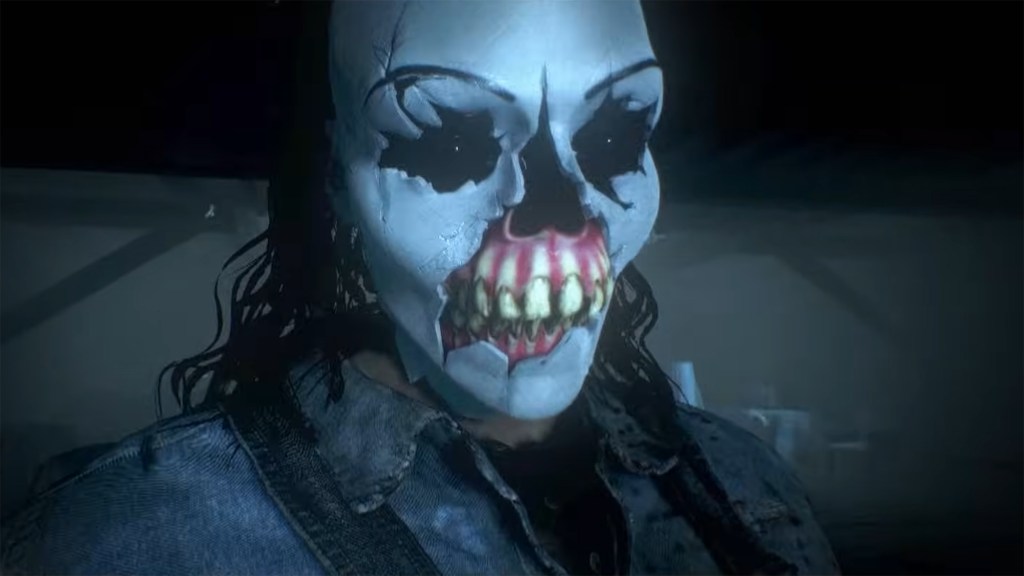
The Until Dawn that came out in 2015 was not the Until Dawn players first saw during its reveal. It was originally announced as a PlayStation Move title in 2012, meaning players would have to play it with PlayStation’s ill-fated Nintendo Wii-like motion controllers. This already isn’t the most promising setup since the motion controller fad was already on its way out at that point. The PS3 version was also canceled and moved to the PS4, further adding to the notion things weren’t going according to plan.
Starting out as a motion controller game before shifting formats and generations were not promising qualities. However, these changes ended up being the right decisions because Until Dawn was better than many likely anticipated. Former president of SIE Worldwide Studios Shuhei Yoshida said the game’s success shocked the team, and it has since become Supermassive Games’ most beloved title; it has an average review score of 79, six points higher than the team’s second-best reviewed game.
A game stemming from a publicly turbulent development cycle and being rather great is already remarkable, but its ability to do that while also pushing the genre forward is what makes Until Dawn even more impressive. It took the choice-driven story concepts from Quantic Dream’s gameography and injected horror into them, which made for a clever combination. Characters often die in horror films and the variability of the narrative adventure game genre makes for a natural fit. This variability matched with the ability to subvert tropes or fall right into them also gave Until Dawn’s narrative more depth and staying power. This feat was impressive then but is also even more impressive now since Supermassive Games has more or less failed to capture that same magic with its suite of narrative adventure horror games that haven’t been received nearly as well.
1) Dead Island 2
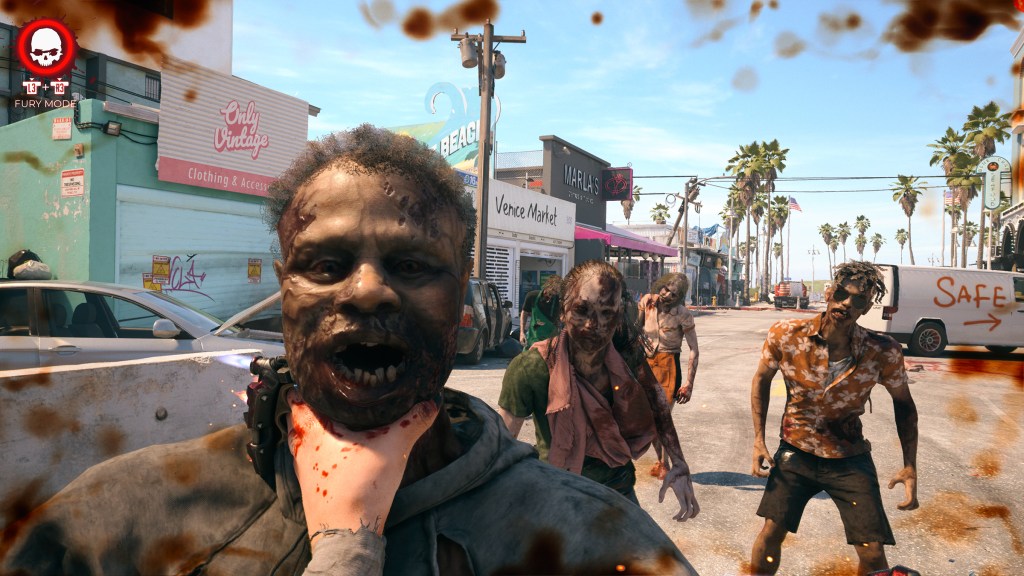
And while Until Dawn changed around quite a bit before release, its journey is child’s play when compared to Dead Island 2. This sequel went through four different developers: Techland, Yager Development, Sumo Digital, and finally Dambuster Studios. Not much was known publicly in the many years leading up to its launch, but it wasn’t a good look for Dead Island 2 when the only news to come out about it was when a new developer was taking over. It was long bouts of silence that were, at multiple points, punctuated by the reveal that it was changing hands.
It’s not promising when this happens once — let alone more than a few times — and multiple years go by without any notable progress. Later stories gave insight into some of these failed iterations, as Deep Silver was giving Yager some ridiculous feedback that was also incongruent with the specs of the consoles of the time. Not much is known about Sumo’s version of the game, but it was clearly not up to Deep Silver’s standards and only prolonged Dead Island 2’s development cycle.
All of this turmoil made it all the more surprising that Dambuster was able to create a great zombie game that didn’t feel like it was slapped together out of obligation à la Duke Nukem Forever. It had shockingly funny writing, extraordinary gore technology, and a dense world layout that wasn’t weighed down by years of meaningless bloat, the latter of which was a conscious decision made in order to prioritize “quality over quantity.”
Dambusters had also previously failed to breathe life into a flailing project past onto it. After running into trouble at Crytek, Deep Silver passed Homefront: The Revolution onto Dambuster. Things did not go smoothly, as the buggy mess was excoriated by critics and led to it receiving an average score of 48. It seemed likely that this would happen again, but, despite being in an eerily similar predicament for a second time, Dambuster was able to do the impossible and create a sequel that didn’t reflect the instability that had haunted it for nearly a decade. The studio is also currently working on Dead Island 3, a project that will undoubtedly have less chaos surrounding it.
What do you think? Leave a comment below and join the conversation now in the ComicBook Forum!
More Gaming
-

Image via Wit Studio -

Courtesy of The Pokemon Company International / Aardman