Some games are released with tons of controversy, being universally slammed for poor gameplay, stories, monetization practices, or some combination of multiple elements. However, a variety of memorable titles were divisive not because they were strictly “bad,” but because they had features that portions of their audience actually enjoyed. In the most extreme cases, there are games that have plenty of hate and love in equal measure, creating arguments that still get brought up years after their initial release.
Videos by ComicBook.com
Oftentimes, games that have split receptions are experimental, with systems not considered “traditional” by comparison to other titles in its genre. This can work out in a game’s favor by making it memorable, but depending on its execution, this approach might turn players away rather than entice them into an unorthodox experience. Taking risks doesn’t always work out, sometimes appealing to one half of an audience but leaving the other half in the dark.
3. Death Stranding
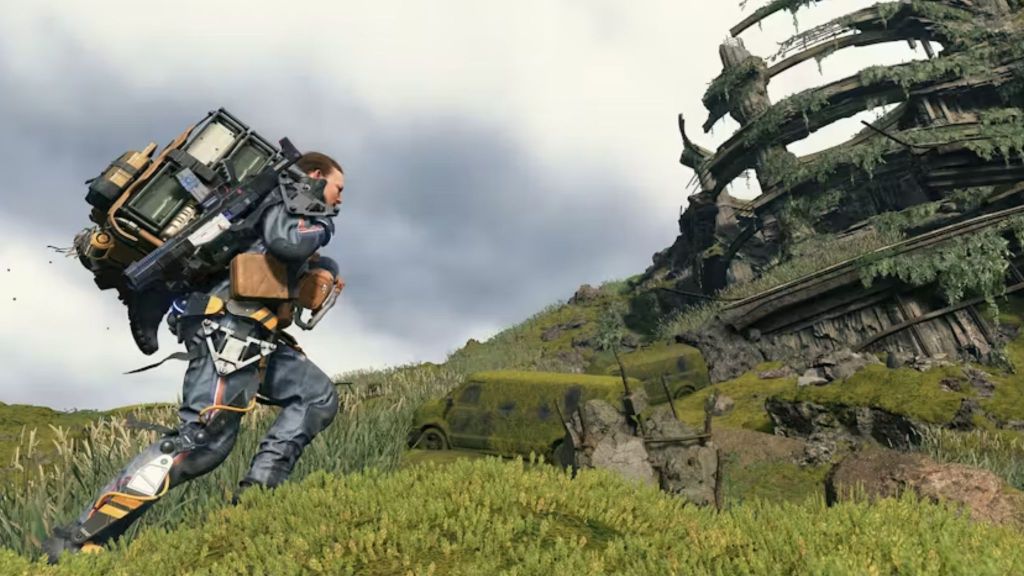
The idea of a risky concept is one that legendary gaming creator Hideo Kojima thrives on, seen best in the original Death Stranding. This game is notorious for its intentionally difficult gameplay, which relies on players transporting goods across vast open spaces in long missions that sometimes take hours to complete. These deliveries are tough, as every little bend, twist, climb, or descent in the world’s natural landscape could cause you to fall and lose everything.

However, it’s the symbolism behind this gameplay that crafts Death Stranding‘s thesis. As you journey, the efforts of others can ease your path, reflecting the game’s idea of unifying a world of people stranded from each other. To this day, players argue if the struggle of the gameplay is worth this kind of story telling, with many citing the dialogue and story being too heavy handed in its execution. Yet, others greatly enjoy Kojima’s direction, describing the title as oddly cozy as an artistic project with a lot more to say than other games in the modern day.
2. Dark Souls 2
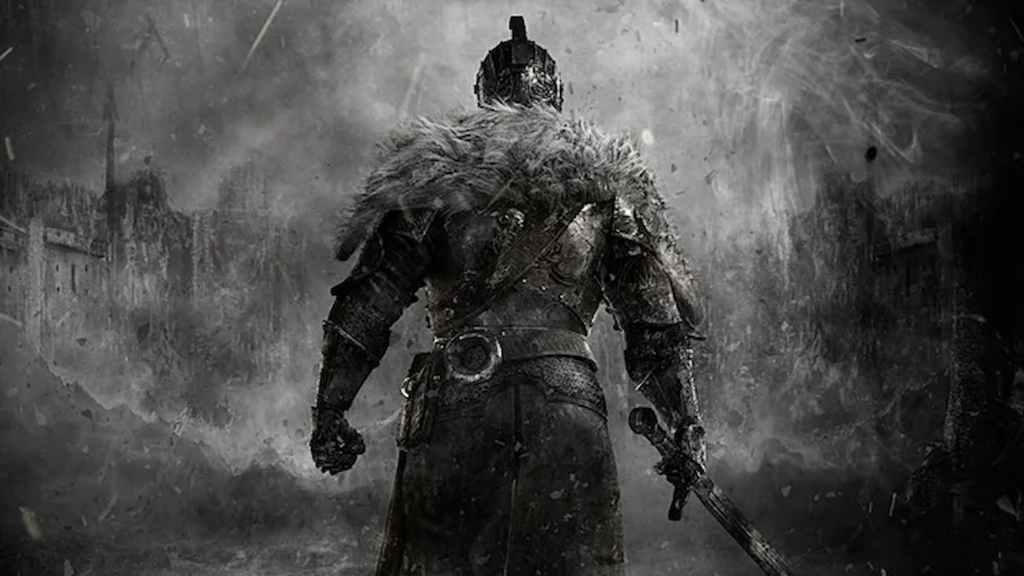
Fans of FromSoftware’s Dark Souls series know you can’t bring up Dark Souls 2 without some sort of back and forth from players. Dark Souls 2 is undoubtedly the most controversial game FromSoft has ever made, for a variety of reasons. For starters, the game had to follow-up the original Dark Souls, a masterpiece of an action RPG that established a connected world and combat difficulty that would become infamous around gaming as a whole.
The divide of Dark Souls 2 came down to how its gameplay and world building were received by fans. Many praised the game for having extraordinary set pieces and lore, with a more concise story than the previous title and wonderfully crafted locations to visit, such as the hub area of Majula. That being said, an over abundance of enemies made parts of Dark Souls 2 incredibly frustrating, with new gameplay systems altering the title’s combat in strange ways.
The Adaptability stat tying player invulnerability to part of their build was one of many irksome changes that many fans still criticize today. More boring bosses who were far easier to face compared to the first Dark Souls also rubbed fans the wrong way, especially those who appreciated the prior game’s gritty difficulty. However, defenders of Dark Souls 2 would claim that the game improved with its DLC expansions. In either case, this game is either a player’s favorite Souls game of all time, or the one they hate most, with usually little room in between.
1. The Last Of Us Part 2
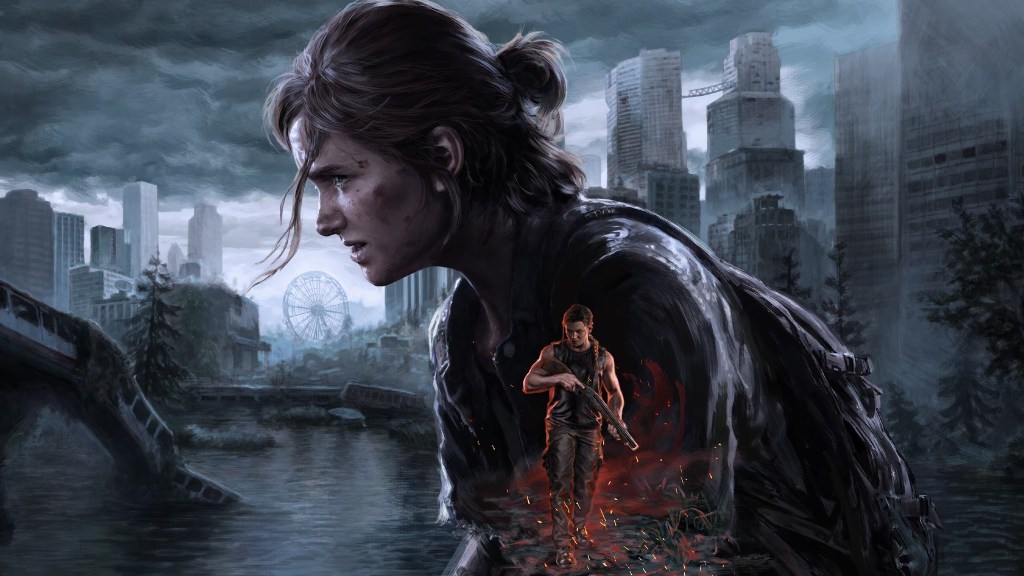
There are few games as controversial as The Last of Us Part 2 when it comes to their story, which has created years upon years of discourse that the HBO Max live action series reignited recently. This series is more cinematic and narrative driven than other survival horror titles, so this part of the game is at the forefront constantly. Although its themes of revenge and its consequences are generally understood by players, the presentation of those themes was the breaking point of many.

This game begins with the shocking death of a main character from the previous game, in brutal fashion that still alienates the countless fans who considered that figure the core of the series at that point. Some fans praised the game’s bold decision, but others say that the rest of the characters within the title were not strongly written enough to make up for the loss created. Furthermore, as The Last of Us Part 2 continues, the game’s biggest critics state that the vengeance for that character’s demise is almost forced, creating cruel acts of depravity that force players into actions they had no agency in determining.
This game’s ending is also the cause of many arguments, with a final act of mercy almost contradicting the entire journey of the story in the eyes of some fans. At the same time, others have a great respect for that choice too, similarly to the death mentioned earlier. Like many games that people are torn on, The Last of Us Part 2 is something you’ll either love or hate, depending on your interpretation of its controversial events.
What is your favorite game that has a polarized audience? Leave a comment below or join the conversation in the ComicBook Forum!
Most Viewed
-

Image courtesy of Marvel Studios -
Image Courtesy of MAPPA