Not every Dungeons and Dragons party can get through tough battles without a healer, or a character who specializes in magic or abilities that can restore their allies Hit Points (HP). However, there are many builds in D&D that can restore HP simply, such as a Paladin’s Lay on Hands or access to a healing spell as a Cleric or Bard. The best healers are ones with multiple ways to keep their friends alive, ensuring that enemies will have a tough time taking them down.
Videos by ComicBook.com
Builds that do healing aren’t always the same as support builds in D&D, which tend to provide different bonuses or mechanical advantage rather than anything restorative. When players think about a “healing” character in the TTRPG, the expectation is someone who adds greater vitality to themselves or someone else, allowing them to endure more hits from enemies. While some of the healing provided might be temporary, diverting or reducing damage taken are also qualities you might find in a healer focused build.
5. Circle of Dreams Druid

This list won’t be going into strong multiclass builds, but rather unique subclasses you can choose for strong healer characters. One such build is the Circle of Dreams Druid, especially when you pair that archetype with the Cartomancer Feat as you level up. This type of Druid has a strong connection to the Feywild and other spiritual realms, channeling their magic to mend wounds and bring wonder to the world. At Level 2 when you gain this subclass, you gain a font of energy that offers respite from injuries. As a bonus action, you can spend a number of d6s tied to your Level to automatically heal any allies you can see.
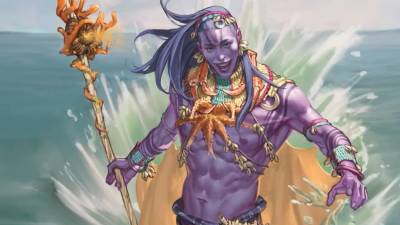
This magic has few limitations, offering both restored health and Temporary Hit Points for almost no action economy cost. Further supportive abilities, such as a shadowy space of sanctuary and teleportation of allies, make the Circle of Dreams Druid incredibly versatile beyond just being a “heal bot.” With the Cartomancer Feat, you can even store a card of a powerful healing or nature magic for future use, unleashing it at just the right moment to get your party out of a tough spot.
4. Oath of Devotion Paladin
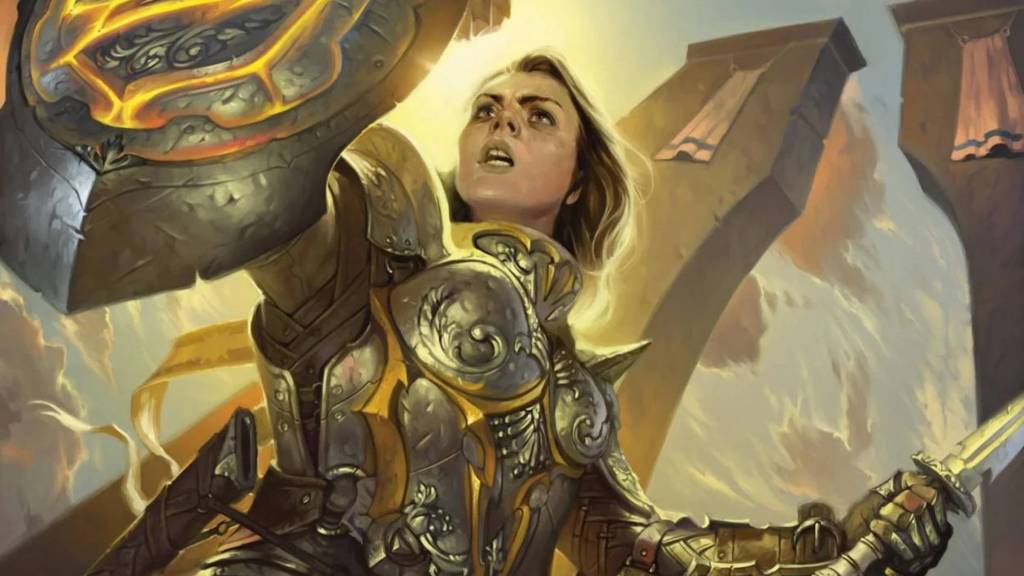
Paladins are always great healers through their Lay on Hands ability, which gives them an action where they can cure harmful conditions or restore vitality to themselves or allies. That being said, most Paladin builds stop their healing right there, making the Oath of Devotion subclass a notable exception. This archetype has unique magic that can provide restoration or protection to allies, through spells like Sanctuary and Lesser Restoration at various Levels. Spells like Beacon of Hope at Level 9 are amazing too, allowing allies to gain the maximum amount of healing possible from any source for its duration.
Along with skills designed for melee battles, Oath of Devotion Paladins have ways to prevent allies from being charmed, or turn enemies to force them to flee from battle. Playing as a Half-Orc can help this subclass shine more in a healing build too, as that racial option’s Relentless Endurance helps them drop to a single Hit Point instead of 0 once per Long Rest. This way, the Paladin can focus healing other targets instead of themselves.
Feats like Inspiring Leader can lean into healing even more, allowing an Oath of Devotion Paladin to spread Temporary Hit Points to everyone in their party. Up to six friendly creatures can receive the benefit of this ability after 10 minutes of an inspiring speech, including the Paladin leader. All allies affected gain life based on your Level and Charisma modifier put together, creating a strong buffer of extra HP to make it easier to endure hits from even the toughest bosses.
3. Way of Mercy Monk

The Way of Mercy Monk has several ways to restore health to allies, starting with their Hands of Healing feature right when you opt into the subclass. For a single ki point, Mercy Monks can restore Hit Points to a creature they touch, equal to their Martial Arts die and Wisdom modifier put together. This feature can even be used to replace a Flurry of Blows, sacrificing extra hits for the preservation of resources. With Physician’s Touch at Level 6, the Hands of Healing are even better, allowing you to also cure a disease afflicting a creature as they heal.

This ability can also end a harmful condition, such as blinded, deafened, paralyzed, poisoned, or stunned. Considering how stunned and paralyzed are two of the most dangerous conditions in D&D, this skill can be incredible in the right situations. Eventually, your Hands of Healing grow stronger, costing less to use and even returning creatures to life after they’ve died at the highest Levels. When paired with the Mobile Feat, your Monk’s extra movement gets even better, allowing you to dart around the battlefield to apply your Hands of Healing with far less interference.
2. Life Domain Cleric
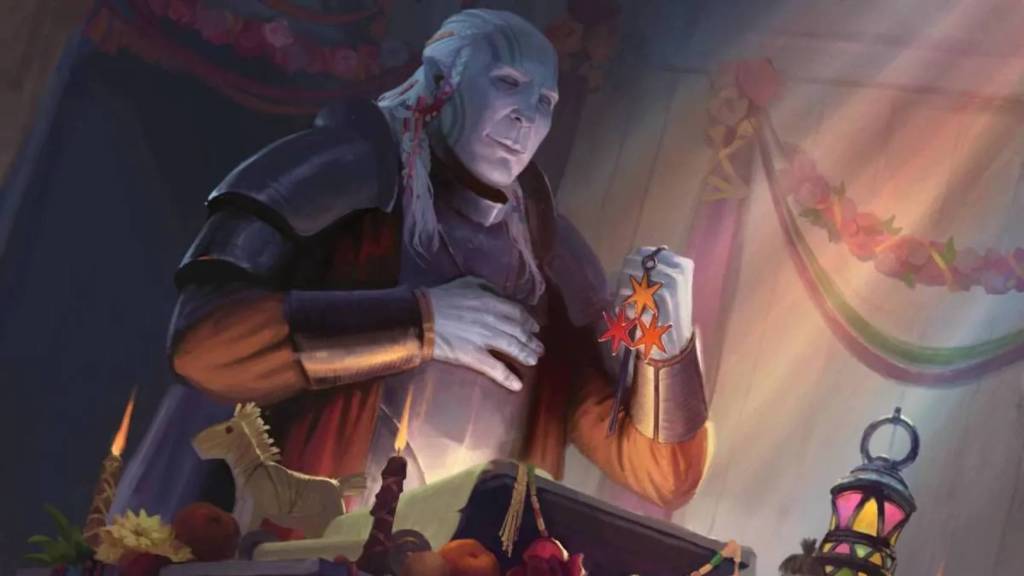
Clerics are often typecast as healers in D&D, but the strongest spellcasters of any build sometimes rely on a far more balanced spread of magic. Clerics can be strong front line melee attackers as well, so the Life Cleric Domain has to double down on healing to truly be special within that role. This archetype gains great spells for rejuvenating their allies, from Bless, Cure Wounds, Lesser Restoration, Beacon of Hope, Death Ward, and Mass Cure Wounds as you level up.
Through features like Disciple of Life at Level 1, the Life Domain Cleric can make healing spells more effective too, increasing the base healing of the magic to new heights. Using their Channel Divinity, characters of this build can use their holy symbol to heal targets even more, without having to be next to them to do so. As they grow stronger, this Cleric type can even transfer healing from one target to multiple allies, with the strongest healing magic eventually always using the maximum amount of healing possible.
This type of positive energy harnessed by Life Domain Clerics is almost completely focused to healing, with perhaps the highest caliber restoration skills in D&D. However, restorative abilities gain new strength with the Gift of the Metallic Dragon Feat, which gives you the Cure Wounds spell for free. Through this Feat, you are able to cast Cure Wounds without spending a spell slot, getting a free use of healing without spending magic. Protective Wings from this Feat also give you another way to protect allies, truly giving them the best chances to keep living.
1. Divine Soul Sorcerer
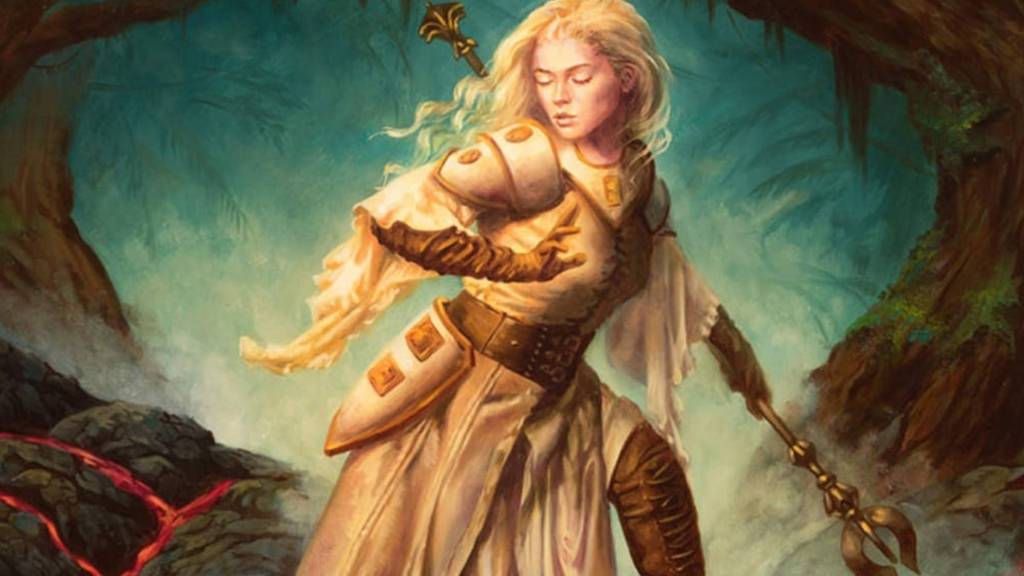
The Divine Soul Sorcerer is a build that combines the Sorcerer’s wealth of creative magic with the Cleric’s access to healing spells. Right away, this subclass gives your character the option to learn magic from the Cleric spell list, giving you two lists of arcana to choose from instead of one. All the potential of the Cleric’s healing ability is available to you, with the Sorcerer’s natural ability to alter those spells further with Metamagic. Metamagic truly opens the door to enhance every Cleric spell in the game, making their healing more effective or easier to apply.
Empowered Healing at Level 6 gives Divine Soul Sorcerers a way to reroll dice applied to healing as well, spending a Sorcery Point to increase the odds for higher restoration. At Leve 18, this build can even save themselves from death, restoring their own hit points to make sure their reconstructive efforts can continue. Like some of the other entries, Inspiring Leader and Gift of the Metallic Dragon are good for this subclass in D&D, but other features could work too.
For example, the Healer Feat gives you an obvious proficiency with a Healer’s Kit item, allowing you to restore life to dying allies instead of just stabilizing them from death. As an action, this Feat also allows you to restore Hit Points using another creature’s Hit Dice, preventing you from spending vital resources to ensure their continued survival. As far as healing builds go, the Divine Soul Sorcerer is one of the most flexible in Dungeons and Dragons, and one that players should try to fulfill their party’s most important position.
What healing build have you created in D&D? Leave a comment below or join the conversation in the ComicBook Forum!
More Gaming
-

Image courtesy of Moon Studios GmbH -
Image courtesy of Bethesda