The 1990s were filled with great RPGs. From Super Nintendo classics like Earthbound to PC greats like System Shock 2 to genre-defining PS2 games like Final Fantasy VII, there was something for every type of player. While most fans of the genre have played those all-timers, there are plenty of lesser-known RPGs that deserve more love. These games don’t have millions of fans, but they are absolutely worth playing, especially if you consider yourself an RPG fan. Here are five great role-playing games from the 1990s that have been largely forgotten by players.
Videos by ComicBook.com
5) Albion (1995)
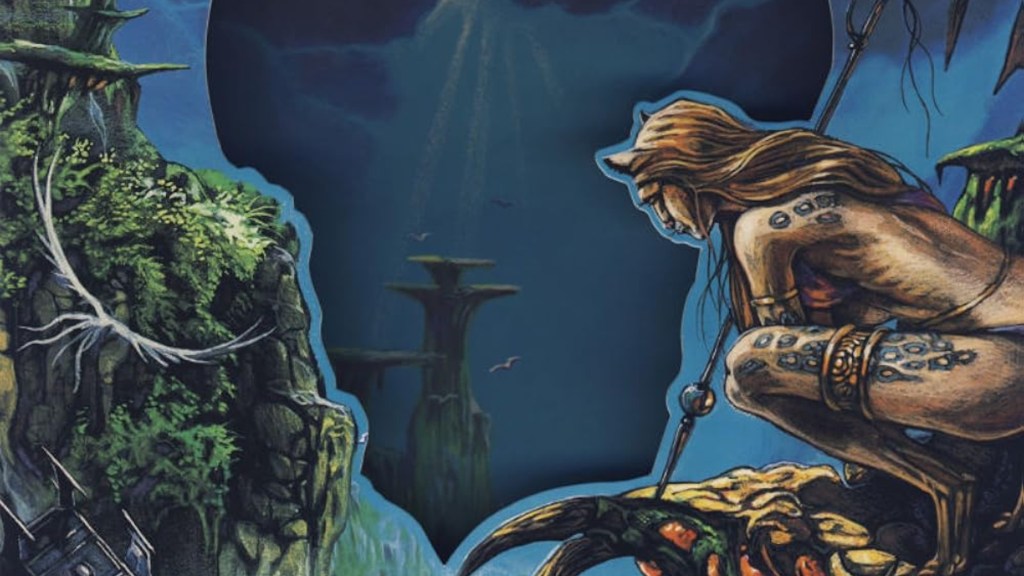
Albion has such a cool gimmick. When you first see the cover, you might assume you’re playing a fantasy RPG. That’s sort of true, but Albion is actually set in the distant future. The action starts with your group going into space to explore a distant planet. You crashland on the planet Albion, which is inhabited by human-like cats and Celts from Earth who were transported to Albion thousands of years before the game kicks off.
Otherwise, it’s a relatively standard PC RPG of the era. That’s not a knock on Albion. It does a great job balancing combat, puzzles, and exploration. However, the star of this show is the storyline. Not only does it have a great set-up, but it’s filled with twists and turns that’ll keep you hooked throughout. Thankfully, it’s relatively easy to find these days, as GOG brought the original DOSBox version of Albion to its service in 2015.
4) Guardian’s Crusade (1998)
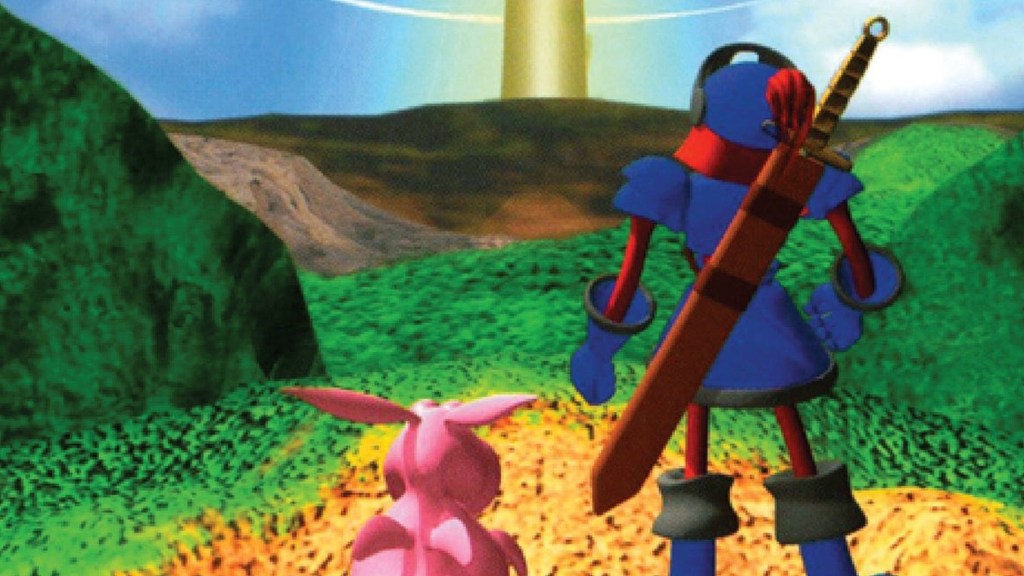
Also known as Knight & Baby in Japan, this charming PlayStation 1 RPG gave fans a relatively seamless world to explore. Obviously, it wasn’t perfect (this was the original PlayStation, after all), but switching between the open world and towns was all pretty similar, helping immerse players in the world. Plus, it featured non-random battles. That was becoming an annoyance for RPG fans in the late ’90s, so Guardian’s Crusade felt like a breath of fresh air.
That all said, the real reason you would play Guardian’s Crusade is the Living Toys. You could acquire 70 of these virtual pets and have them help you in battle. Every LT was unique, but summoning them sucked up your resources, so you had to be careful with your selections. It’s certainly not the most ambitious RPG of the ’90s, but if you’re looking for a cutesy adventure that respects your time, you can’t go wrong with Guardian’s Crusade.
3) Robinson’s Requiem (1994)
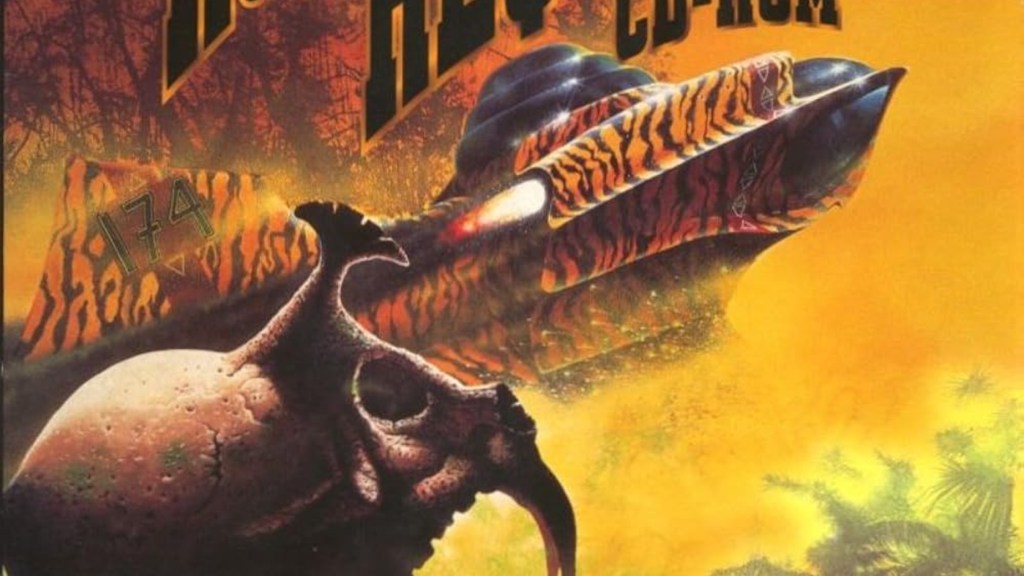
Robinson’s Requiem isn’t like anything else on this list. In fact, some might not even consider it an RPG. That’s because Robinson’s Requiem draws quite a bit of its gameplay from the world of survival simulation. This first-person game puts you in the shoes of a Robinson named Trepliev 1. You’re part of the Alien World Exploration department and need to escape a prison planet filled with hostile creatures and a daunting environment.
Everything is working against you. You’ll need to manage hunger, thirst, fatigue, temperature, and your general health as you navigate the harsh alien world. Heck, if things go wrong, you might have to perform surgery on yourself. Because this is a PC game from 1994, almost everything is detailed in bar charts, making it a little tough to feel completely immersed. Still, if you’re looking for a challenging PC quasi-RPG from the era, Robinson’s Requiem is certainly that. It might not look pretty, and you might get a headache trying to understand all its systems, but it is incredibly ambitious. If nothing else, you’ll feel accomplished if you make it off the planet.
2) Stonekeep (1995)
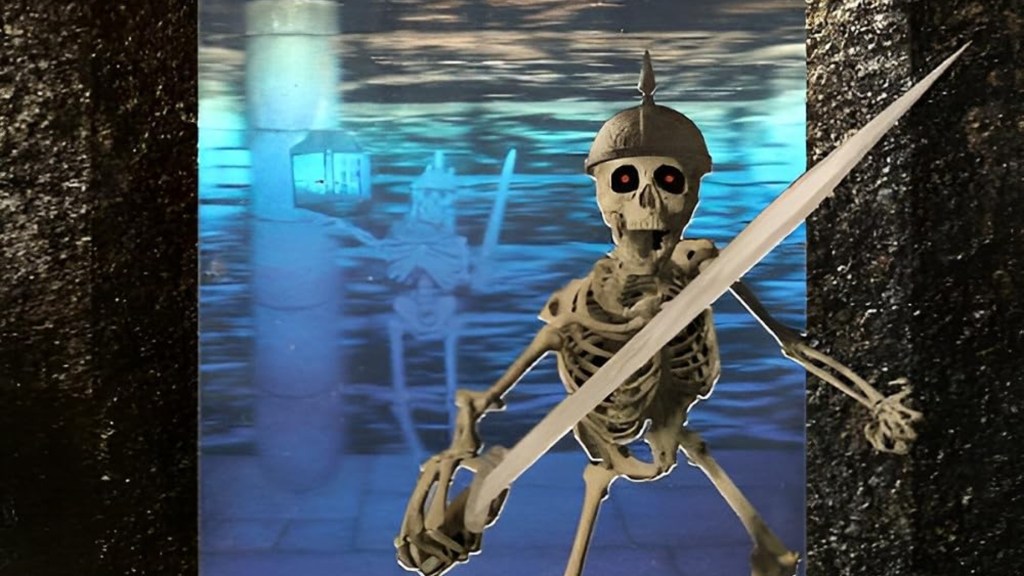
Stonekeep was developed by Interplay Productions, which you probably know from games like Baldur’s Gate, Fallout, and Icewind Dale. Even better: legendary designer Brian Fargo was one of the producers. Still, Stonekeep endured a troubled development cycle. The RPG was supposed to take just nine months, but that timeline stretched to five years. As the story goes, the initial version of the game was looking so strong that Interplay decided to inject more money and tech into the project, making it take much longer to finish.
Unfortunately, that long development process ate into Stonekeep’s revenue. Sure, it sold about 300,000 copies, but that five-year development cycle made it tough for Interplay to make much money. That’s a shame because Stonekeep looks great for the era and delivers best-in-class music. It was far from Interplay’s magnum opus, but the story is worth seeing through, even if the combat is a little bland. There was a sequel in the works, but Interplay cancelled it after five years, moving Black Isle Studios to Icewind Dale II instead. I’d say that’s too bad, but Icewind Dale II is an all-timer, so you can understand why they moved on.
1) Darklands (1992)
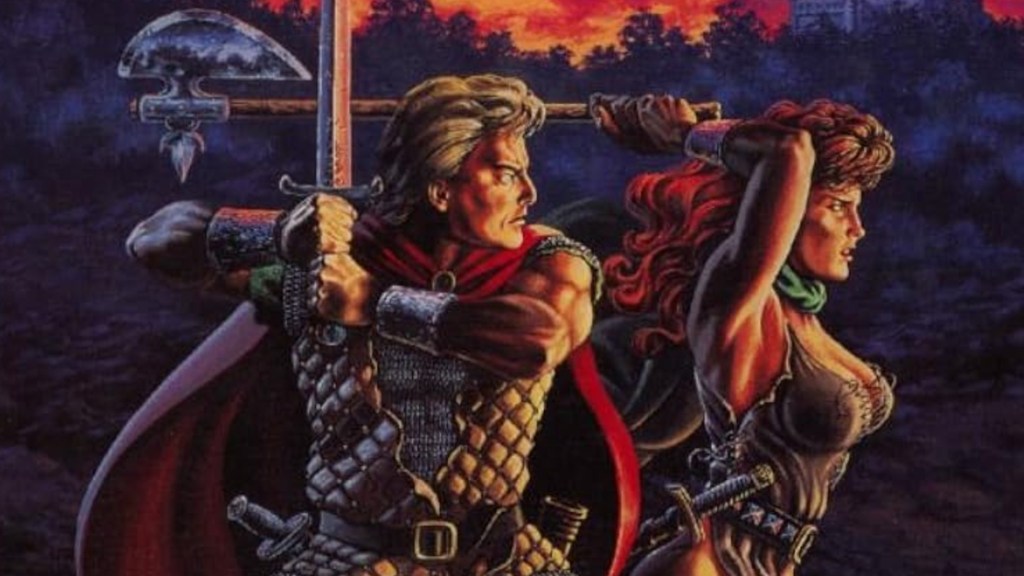
If you’re a fan of The Elder Scrolls and Pentiment, you may have heard of Darklands. That’s because Bethesda and Obsidian Entertainment have both said their games draw direct inspiration from the classic RPG from MPS Labs. Darklands is set during the Holy Roman Empire, but don’t expect it to be entirely historically accurate. Yes, the geographic setting is on point, but MPS Labs decided to mix in several supernatural elements, including a final battle against the demon lord Baphomet.
The reason Darklands is so beloved by your favorite modern RPG designers is that it features open-ended gameplay and a massive world to explore. It felt like you could approach the story however you wanted, giving players their first real look at an open-world RPG. That didn’t come without a downside, though, as Darklands is kind of a buggy mess. If you can get past the bugs, this is one of the more challenging, complex RPGs of the era. Even if you can’t, it’s worth checking out Darklands as a historical artifact, especially if you’re struggling with the wait for The Elder Scrolls 6.
What do you think? Leave a comment below and join the conversation now in the ComicBook Forum!
More Gaming
-

Courtesy of Paramount Pictures