When the MCU started, its focus seemed far more plot-driven. Phase 1 introduced the Avengers and culminated with them finally assembled for the first time. Phase 2 leaned into the cosmic side, establishing bit by bit the Infinity Stones scattered throughout the galaxy. And Phase 3 filled in the gaps, introducing missing heroes like Spider-Man, Black Panther, and Doctor Strange and moving the final chess pieces into position for the epic two-part conclusion that would unite nearly every established hero in the MCU against a common threat. But the Multiverse Saga has been far less focused on story than the Infinity Saga, opting instead to allow a thematic arc to carry through.
Videos by ComicBook.com
The one-two punch of Avengers: Infinity War and Avengers: Endgame might have seen half the universe snapped out and then back into existence, respectively. But since then, the MCU has been busy exploring the consequences of Thanos’ quest for the Infinity Stones and the Avengers’ resulting time heist. In fact, many of the projects throughout the Multiverse Saga have directly tackled themes of grief and loss, most notably Black Panther: Wakanda Forever and the WandaVision trilogy of Disney+ shows. Along the way, fans have met many new characters — including next-generation heroes tied to legacy Avengers — and in that way the first movie of the Multiverse Saga absolutely set the tone for what was to follow.
Black Widow Quietly Set the Tone for the Multiverse Saga
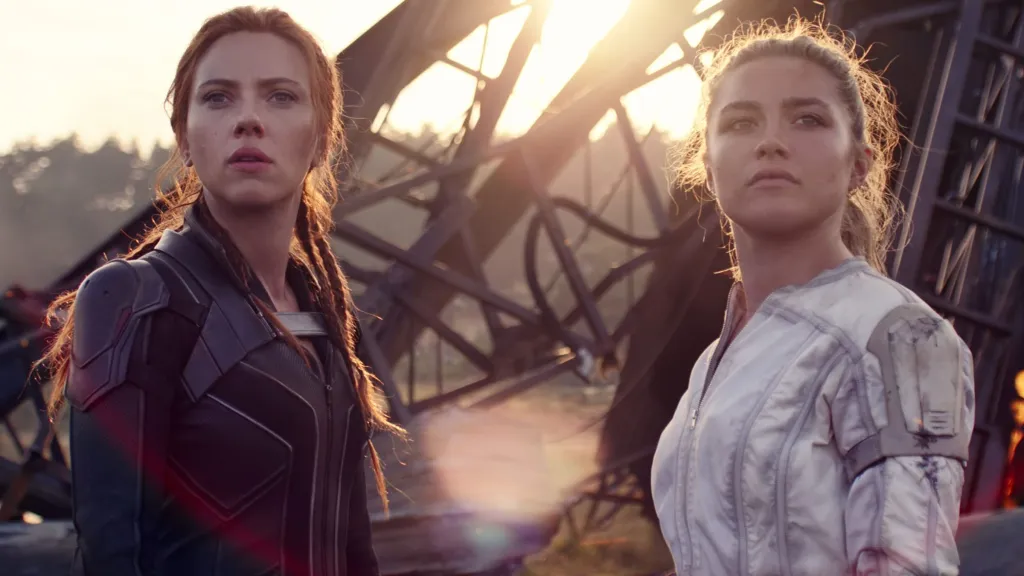
Soon after Avengers: Age of Ultron, Marvel Studios began development on a solo film centered on Scarlett Johansson’s SHIELD-agent-turned-Avenger. But it took so long to finally see the light of the day that, by the time it was released, Natasha Romanoff aka Black Widow had already sacrificed herself so that the Avengers could obtain the Soul Stone. Instead, Black Widow served as an interquel set between Captain America: Civil War and Avengers: Infinity War. And because of the COVID-19 pandemic, Black Widow was released simultaneously in theaters and on Disney+, which may account for why so many fans seem to overlook it now. But looking back, it’s actually one of the most important chapters in the MCU’s Multiverse Saga.
Of course, the film doesn’t deal with any multiversal threats itself. But it does touch on all kinds of themes that the MCU projects that followed it would touch, such as redemption, consequences, and loss. Nearly every project within the Multiverse Saga falls within one or more of these thematic throughlines. And Black Widow set the tone for a darker, more unexpected string of stories to come. Films like Thor: Love and Thunder, Guardians of the Galaxy Vol. 3, and Spider-Man: Brand New Day all have moments of both levity and heartbreak. And then there was Thunderbolts*.
Two Key Heroes Are Headed to Avengers: Doomsday

More than its thematic focus, Black Widow contributed some of the most integral and popular heroes introduced in the Multiverse Saga. Florence Pugh’s Yelena Belova has inherited her sister’s place as the MCU’s current Black Widow, and she has become one of the breakout stars of the MCU in the past few years. Likewise, David Harbour’s Alexei Shostakov aka Red Guardian — the Russian agent who essentially served as Natasha and Yelena’s adopted father — has recurred in multiple projects as well. In fact, in many ways, Thunderbolts* serves as a direct sequel to Black Widow. The movie continues digging into similar themes, this time delving full on into depression, and both Yelena and Red Guardian become key members of the title team. Even Olga Kurylenko briefly reprises her Black Widow role as Taskmaster in Thunderbolts*.
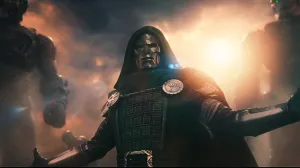
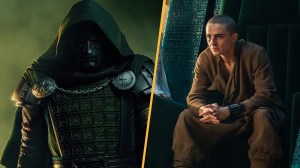
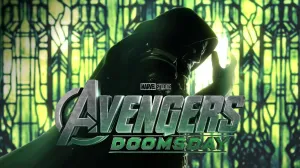
That film’s end-credits scene also teed up a major role for the newly minted New Avengers going into Avengers: Doomsday. And by all accounts, both Yelena and Red Guardian have major roles in the film, sharing the screen with the X-Men, the Avengers, the Wakandans, and the Fantastic Four. In the final trailer for Avengers: Doomsday, Yelena is even seen fighting among an impressive collection of heroes as they prepare to fight Doctor Doom and an army of Sentinels. Even if Yelena and Red Guardian’s fates remain uncertain, their introduction in Black Widow has already left a lasting impact on the MCU’s Multiverse Saga. Here’s hoping we see them continue fighting for years to come.
What is the most underrated film in the Multiverse Saga? Share your thoughts below!
Avengers: Doomsday arrives in theaters on December 18, 2026.
More Movies
-

Courtesy of Universal Pictures -
Image Courtesy of Lucasfilm -
Image Courtesy of Marvel -
Image Courtesy of Paramount Pictures