Imagine walking into a movie theater in 1989 and seeing Michael Keaton wearing the Batman costume. Today, that probably doesn’t sound particularly shocking. Back then, it was a different story. Audiences had spent decades associating the Caped Crusader with bright colors, goofy villains, and Adam West delivering deadpan one-liners before getting into another ridiculous fight. Batman was practically a walking punchline. Then Warner Bros. brought in Tim Burton, cast a comedian as its leading man, and decided to take the whole thing rather seriously. Plenty of people thought the studio had lost its mind.
Videos by ComicBook.com
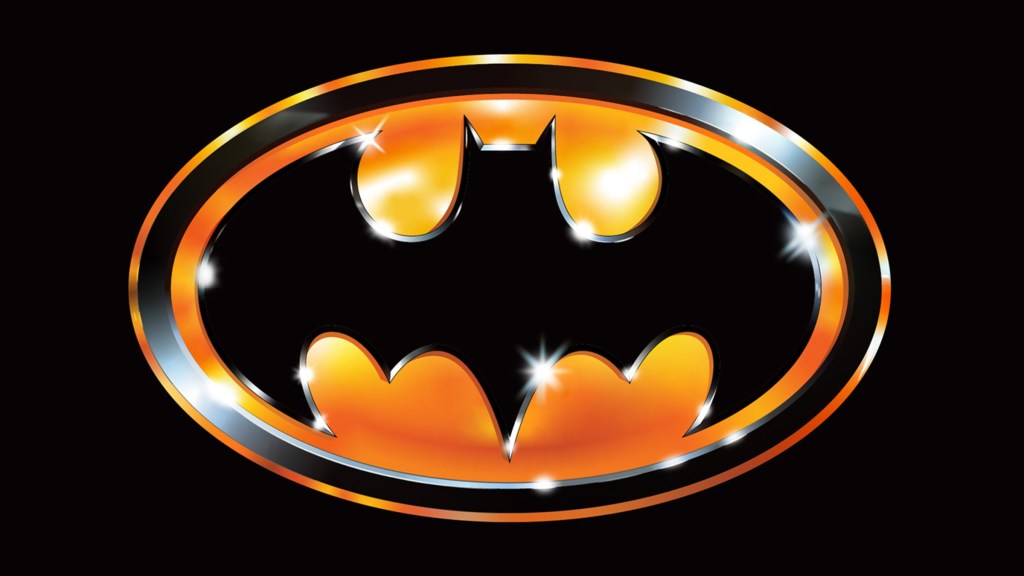
What happened next was something Hollywood hadn’t quite seen before. Batman didn’t just become a massive box-office success. It took over the summer. That familiar black-and-yellow Bat-symbol appeared on everything from T-shirts to lunchboxes, and suddenly everybody wanted a piece of Gotham City. The movie also changed how studios thought about comic book adaptations and the business of selling a blockbuster. We’ve had superhero movies dominating Hollywood for years now, but there’s a good argument that none of it looks quite the same without Burton’s Batman.
How Tim Burton’s Batman Changed Hollywood’s Idea of a Superhero Movie
Getting Batman made wasn’t exactly easy. Producer Michael Uslan had spent years trying to convince Hollywood that the character deserved a serious movie. The problem was that executives still associated Batman with the campy television series starring Adam West. That show was a huge hit in the 1960s, but it also left the character with a rather unusual reputation. Batman was the guy who climbed walls, delivered silly warnings about the dangers of everyday objects, and fought villains with giant novelty weapons. Uslan wanted something closer to the darker comics that had changed the character’s reputation. Then Tim Burton came along. After Pee-wee’s Big Adventure and Beetlejuice, he wasn’t exactly the obvious choice to direct a major superhero blockbuster. Michael Keaton was an even stranger pick. Plenty of fans couldn’t imagine the comedian playing Bruce Wayne. Warner Bros. took the gamble anyway.
The result changed the conversation around comic book movies. Burton’s Gotham looked nothing like the colorful world audiences remembered. Anton Furst’s production design gave the city a towering, gothic personality, while Danny Elfman’s score made the whole adventure feel like a dark fairy tale. When it came to the Batman’s villain, Jack Nicholson’s Joker was another major attraction. Suddenly, a comic book adaptation could attract moviegoers who didn’t spend their weekends reading comics. Hollywood took notice. The success helped make serious superhero adaptations easier to sell, paving the way for movies like Blade, X-Men, and Sam Raimi’s Spider-Man. Those films took different approaches, but they benefited from an industry that had started taking comic book characters seriously. Batman helped open that door.
Batmania Proved a Blockbuster Could Become a Cultural Phenomenon

The movie’s marketing campaign was almost as important as the film itself. Warner Bros. didn’t need to explain the plot on every billboard. It had that beautiful black-and-yellow emblem, and that was enough. A poster featuring little more than the Bat-symbol and a release date became an instantly recognizable piece of advertising. The studio turned the character into a brand before audiences had even seen Burton’s movie. T-shirts, toys, cereal boxes, and countless other products followed. You couldn’t escape Batman in the summer of 1989. There was even a Prince soundtrack album that spent six weeks at the top of the Billboard 200. Not bad for a movie about a billionaire who dresses like a flying mammal.
The numbers were enormous, too. Batman earned around $411 million worldwide and became the highest-grossing movie of 1989. Its merchandise business was just as remarkable. The success showed Hollywood that a blockbuster could sell an entire entertainment experience rather than simply tickets to a movie. That’s something studios have been chasing ever since. Of course, modern franchises have taken that idea much further with cinematic universes, endless merchandise, and marketing campaigns that seem to begin about three years before a movie arrives. But there’s something different about what happened in 1989. Batman became a cultural obsession almost overnight. Today, audiences have trailers, social media, leaks, and months of online arguments before a big movie opens. Back then, a mysterious symbol on a black poster could get an entire country excited. I can’t imagine Hollywood recreating that particular kind of movie madness. Even with all the superhero blockbusters we’ve had since, there’s still only one Batmania.
More Movies
-

Courtesy of Summit Entertainment -
Image Courtesy of Paramount Pictures