There have been so many versions of the King Arthur legend on screen that it’s really hard to do something truly new with it. You can take all kinds of approaches, from focusing on Camelot as a whole and the Round Table, to putting Excalibur at the center of the story, or even turning Arthur into a fantasy hero. But there are also adaptations that choose to change a lot of these elements to make everything feel different, and the first reaction might be to think that they simply didn’t understand the legend. However, sometimes, taking that approach while still keeping the ideas behind it can actually be one of the best decisions to make for a story like this.
Videos by ComicBook.com
Not all of them look like King Arthur adaptations at first, and some probably wouldn’t even come to mind when talking about the best versions of the legend, but here are 4 examples of that. When you take a closer look, you start to see they actually get the medieval legend better than it might seem.
4) King Arthur
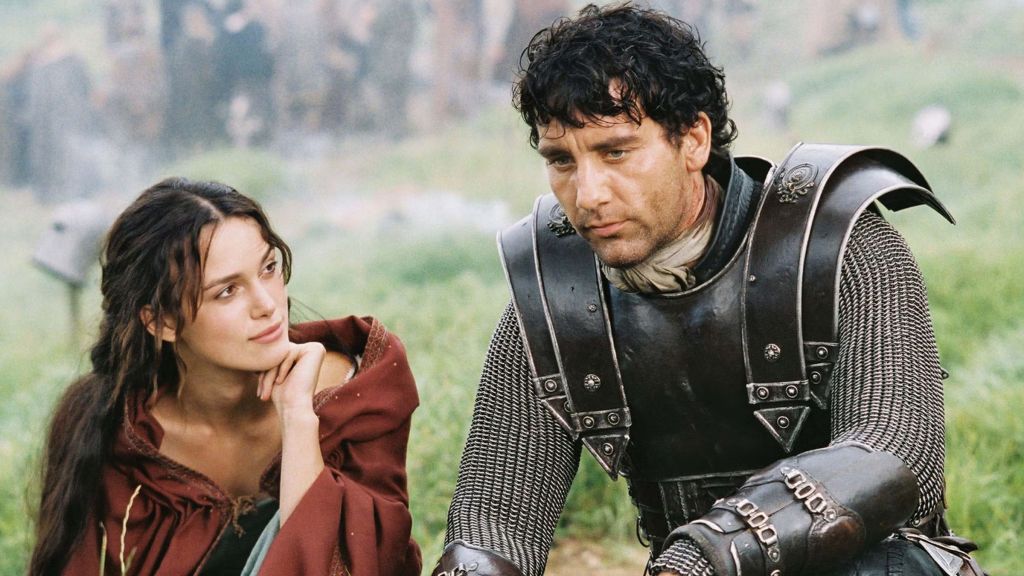
It’s easy to understand why King Arthur isn’t usually the first choice when someone talks about good adaptations of the legend, since the movie basically swaps Camelot, Excalibur, and all the medieval fantasy for a version where Arthur (Clive Owen) is a Romano-British commander in the 5th century, leading Lancelot (Ioan Gruffudd), Tristan (Mads Mikkelsen), Galahad (Hugh Dancy), and the other knights against the Saxons. The story follows the group after years os serving the Roman Empire, when one final mission puts Arthur in front of a choice: keep following Rome’s orders or fight for Britain itself. It’s a strange way to tell the story of King Arthur, so why is it on this list?
The idea behind the film is to go back to the character’s possible historical roots, so the post-Roman period of Britain and even the Battle of Badon Hill are used to build a version in which the king could have been, first and foremost, a military leader trying to unite a divided land. Plus, even while changing pretty much everything along the way, the movie keeps some things right: he brings people from different backgrounds together, his knights are fighting for something, and Guinevere (Keira Knightley) is no longer just the love interest. It’s not the most faithful adaptation of the legend, but maybe that’s exactly what makes King Arthur interesting.
3) Lancelot du Lac
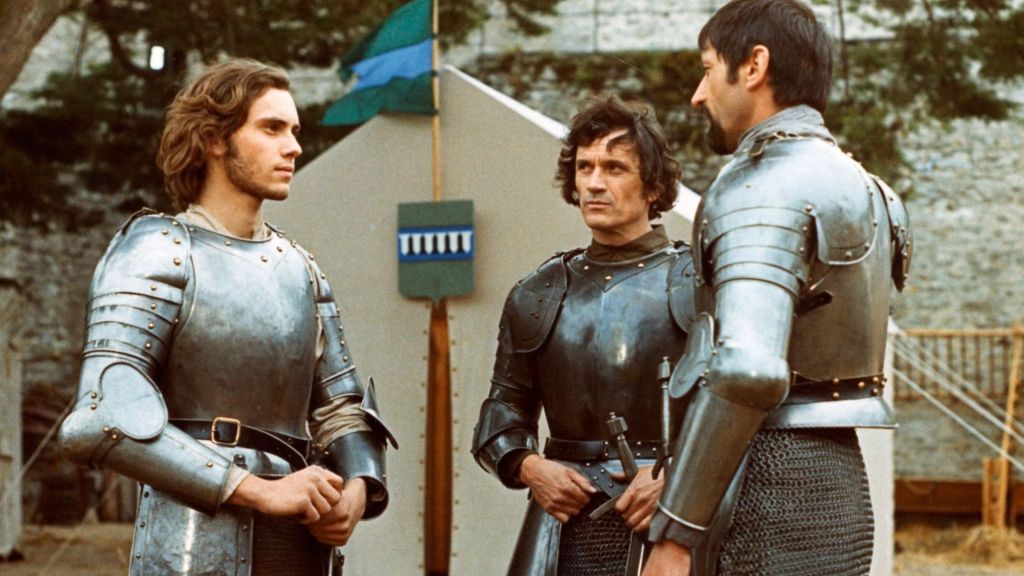
It’s hard for anyone to remember Lancelot du Lac, considering it’s a movie from the ’70s, and a lot of adaptations have come out since then. However, if there’s one thing it understands really well, it’s that Camelot was never just a place where knights rode horses and took part in tournaments. Here, we see Lancelot (Luc Simon) return to the city after the failed search for the Holy Grail and get involved with Guinevere (Laura Duke Condominas) again, despite his loyalty to Arthur (Vladimir Antolek-Oresek) and everything that relationship could put at risk. So, once the affair comes to light, it ends up fueling distrust among the knights and contributing to the downfall of that world. But there’s nothing particularly epic or spectacular about it, and that’s where the movie’s secret weapon comes in.
The feature portrays the knights as people who are tired, frustrated, and increasingly unable to live up to the code of honor they’re supposed to represent. And that fits really well with the medieval stories, which have always had a complicated relationship with the idea of perfect chivalry. Lancelot may be the greatest knight of them all, but he’s still a man in love with a woman he shouldn’t love, and Arthur may be the ideal king, but he can’t stop his own court from falling apart because of it. That contradiction is what makes Lancelot du Lac work so well as an adaptation.
2) The Green Knight
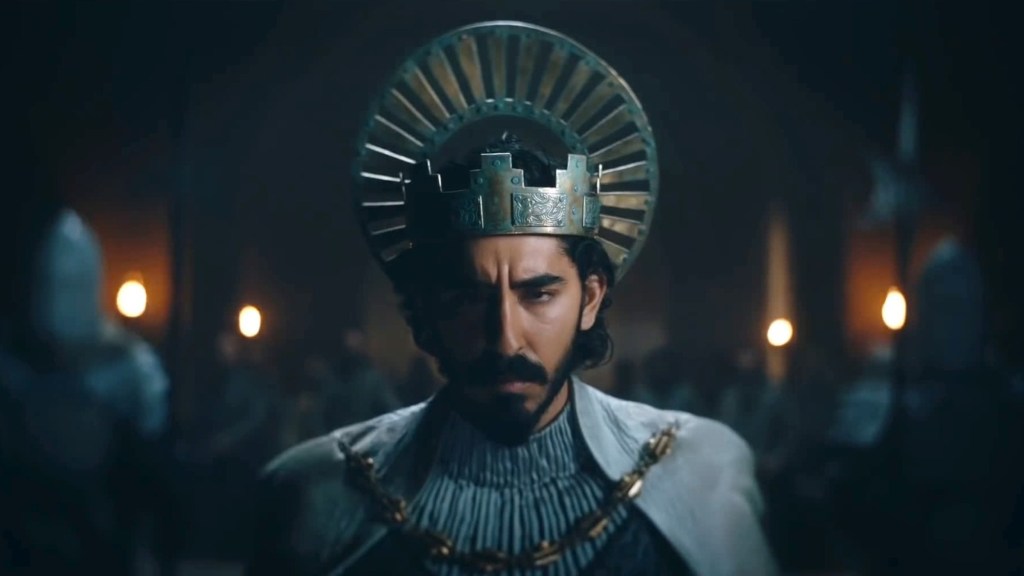
It was basically impossible not to put The Green Knight on this list. And why? The movie doesn’t have Arthur as its protagonist, and yet it’s one of the adaptations that best understands what makes the Arthurian stories so good. The story follows Gawain (Dev Patel), Arthur’s nephew, who accepts a seemingly simple challenge during a celebration in Camelot: he can strike the mysterious Green Knight (Ralph Ineson), but he’ll have to receive the same blow one year later. Then, when the time comes to keep his end of the deal, the protagonist sets out to find him and ends up going through a series of situations that put his courage and honor to the test. And there’s one important detail: he doesn’t start out as the great knight the story wants him to become.
Gawain is young, insecure, selfish at times, and very concerned with how other people see him, which makes everything more complicated — and that’s a good thing. The goal is to find out whether he can become the man everyone expects him to be. That’s a pretty crucial difference compared to the other adaptations that tend to turn Arthurian legends into more conventional fantasy adventures. Also, the structure of the medieval poem Sir Gawain and the Green Knight is kept to preserve the idea that being a knight means much more than knowing how to fight. The Green Knight does change and expand some elements of the original story, but it never loses sight of what actually matters.
1) The Sword in the Stone

Another old and almost forgotten movie (even though a lot of people watched it as kids) is The Sword in the Stone, a Disney animated film. And maybe, out of all the versions that have been made, this is the one that gets one fundamental part of the legend right the most: Arthur needs to learn how to be a king before becoming one. The story follows Wart, an orphan boy who has no idea he’s going to be the future ruler of England, until he meets Merlin. The wizard then starts teaching him through some pretty unusual experiences, turning him into different animals so he can understand how the world works and, more importantly, how power and intelligence can be used. Only after that does he pull the sword from the stone and discover his true destiny.
Okay, but so what? Well, the sword isn’t what turns Wart into a great leader; it just reveals something he was already becoming throughout his education. The movie also avoids turning Arthur into a perfect chosen one from childhood. He’s curious, he makes mistakes, and he needs to learn from other creatures before he’s ready to lead people, which makes the character’s origin much more complete and richer than simply showing a boy pulling a sword and immediately becoming a legendary king. In short, The Sword in the Stone understands that, before Camelot even existed, Arthur needed to figure out what kind of person he wanted to be.
More Movies
-

Image Courtesy of Marvel