The science fiction genre is one of the most consistently successful and popular in modern cinema, and each passing year offers exciting new releases. It’s no secret that sci-fi sells, as some of the most iconic movie franchises are those that incorporate elements of science fiction into their stories. Many of the best sci-fi movies are those that take place in awe-inspiring settings, imagining futuristic or mind-bending settings and scenarios for their stories to unfold in. In many ways, modern science fiction is as much about interesting concepts as it is about the execution, and sci-fi movies always seem to strive to deliver more of what fans seem to want.
Videos by ComicBook.com
Recently, we looked at fantasy movies that were too ambitious for their own good, and it turns out there are many sci-fi movies that fit the same profile. In their attempts to establish and deliver sprawling, compelling worlds filled with original ideas and unique characters, the following movies seemed to lose something that was far more important. Quantity should never outweigh quality, but that’s something that these sci-fi movies all struggled with, and it ultimately backfired in pretty spectacular fashion.
5) Jupiter Ascending (2015)
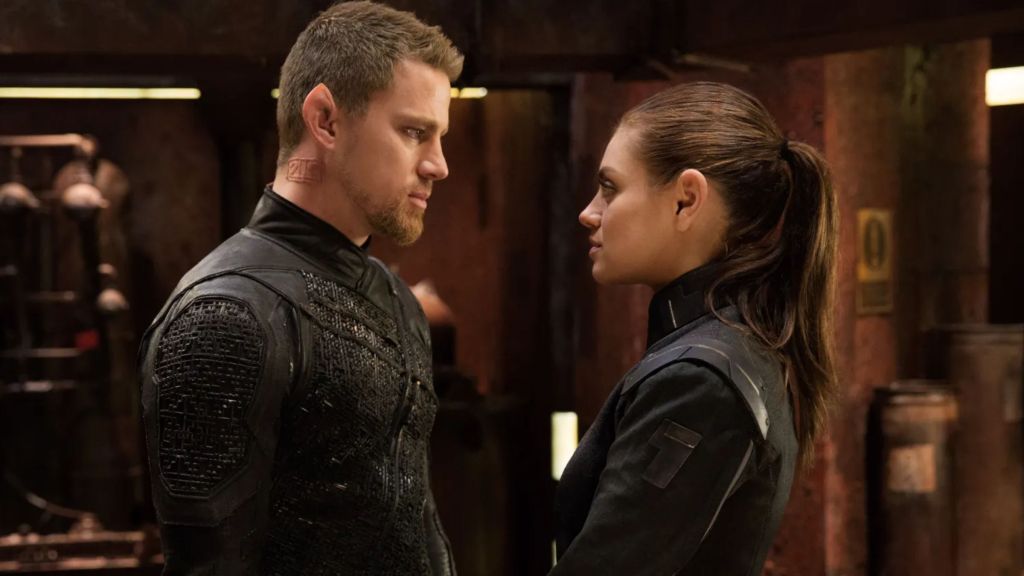
Unfortunately, Jupiter Ascending is remembered mostly as a sci-fi movie so bad it’s actually good, despite being the product of the minds behind The Matrix. The Wachowskis’ attempt to deliver a completely original space opera fell short of expectations, although not necessarily for the reasons that seem obvious upon watching the movie. Admittedly, its lack of quality leaves a lot to be desired, but the reason the movie struggles is simply because it tries to do far too much all at once.
Introducing an elaborate galactic hierarchy of interplanetary politics, ancient alien dynasties, and an assortment of other sci-fi ideas all in a single movie saw Jupiter Ascending go from a movie with promise to a jumbled mess. Clearly intended to serve as the first chapter of an epic new space opera franchise, Jupiter Ascending instead fell flat, because the sheer amount of exposition required to make its story work made even its most promising elements collapse. In simple terms, the worldbuilding completely overwhelmed the narrative, and so much attention was given to establishing the bigger picture that the movie just wasn’t very good on its own individual merit.
4) Valerian and the City of a Thousand Planets (2017)

There aren’t too many sci-fi movies that are terrible from beginning to end, but Valerian and the City of a Thousand Planets is one of them. Remembered as the vanity project of the legendary sci-fi director Luc Besson, Valerian and the City of a Thousand Planets served as an adaptation of the French comic book series Valérian and Laureline. In fairness to both Besson and the movie, in a visual sense it’s both impressive and imaginative, although by almost every other conceivable metric, it’s borderline unwatchable.
Filmmakers getting to realize their pet projects often leads to great things, but huge-budget sci-fi is always a risk, and Valerian and the City of a Thousand Planets proves why. The priority seemed to be delivering an elaborate sci-fi world rather than telling an engaging story, and the total lack of chemistry between its stars, Dane DeHaan and Cara Delevingne, certainly didn’t help. Had the movie been developed as a smaller-scale, more cohesive story first and a worldbuilding exercise second, it might have stood a chance, but ultimately, Besson’s vision was far too ambitious for the movie to pull off.
3) Sky Captain and the World of Tomorrow (2004)

Creating an ambitious sci-fi movie isn’t always a case of bringing a fantastical world to life. 2004’s Sky Captain and the World of Tomorrow is remembered as a great sci-fi movie that continues to boast a cult following, but that doesn’t mean that its ambitious nature didn’t backfire. Starring Jude Law, Angelina Jolie, and Gwyneth Paltrow, the core idea behind the movie was to create a film that felt like a living illustration to serve as a love letter to the sci-fi serials and pulp magazines of the 1930s. Shot using an almost entirely digital environment, Sky Captain and the World of Tomorrow is a film that largely lived up to the ambition behind it.
However, just because the movie achieved its goal and earned critical success, that doesn’t mean its ambitious nature didn’t backfire. General audiences found the visual style a little jarring, and many rejected the groundbreaking idea as a result. For all the ways that the experimental filmmaking technique made Sky Captain and the World of Tomorrow stand out as a truly unique sci-fi film, it also alienated the wider audience that would have secured its success. The ambition behind the movie was, and remains to this day, commendable, but it ironically led to the movie struggling to achieve the recognition it deserved.
2) Cloud Atlas (2012)
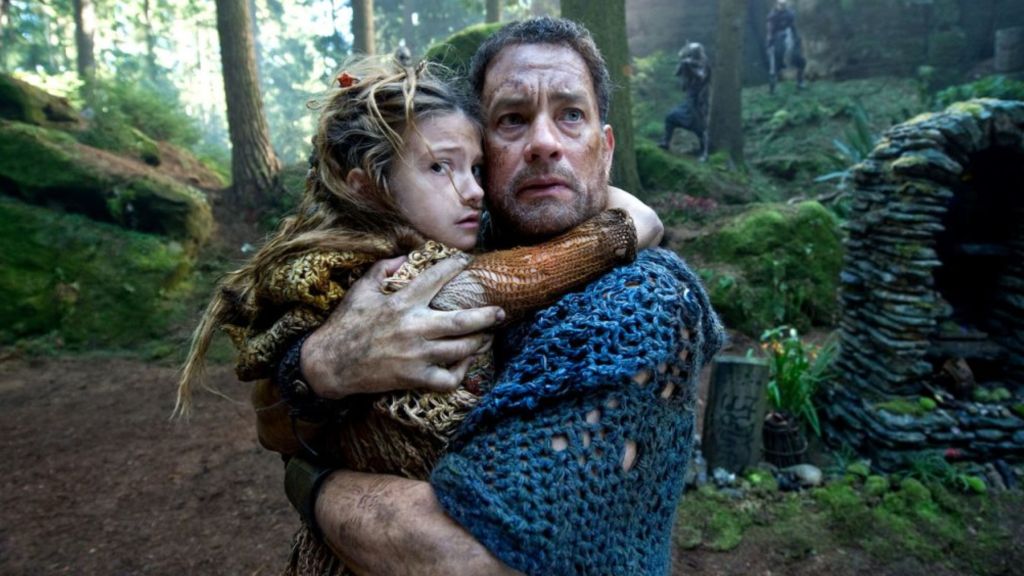
Across the genre’s history, there have been a few painfully slow sci-fi movies that deserved to be much better than they were. 2012’s Cloud Atlas is perhaps a prime example of this phenomenon, as the very notion of adapting David Mitchell’s sci-fi novel onto the big screen was a more ambitious undertaking than most filmmakers would even want to consider. However, Tom Tykwer and the Wachowskis (yes, them again) sought to do just that, and the result is perhaps one of the purest examples of a movie too ambitious for its own good.
In order to explain why Cloud Atlas was such an ambitious adaptation, we need only to look at its story. Telling six stories across six different periods of human history, Cloud Atlas jumps between eras, making various complex links between its many characters. This not only led to its bloated three-hour runtime, but to a film that struggles to make any of its individual stories feel especially worthwhile. The overall product certainly isn’t bad, and Cloud Atlas is considered a very rewarding watch by some, but the simple fact remains that turning Mitchell’s novel into a big-budget sci-fi movie was an idea that was far too ambitious to ever really pull off.
1) Rebel Moon – Part One: A Child of Fire (2023)
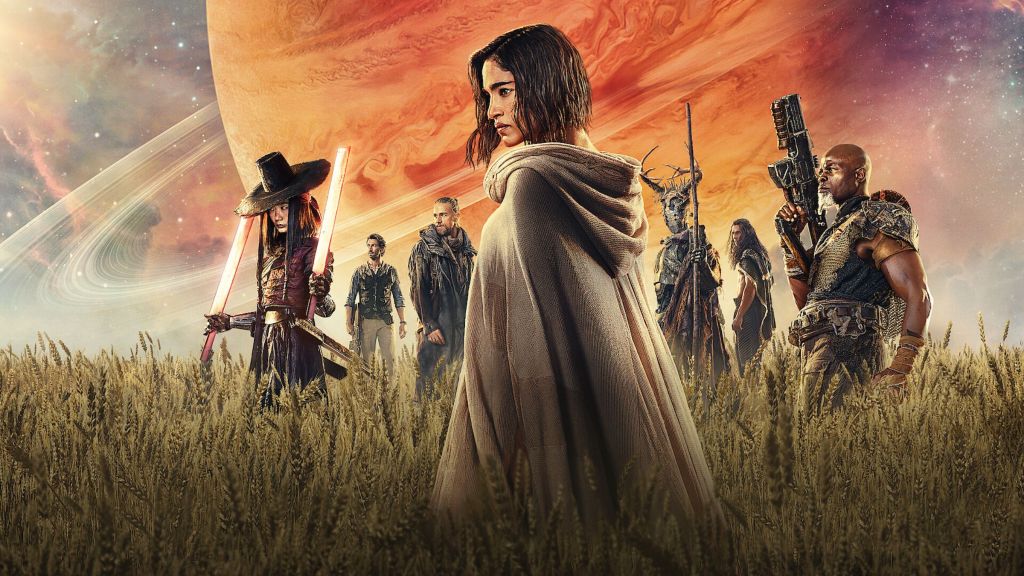
Once upon a time, Zack Snyder was tipped to direct his own Star Wars movie. When the project fell through, Snyder opted instead to adapt his ideas into a space opera franchise of his own, and the result was Rebel Moon. Considering the way it came about, we can move past the derivative nature of its story, but what is particularly hard to reconcile is how overly ambitious Snyder was in his vision for the film. It’s impossible to deny that Rebel Moon‘s first chapter had both style and promise in spades, and it introduced many compelling characters that set up a sci-fi franchise worth getting excited for.
The problem with Rebel Moon – Part One: A Child of Fire is that it felt like a sci-fi movie trying too hard to be the next Star Wars. The first film had heaps of promise, but it felt like only part of a story, because so much time and attention was given to setting up the franchise that the film itself didn’t really have a full plot. The sheer ambition of Rebel Moon is worth commending, because it epitomises Snyder’s strengths as a filmmaker: it’s sleek, eye-catching, and action-packed. However, in its attempts to set up a world which, admittedly, is incredibly engaging, the first film ironically ruined the franchise’s chances for success by neglecting its own individual story.
More Movies
-

Image Courtesy of Marvel Comics -

Image courtesy of Paramount Television