When someone asks you about your favorite horror movies, picking just a few already feels like a challenge. Now imagine trying to choose the best ones of all time. That’s a discussion that could go on for hours, since everyone has their own favorites and the genre has gone through so many changes over the decades. Still, there are some movies that are almost impossible to leave off a list like this, not just because of how successful they were, but because of the influence they still have on cinema today. Even with several horror masterpieces coming out, these older films are still the gold standard.
Videos by ComicBook.com
We’ve picked 4 movies that are essential when talking about the very best of horror. And while a list like this is bound to stir up some disagreement, each of them has more than earned its place on the genre’s Mount Rushmore.
4) Halloween
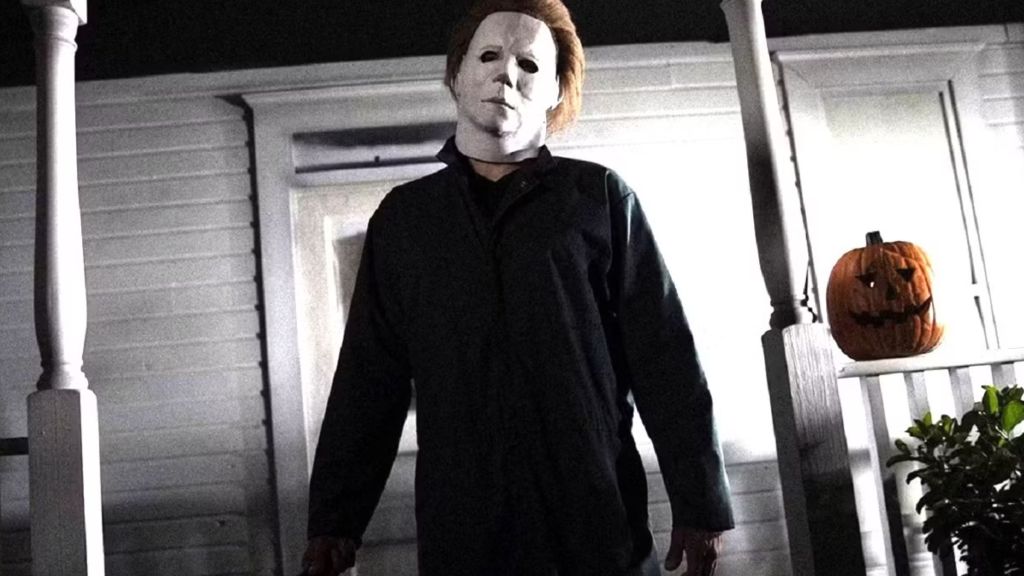
When you think of horror classics, Halloween is probably one of the first films that comes to mind, right? And for good reason. Directed by John Carpenter, this ’70s movie follows Laurie Strode (Jamie Lee Curtis), a teenager who becomes the target of Michael Myers (Nick Castle) after the killer escapes from a psychiatric institution and returns to his hometown. The plot isn’t that complex and is actually a pretty straightforward slasher, but imagine watching this back when it first came out. It might not seem all that scary by today’s standards, but it helped pioneer the genre by showing that you don’t need to explain every detail about Michael or throw in a kill every five minutes to keep the audience on edge. Sometimes, all it takes is the possibility of him showing up while someone is walking around the neighborhood or home alone.
But it’s not fair to say Halloween belongs on this list just because Michael became one of horror’s most famous villains. Curtis’ performance is another big reason why the movie deserves its place here, as it’s a protagonist who has to find all kinds of ways to survive when everything goes wrong (especially when you consider the sequels). This is a classic that helped shape the slasher genre into what it is today, and even after becoming a franchise (a pretty messy one, to say the least), it’s a great example of how to build suspense without overcomplicating the story. More than five decades after its release, you might not find the movie as terrifying as audiences once did, but there’s no denying that seeing Michael on screen still makes you feel uneasy.
3) The Exorcist
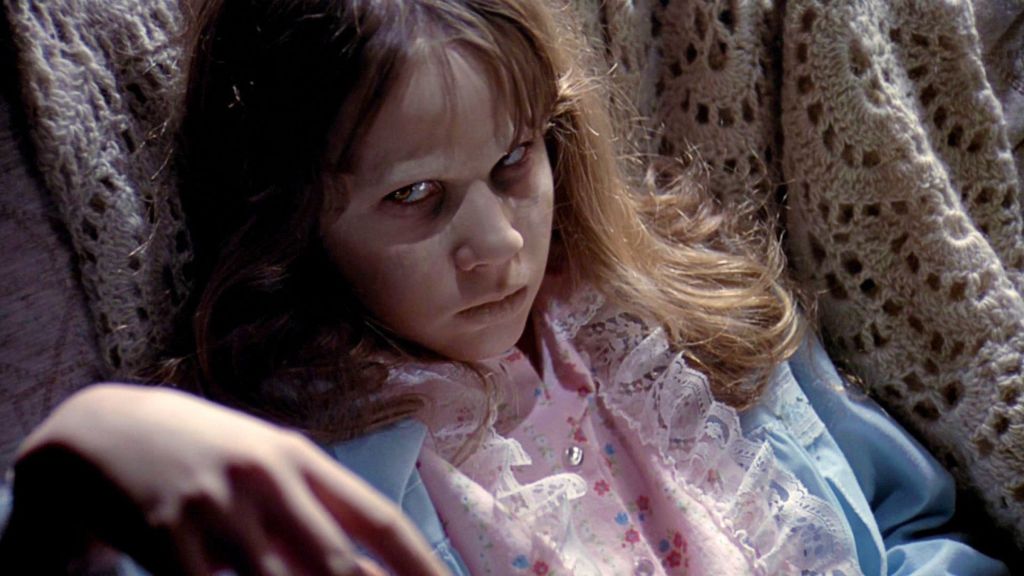
Nowadays, there are countless movies about demonic possession, but somehow, none have managed to match, let alone come close to, The Exorcist. Here, we meet Regan MacNeil (Linda Blair), a 12-year-old girl whose behavior becomes so disturbing that her mother, Chris (Ellen Burstyn), seeks medical help before turning to two priests who believe the girl is possessed. What happens to Regan is already creepy, but the movie takes its time exploring what’s actually going on with her, and that’s what makes it such an effective horror story. There are too many shocking scenes that still have the same impact today, but the real horror also comes from watching a mother struggle to find answers while the very people who are supposed to help her daughter have no idea what to do.
Everything about this story feels desperate, and when the supernatural finally takes over, we get a clear example of what the genre can accomplish at its best. It brings together a crisis of faith, anguish, the fear of facing something that can’t be explained rationally, and some disturbing imagery. Released in the ’70s, when horror was still facing some resistance from critics, the movie managed to defy expectations, earning an impressive 10 Oscar nominations in the process. With that, it paved the way for movies that followed, from The Rite and Ouija: Origin of Evil to The Conjuring and Late Night with the Devil, for example. The Exorcist hasn’t just aged well; it set a standard that many horror features are still trying to live up to today.
2) Night of the Living Dead
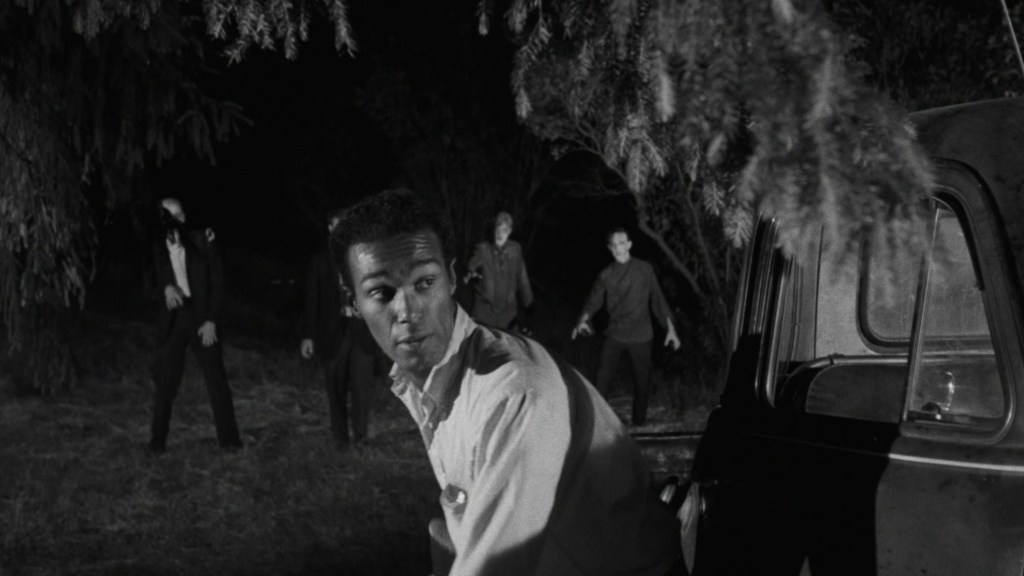
Another horror staple we know very well today is the zombie genre, with many films and TV shows exploring it over the years. But before zombies became a genre of their own, there was one movie that helped change everything: Night of the Living Dead. Directed by George A. Romero, the story follows a group of people who take shelter in a house as the undead begin to surround it. The survivors have to figure out how to stay alive, but they soon realize that’s not their only problem, as their disagreements make the situation even worse. These characters aren’t a perfectly united group who just need to find a way out, because fear can also turn ordinary people into obstacles for one another. And if you’ve watched The Walking Dead, you certainly know what that looks like.
This approach allows the horror to work on multiple levels while also making room for social commentary, which was pretty groundbreaking for a movie released in the ’60s. And we also have Romero to thank for helping shape the image of zombies in pop culture as we know it today. Still, reducing Night of the Living Dead to this would also mean overlooking what makes it so brilliant. Despite its modest budget and black-and-white cinematography, the film makes excellent use of its limitations to deliver something really unsettling. At the end of the day, this is a fantastic production that was well ahead of its time in both its approach to horror and the ideas it wanted to convey.
1) Psycho
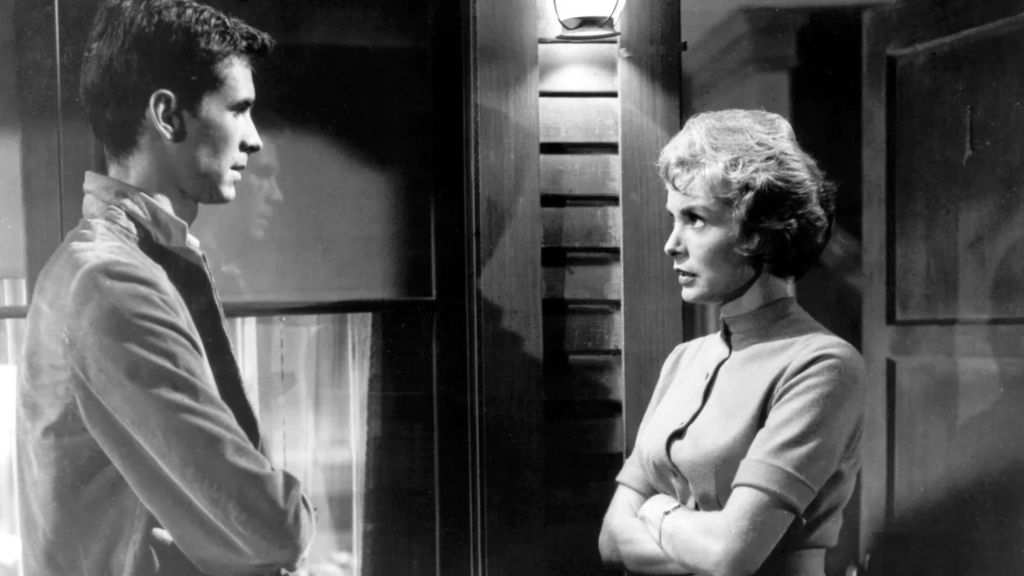
And of course, leaving Psycho off this list would be pretty strange, given that when we’re talking about groundbreaking, one-of-a-kind horror movies, Alfred Hitchcock’s classic is one of the greatest ever made. The story begins with Marion Crane (Janet Leigh), a secretary who steals money and goes on the run, eventually stopping at an isolated motel run by Norman Bates (Anthony Perkins), a seemingly polite man who lives with his mother. At first, everything feels totally conventional, but it doesn’t take long for the film to turn those expectations upside down and show that a great horror story doesn’t need anything supernatural to be scary — all it takes is another human being. Here, the danger lies in how familiar everything seems: the motel could be on any highway, and Norman doesn’t initially look like someone you’d have any reason to fear.
So, you get pulled into the story pretty easily, relate to it, and don’t think much of anything at first, which is why the movie’s biggest moments hit so hard. It’s about realizing that you can be caught off guard and put yourself in danger simply because you never expected anything to go wrong. And Hitchcock knows exactly what to hide and when to reveal something that changes how you understand what you’ve just watched. The famous shower scene is the best example, as it’s still studied and imitated today because of its editing and sound design. And there’s also Perkins’ performance, which deserves special recognition. Overall, Psycho helped pave the way for psychological horror and went on to influence cinema in ways that are still evident.
More Movies
-
Image courtesy of DC Studios