It makes sense that the R-rated Clayface might have a shoutout to the TV-MA Lanterns. It also makes sense in context, with this version of Clayface being a younger movie star, that he’d be from a place like Coast City. In the movie, it’s a bit of a fictional stand-in for Los Angeles, as a city of celebrity and glamor, one where Matt Hagen (Tom Rhys Harries) only gets to live while he himself is also glamorous. Take that away, and he makes more sense in the ugly, dirty streets of Gotham City, a stand-in for the worst aspects of New York City.
Videos by ComicBook.com
Yet Coast City is also where Hal Jordan is from, and, as played by Kyle Chandler, he’s a down-to-Earth military guy who cannot manage the fake politeness of showbiz. As seen in Lanterns, however, he does have the kind of big, empty mansion popular with Hollywood stars. So did the movie and the TV series coordinate on a consistent Coast City? The Brandon Davis Show got an answer to that.
Clayface Director James Watkins Had Free Reign With Coast City
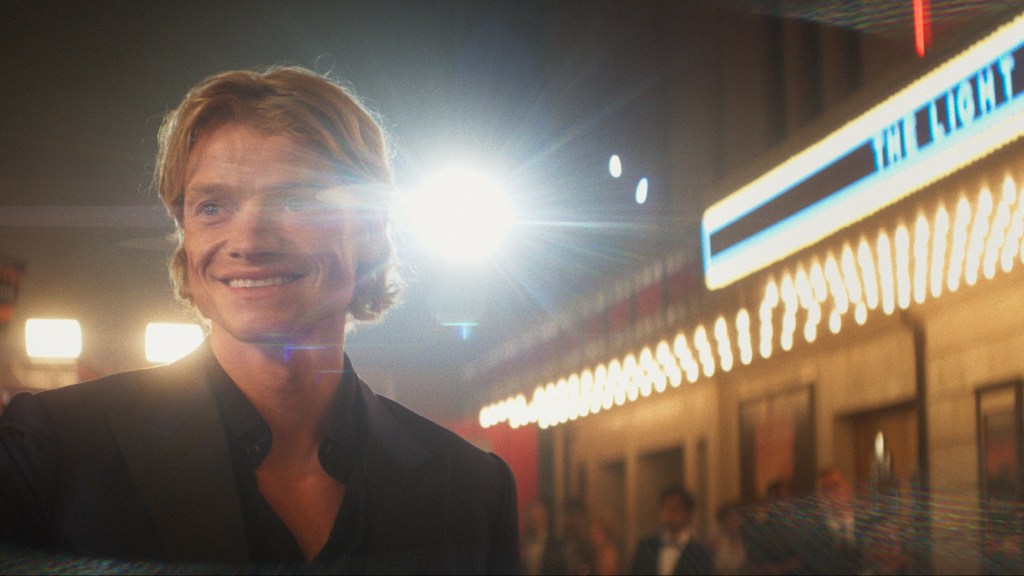
“No, there was no conversation about that at all. I didn’t know,” said Watkins, when asked if he had to make Coast City match up. “I had a lot of freedom.” This goes along with what James Gunn has previously said about different directors being allowed different visual styles in the onscreen DCU. Unlike Marvel, which has a bit of a house style with a few exceptions (Werewolf by Night comes to mind), DC will let each project have a different artistic vision. So just as Coast City might look different in a Hal Jordan comic than it does in a Clayface comic, so too can the look different in those characters’ individual movies and shows. With that in mind, it’s remarkable that they match up at all.
Of course, the same was arguably true about the previous DCEU, as well. The version of Gotham City depicted in Birds of Prey had very little in common with the world of Batman v Superman: Dawn of Justice. The two movies were such different takes tonally that it made sense to just view them as their own separate stories, even with a degree of continuity between them — and a third depiction of Gotham in David Ayer’s Suicide Squad that matched neither one precisely. Zack Snyder’s version of Themyscira in his Justice League director’s cut was likewise a little different from Patty Jenkins’ Wonder Woman, though in that case a generation or so had passed.
The major takeaway here, perhaps, is that Clayface won’t necessarily dictate the look of any future Batman movie. Gunn is giving individual directors leeway, and cities are huge. In comic books, they can have Backrooms levels of infinite space, like the back alley mazes of Rat City in the Spawn comics (which aren’t DC, but are supposedly set in actual New York City, because comics can stretch reality like that). When the DCU Batman movie begins — presumably after The Batman Part II — they’ll probably be entitled to show the city as they see fit, and coordinate to the extent they feel like.
Do you like letting individual artists pick their style, or is a consistency across all projects preferred? Speak out in comments!
More Movies
-

Image Courtesy of Marvel