It has been 39 years since a cartoon debuted that helped not only usher in a boom in higher-quality animation, but also open the door for Batman: The Animated Series. Before 1987, cartoons were mostly similar in style and themes, and few tried to take the format to a new level. However, that all changed with the release of two cartoons that helped usher in what one animation historian called the “higher quality boom” that was on the way throughout the next decade. According to historian Jerry Beck, two cartoons helped set the stage for what was to come, and those were Garfield and Friends (1988 to 1994) and Mighty Mouse: The New Adventures (1987 to 1988).
Videos by ComicBook.com
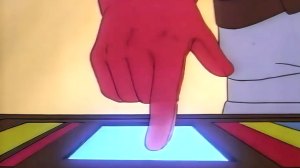
Mighty Mouse: The New Adventures premiered on September 19, 1987, and it brought back the Golden Age cartoon superhero Mighty Mouse in a series that was subversive, controversial, and revolutionary.
Mighty Mouse: The New Adventures Debuted 39 Years Ago

Mighty Mouse has been around for 84 years, debuting in 1942 when he was known as the Super Mouse in The Mouse of Tomorrow. He was initially a spoof of Superman in mouse form, but he grew in popularity and ended up eclipsing his original existence as a joke character and became a major star on his own. He then went on to star in 80 theatrical shorts and got his first Saturday Morning Cartoon in 1955 on CBS. After a reboot in 1979, he was then brought back in 1987 by animation director Ralph Bakshi. What resulted was a complete reinvention of what Mighty Mouse was all about.
Ralph Bakshi made his name with his debut feature film, Fritz the Cat, the first American animated film to receive an X rating from the MPAA. That movie also remains the most successful independent animated feature film of all time, grossing $90 million on a $700,000 budget. However, the subject matter in Fritz the Cat made Bakshi a controversial choice for Mighty Mouse: The New Adventures.
What happened next was groundbreaking and controversial. Bakshi worked with John Kricfalusi, and they brought in a team of animators and went to work. All the scripts needed approval from CBS executives, as was standard for a Saturday Morning Cartoon, but Kricfalusi worked around that by asking the artists to add visual gags to the series that weren’t mentioned in the scripts. What resulted was a new animation style in which Kricfalusi hired artists dissatisfied with their formula cartoons at other studios and created what he called the “Creator-Driven” revolution. This allowed several artists to bring their visual flair to the new series.
At the same time, the series faced massive scrutiny, especially from groups in the 1980s looking out for kids’ safety when watching television. There were visual moments that triggered these groups, including a scene where Gandy Goose and Sourpuss showered together and another where Pearl Pureheart has a baby with the Cow in a dream sequence. The most controversial was when Mighty Mouse smelled a flower and looked happy. Bakshi said that the smell reminded him of the girl who sold it to him. The American Family Association (AFA) said the flower represented cocaine and was promoting drugs. Bakshi had the scene removed because he thought kids might believe the AFA’s faulty claims. The AFA tried to demand Bakshi be removed, calling him a “pornographer” hired to do a children’s series, based on his previous work on Fritz the Cat. CBS refused to remove Bakshi.
Bakshi was the producer, but he allowed Kricfalusi and the artists to do what they wanted in the series, which ended up changing animation. In his book, Totally Awesome: The Greatest Cartoons of the Eighties, Andrew Farago spoke to animators, producers, artists, and historians about the cartoons of the era. Animation historian Jerry Beck said that Mighty Mouse: The New Adventures and Garfield and Friends foreshadowed the “higher quality [animation] boom coming in the next decade.”
Mighty Mouse: The New Adventures Opened the Door for Batman: The Animated Series

Its influence on future generations is clear. The animation and visuals in Mighty Mouse: The New Adventures were superior and revolutionary to anything else produced on TV in the 1980s. In fact, it has been mentioned alongside the 1988 movie Who Framed Roger Rabbit as an inspiration for animated shows that were zanier than what came before. Kricfalusi created the Ren & Stimpy Show four years after Mighty Mouse: The New Adventures premiered. Jim Reardon wrote Tiny Toon Adventures and later worked for Disney on Zootopia. Tom Minton went on to write for Animaniacs. Andrew Stanton directed Finding Nemo, Wall-E, and Finding Dory years later for Pixar.
However, the animator who took what he helped create on Mighty Mouse: The New Adventures and then moved it one step further was Bruce Timm. Kricfalusi hired him five years after he worked on The Secret of NIMH, and he did layouts for Mighty Mouse: The New Adventures. In fact, in the book Modern Masters Volume 3: Bruce Timm, the animator called it “artistically and creatively the most fulfilling job that I’d had in the animation business.” That is high praise because in 1992, Timm co-created and produced the Emmy Award-winning Batman: The Animated Series.
Timm created almost every original character design for Batman: The Animated Series, with the exceptions of Mr. Freeze and the Riddler (Mike Mignola), and Man-Bat and Mad Hatter (Kevin Nowlan). This series remains among the greatest animated superhero shows ever to air on television, and its genesis came thanks to Timm getting a chance to flex his creative muscles on Mighty Mouse: The New Adventures.
More TV Shows
-
Image Courtesy of HBO -
Courtesy of 20th Century Studio