Despite its enormous fanbase, Star Trek as a franchise struggled to find its footing after the original series was cancelled. The 1970’s saw it grow in popularity thanks to reruns, and gained younger fans with the animated series, but a new live-action TV show never seemed to work out. Thanks to the success of Star Trek: The Motion Picture in 1979, the 80’s gave classic Trek a revival and paved the way for a new generation of explorers to beam onto syndicated screens across the country. This bold new era introduced many elements that permanently altered the course of Star Trek, with many of these leaving indelible marks that started as ripples and turned into waves.
Videos by ComicBook.com
Characters old and new faced innovative challenges and lifeforms that were unlike any the franchise had seen before. Many of these went deeper than Trek, becoming integral parts of sci-fi that have since been paid homage to, parodied or simply copied as they are expected tropes in similar spacefaring content. In particular, these five things added something special to the series that couldn’t be ignored by future entries. Whether it was for the betterment of the universe, something more sinister or simply pleasurable, this list of items permanently changed Star Trek’s identity and helped it expand into the dominant franchise it has transformed into today.
5) Q and The Continuum Make Themselves Known
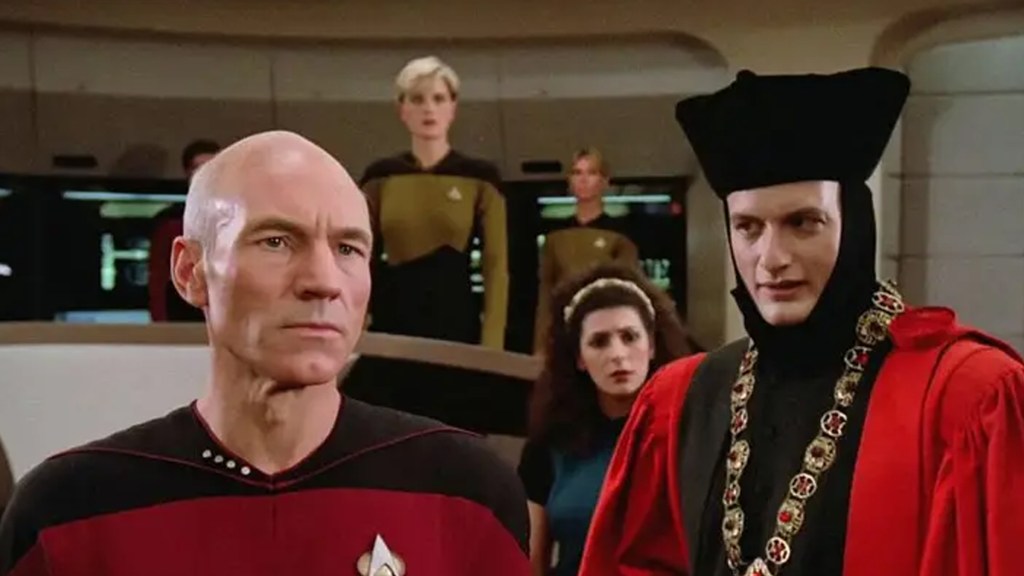
TOS established similar omnipotent entities such as Trelane to annoy the crew of the Enterprise, but none would become the perpetual thorn in the side like John De Lancie’s Q. Debuting in Star Trek: The Next Generation’s pilot episode “Encounter at Farpoint,” Q was an all-powerful enigma who decided Captain Picard would be his personal toy in the ongoing trial against humanity’s existence. What fans didn’t yet know was how important this peculiar being was about to become across most of the franchise.
Picard and Q’s relationship felt parasitic in the beginning, but in time it developed into something more symbiotic that may have very well been friendship by his penultimate appearance in the Picard series on Paramount +. His appearances in the franchise weren’t limited to only bothering Picard, as Q would cause a brief spot of trouble for Sisko in DS9 (who relished socking him in the jaw with a right hand), Janeway on Voyager and even popping up for a spell on Lower Decks. Q has been the cause of — and solution to — many of the galaxy’s problems, but that doesn’t make this Puck-like character any less enjoyable.
4) The Holodeck Becomes Starfleet’s Virtual Playground
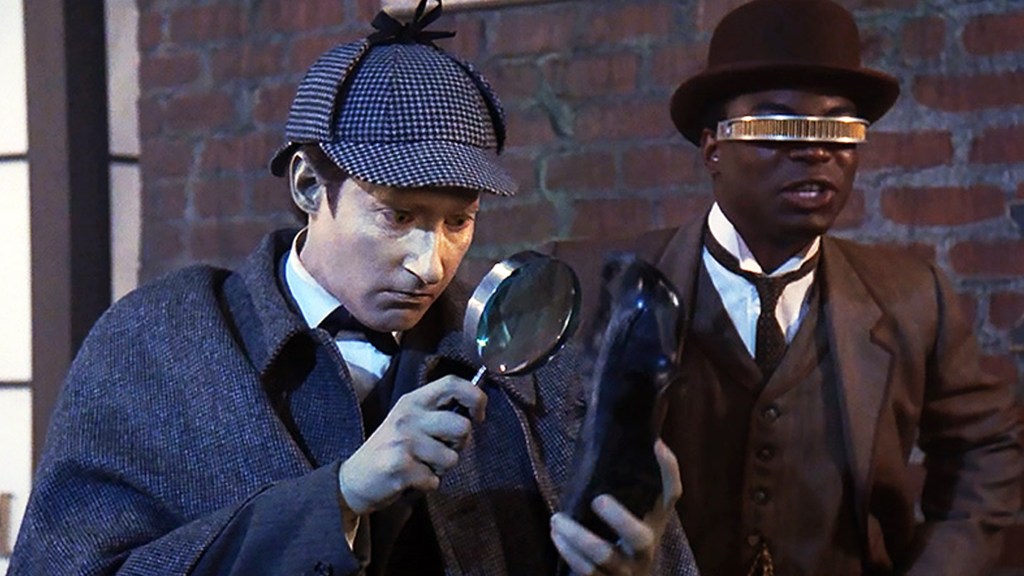
The first appearance of the holodeck in TNG’s first season “The Big Goodbye” was the start of a new playground for the crew and Trek fans. Previously, the Enterprise would have to visit a strange planet like in “The Return of the Archons” or “A Piece of the Action” to have a period piece amid its futuristic characters. With the holodeck, nothing was off-limits, whether it was a 1940s noir detective story in “The Big Goodbye,” a New Orleans jazz joint in the 1950s in “11001001,” or the one that changed TNG forever – a Victorian Sherlock Holmes mystery like “Elementary, Dear Data.”
This episode from TNG’s second season explored Data’s relationship with Geordi La Forge and Dr. Pulaski while incorporating a holodeck-created Sherlock Holmes-style caper involving Dr. Moriarty. As the mystery unfurls, so does Moriarty’s comprehension of his digital life, one that opened that doors for much of what would come. Besides more holodeck hijinx in future series, the debut of Moriarty was one led to a discussion about the rights on holographic beings. This concept was expanded on in greater detail during Voyager with the EMH fighting to be seen as a sentient and independent being rather than a computer program, culminating in Starfleet Academy with a holographic student enrolled in the school.
3) Whales Saved the Future and Remain A Major Part of It
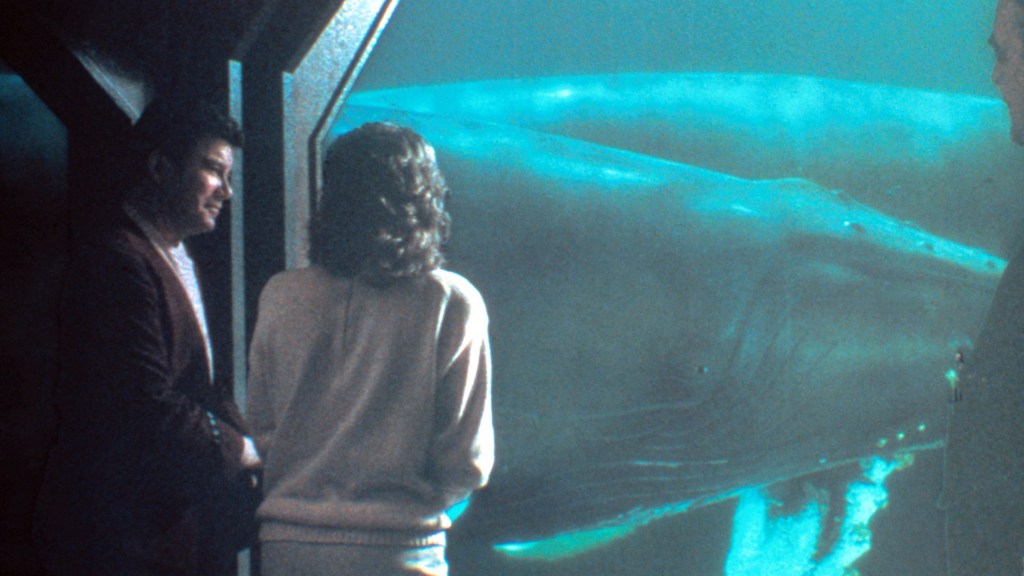
As Star Trek IV: The Voyage Home celebrates its 40th anniversary later this month, it’s a great time to remind fans that this is not only one of the series’ best films but also the perfect gateway for new viewers. In fan circles, this movie is typically referred to as “the one with the whales,” and that’s an accurate moniker. Star Trek IV introduced us to George and Gracie, two humpback whales that Kirk and his crew needed to transport from 1986 into the future to save the galaxy from a derelict alien probe that only these aquatic creatures can communicate with. As a plot device, the whales seemed silly at first but proved extremely vital, and soon became a quiet mainstay in Star Trek.
Fast forward to TNG when Cetacean Ops — a section of a starship dedicated to astral navigation using creatures like dolphins — is first mentioned in “Yesterday’s Enterprise” in passing, later appearing in a reference book to lock its place as part of the series’ canon. The image of a water tank filled with porpoises or whales to help vessels find their way through space was one that tickled many fans, but we wouldn’t see it in action until decades later in Lower Decks. There, we met two of the Cerritos finest crew members: Lieutenant Kimolu and Matt, two beluga whales serving as science officers aboard the starship who help make sure the ship goes in the right direction (while enjoying unlimited fish as their reward).
2) The Death and Resurrection of Spock
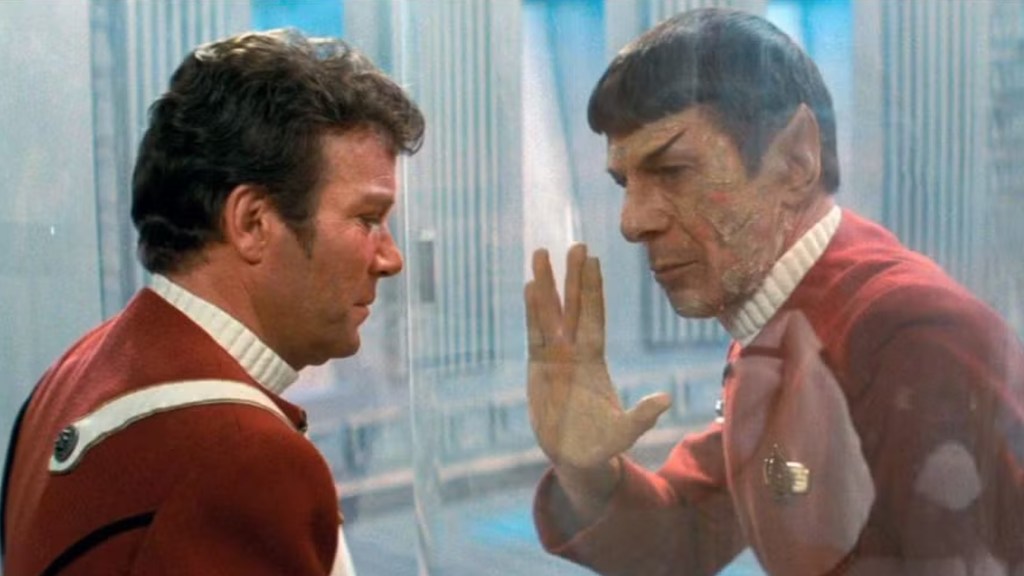
“The needs of the many outweigh the needs of the few,” Spock whispers through a dying breath, sacrificing his life to save the crew of the Enterprise in Star Trek II: The Wrath of Khan. At the time of its 1982 release, rumors were abundant that a member of the bridge would not survive this film, but many thought the fake-out during the Kobayashi Maru scene at the start of it was the source of that news. Instead, Spock would be the final victim of Khan’s revenge, but his passing would be short as the character came back in the next film, The Search for Spock. Trekkies waited two years for that return, but in storyline it happened almost immediately.
Spock’s time on board the Enterprise formally ended sometime after the sixth film, but this Vulcan was far from done. In Star Trek TNG’s “Unification” the Commander turned Ambassador was secretly trying to negotiate peace between his homeworld and the Romulans to bring the two nations back together as one, with the fruits of his labor ultimately rewarded years after his passing. Spock is also the glue that ties the JJ Abrams Kelvinverse Trek films into continuity, confirming they are a separate timeline but still linked together. In the comics, he joined the crew of the Defiant in IDW’s 2023 comic by the same name, adding a sense of logic to the clandestine operatives led by Worf. If Spock hadn’t been resurrected on the Genesis planet, things would have been very different for his friends, the Federation and the entire galaxy.
1) Arrival of The Borg
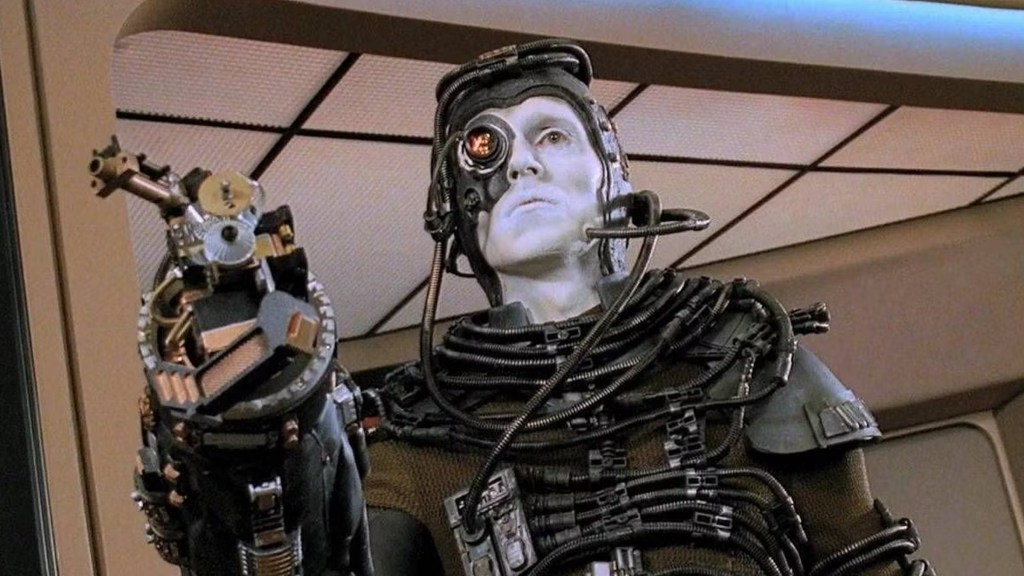
TNG introduced the greatest threat to every quadrant of the cosmos in 1989’s innocently-named episode “Q Who.” After Q absconds with Captain Picard on a shuttlecraft, the omnipotent being requests to join Starfleet after the Continuum threw him out.The Captain tells Q they are ready for anything, so he does what any godlike being would do and flings the Enterprise thousands of light years away into uncharted space. There, they have their first deadly encounter with the Borg, one they barely escape from thanks to Q’s help. Even with his powerful finger snap, it can’t undo the damage of 18 crew members who gave their lives battling this new enemy.
The Borg were teased at the end of TNG’s first season, but left anonymous as the showrunners hadn’t yet decided on who these villains would be. They returned for “The Best of Both Worlds” which gave us the infamous Battle of Wolf 359, showing us just how monstrous and devastating these adaptive cybernetic creatures were. They have remained a major part of Star Trek ever since, changing over the years to become more than the sum of their pirated parts. The collective enacted a nefarious plan to eradicate humanity in First Contact, allied with the crew of Voyager to battle Species 8472 in the Delta Quadrant (which also gave us our first Borg crew member through Seven of Nine), and showed an unexpected softer side through parts of the Picard series (excluding the revived Borg Queen’s final assault on the Federation in the series finale). They are easily the most important addition to Star Trek history to come out of the 80’s, and are arguably one of the most influential species across the entire sci-fi genre.
We know this doesn’t cover every major event that happened to Star Trek during the 1980’s, so join the conversation and let us know what milestones you feel are important in the comments below.
More TV Shows
-

Image Courtesy of UGT / Fuzzy Door / MRC