There are two types of great television villains — the ones audiences can spot from a mile away and those the audiences can’t see coming. These villains often befriend the hero, can slink into the background, or at first glance can seem sympathetic enough to be heroes themselves. Audiences then root for the villain, not realizing until seasons later that what appeared to be heroic justice was actually the first step down a slippery slope of villainy.
Videos by ComicBook.com
The villains that hide in plain sight not only provide great television but also provide great development for the show’s respective heroes. The heroes question who they can trust, what it says about them that they were fooled by a villain, and often have to face their respective moral event horizons — these villains committed horrific deeds, so what is the hero willing to do in return to ensure that no future bad outcomes will occur? These are five villains that not only hid in plain sight but changed the course of the series for years.
5. Gus Fring (Breaking Bad)
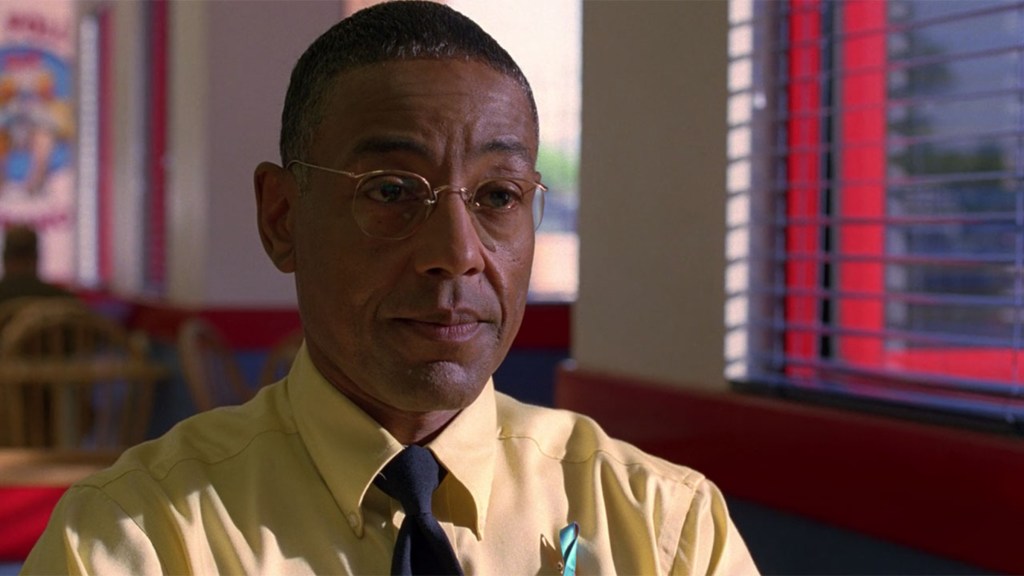
Gus Fring was originally brought in by the Breaking Bad writers following the departure of Tuco Salamanca. The role was initially intended to be a guest appearance, but Giancarlo Esposito believed in his character’s potential and successfully argued for the character to be made a series regular. Contrasting with the previous villain, Tuco Salamanca, Fring was a serious businessman, operating a successful fast food chain in addition to the vast drug operation he ran alongside the Mexican cartel.
Fring became a very popular character, serving as Breaking Bad’s main antagonist from seasons two to six and even appeared in a season three episode of the show’s prequel, Better Call Saul. Fring was given sympathetic motives — the Mexican cartel killed his partner Max Arciniega, and much of Fring’s actions are motivated by revenge against them — and the degree to which audiences are rooting for Walter White in the first place is questionable. They’re all drug dealers, after all. When it comes to characters, audiences love interesting ones — which Fring was — more than those who are necessarily “good people”.
4. Daenerys Targaryen (Game of Thrones)
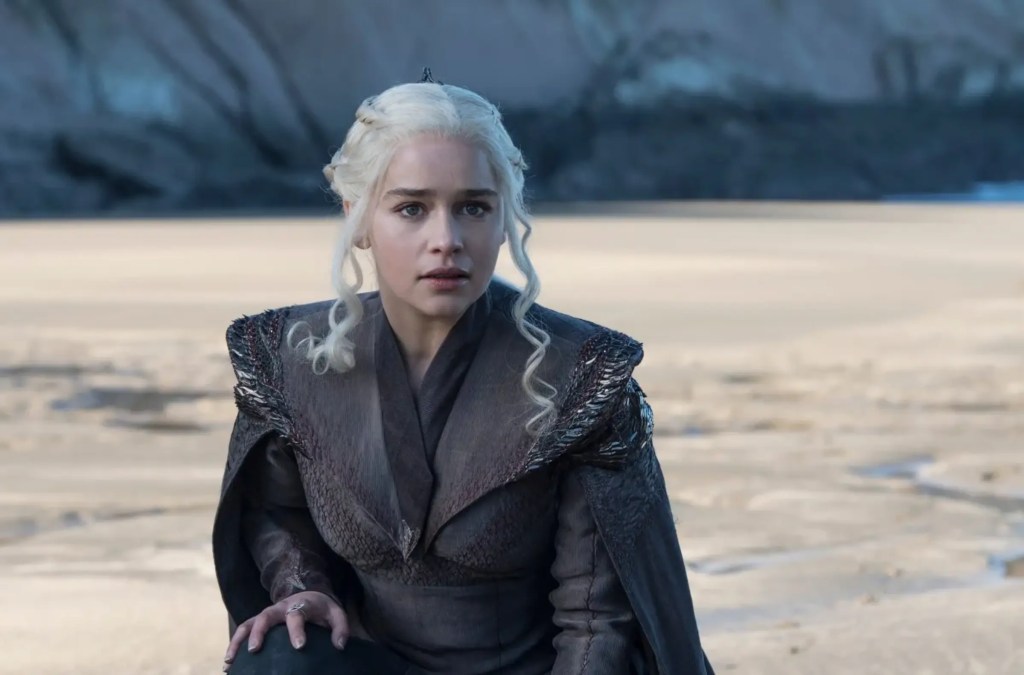
The final season of Game of Thrones was so terrible it nearly killed the franchise. The pacing felt off, the ending favoured Bram of all characters, and many argued that it had assassinated Daenerys Targaryen’s character. Not only did it make Jon Snow kill her — literal assassination — but it had turned a character who, for much of the series, served as a freedom fighter, freeing the slaves of the places she visited, into a villain.
Daenerys Targaryen started as a victim of both her remaining family and her circumstances, but through the early seasons, she managed to turn everything around. She went from a naive young woman to a politically aware strategist. Unfortunately, she’s unable to move past her belief in her birthright as ruler of the Seven Kingdoms, the thing that ultimately kills her. Daenerys Targaryen as a villain retroactively changes the course of Game of Thrones. It casts shades of grey on the franchise and limits who the heroes of Westeros can be, and whether vying for the Iron Throne inherently makes one a villain.
3. Harrison Wells (The Flash)
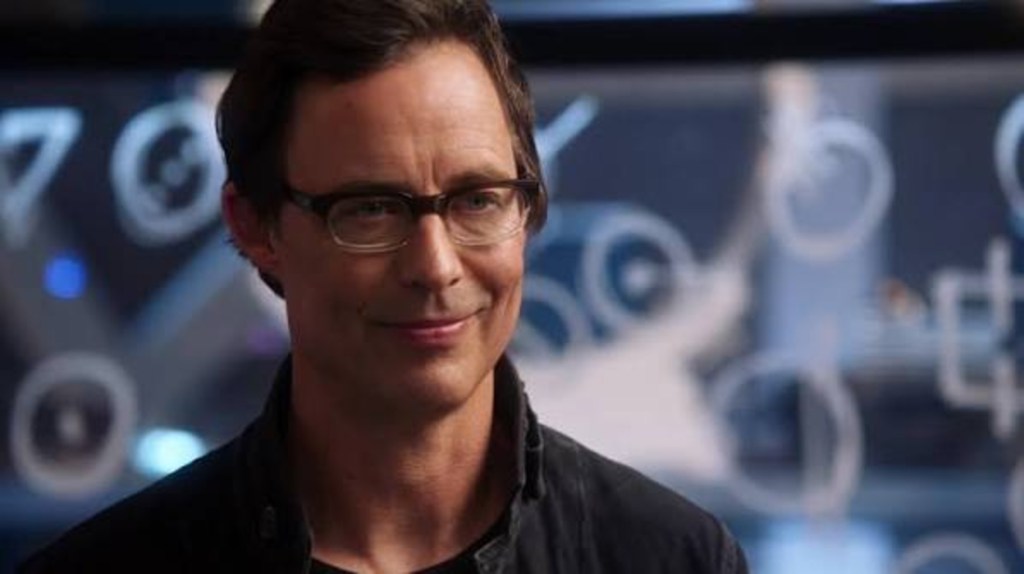
In terms of twist villains, nobody takes the cake quite like Harrison Wells from CW’s The Flash. As the Founder and the director of S.T.A.R. Labs, Harrison Wells gives no obvious reason to Barry Allen why he shouldn’t trust him. Yes, he’s responsible for the particle accelerator explosion, but that means he’s uniquely equipped to help him. Wells is close with scientists Caitlin Snow and Cisco Ramon, and the three of them make up Team Flash, helping Barry to stop the metahumans of the week and adjust to his newfound powers. As the first season progresses, the audience learns there’s something not quite right about Harrison Wells, but even then, the twist still manages to shock viewers. Not only is Harrison Wells from the future, but he’s not actually Harrison Wells.
Instead, he’s Eobard Thawne, aka the Reverse Flash. Thawne hailed from the future and initially idolized the Flash. He quickly changed his feelings, though, once he learned it was his destiny to be the Flash’s greatest enemy. The Reverse Flash not only murders and takes the place of the original Harrison Wells, but also goes back in time to frame Barry’s dad for the murder of Barry’s mom. This murder is so essential to Barry’s characterization and the plot of the show that the series cannot exist without the Reverse Flash.
2. The Trio (Buffy the Vampire Slayer)
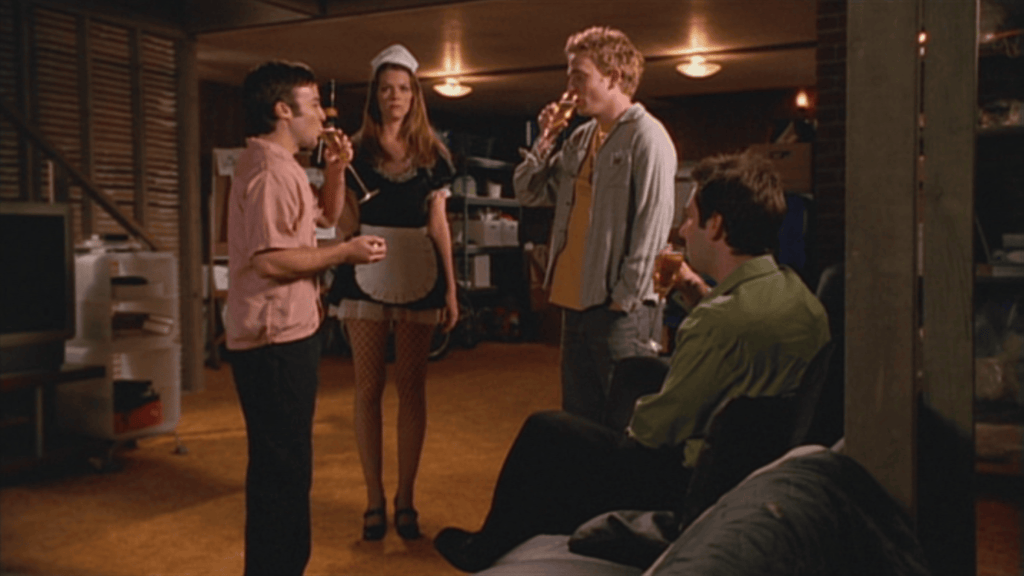
Buffy the Vampire Slayer is known for its iconic characters, especially its villains. There’s soulless Angel, the Master, Spike, wayward Slayer Faith, but also three random dudes? After having Buffy literally fight a literal goddess with Glory in season five, season six took a different approach. When not dealing with the aftermath of resurrecting Buffy from the dead or Willow’s magic addiction, Buffy and the Scoobies had to deal with the Trio.
The Trio was composed of Warren Mears, Andrew Wells, and Jonathan Levinson, with both Jonathan and Warren as previously recurring characters on Buffy. In previous appearances, Jonathan and Warren were nuisances at worst, with nobody on the Scoobies seeing them as a real threat past their individual episodes. In season six, the Scoobies don’t even realize that the Trio is to blame for problems until midway through the season. Although Warren Mears creates a literal robot replica of Buffy for Spike in season five, the show plays it off for laughs. It isn’t until he fires a bullet that hits and kills Tara, Willow’s girlfriend, that he faces real consequences. Willow becomes Dark Willow, fully succumbing to magical addiction, and kills him. Willow’s relationship with magic would dominate the last season of the show, with her having to learn how to use it in a healthy way.
1. The Master (Doctor Who)
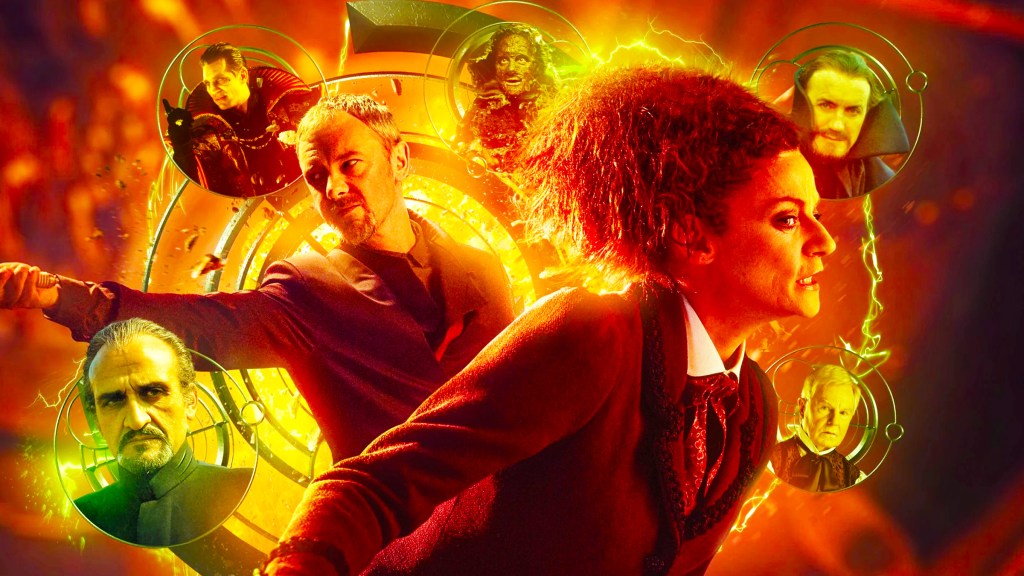
The Master, especially in the modern era of Doctor Who, is obsessed with hiding in plain sight. From a politician in Series 3, a funeral director in Series 8, and a member of a spy organization in Series 12, the Master is always pretending to be somebody else. The Master in Series 3 was able to slink into the background with the Doctor not paying attention until the Master’s plan was quite literally unfolding before him. Through time travel, the Master is able to be one step ahead, and even when the Doctor has caught on, the Master manages to use time travel to their advantage, leaving the Doctor on unsteady ground.
Each time that the Doctor has gone face to face with the Master, it has had lasting consequences for them. The Master, during the Tenth Doctor (David Tennant)’s run, put companion Martha Jones and her family through hell, finally convincing the Doctor’s companion to leave the Doctor and get out. The Doctor may have cared for her, but the Doctor also cared for the Master, offering him the chance to travel with him and not thinking about how his pre-existing companion might feel about it.
Michelle Gomez’s iteration of the Master is not only responsible for turning Clara Oswald’s boyfriend into a Cyberman but is the very reason why Clara Oswald is traveling with the Doctor. Missy likened setting up the Doctor and Clara to giving the Doctor a gift because Clara’s the closest to the Master that the Doctor would accept as a companion. After all, travelling with Clara sent the Doctor to such an extreme that they had to delete their memories of her in order to stop breaking every code they ever lived by.
During the 13th Doctor’s run, the Master not only tormented the companions and forced the Doctor to regenerate into the Master, but also blew up Gallifrey — after revealing that Gallifrey was still around, of course. It is the Master who reveals the Doctor’s secret history, leading audiences into the highly controversial “Timeless Child” storyline, a storyline that still reverberates through Doctor Who today.
Do you agree with our picks? What TV villains would make your list? Let us know in the comments below!
More TV Shows
-
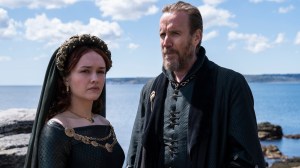
IMAGE COURTESY OF HBO -

Image courtesy of Warner Bros. Pictures