Before the MCU made its march to the top of the Hollywood mountain, Fox and Marvel Films were just starting to dip their toes into the water with an X-Men live-action TV movie. One of the ideas involved a group of lesser-known teen mutants who were not exactly household names, and the result was a 1996 TV movie that took an interesting approach to the comics. Not only did it assemble a list of comic book fan favorites with a few surprises, but its version of Xavier’s School for Gifted Youngsters looked awfully familiar to anybody who checked out the X-Men movies a decade later.
Videos by ComicBook.com
That film was Generation X, and it was never meant to be a one-off novelty. Fox and its creative team had grander plans. If the film was popular enough, it could spawn a TV series or even a handful of additional TV movies. That didn’t happen, but the film still provides us with a rather intriguing glimpse of a very different road Marvel’s live-action heroes might have gone down. Consider Generation X one of the earliest attempts to bring the X-Men into live-action television beyond their animated adventures.
How Generation X Managed to Bring Marvel’s Mutants to Live-Action Television
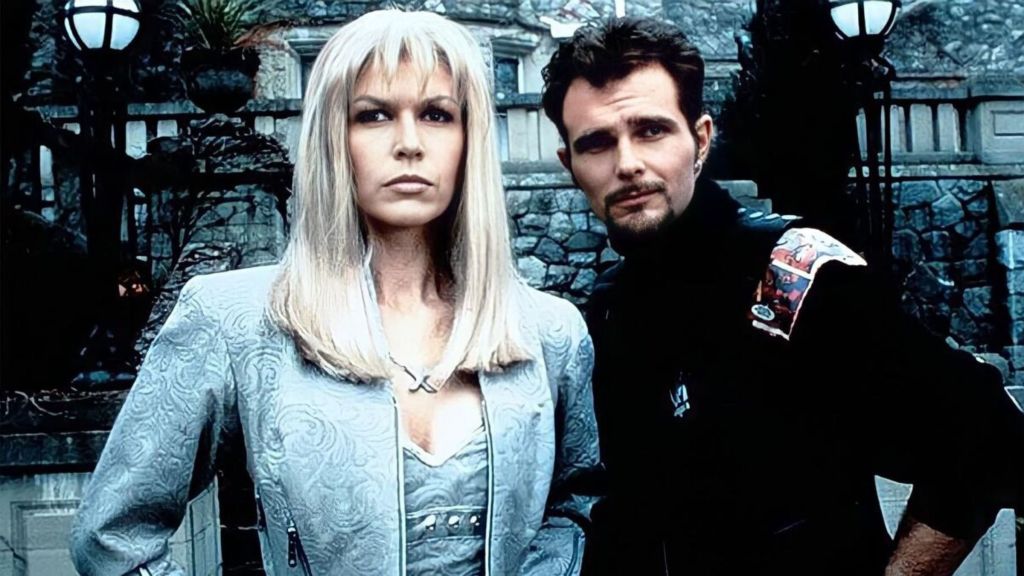
When Generation X premiered on Fox on February 20, 1996, it was a daring project, to say the least. This made-for-television film, produced by Fox, Marvel Films, and New World Entertainment, was based on Marvel’s comic-book series by the same name, and a spin-off Marvel’s X-Men comic book series. It portrayed a version of America that was less than welcoming to those born with the X-gene. The government enacted the Mutant Control Act, declaring that these individuals were mutants rather than citizens and requiring them to register and report to internment camps. Not exactly the warm welcome they were probably hoping for when they were still trying to figure out what their powers could do. Xavier’s School for Gifted Youngsters provided a number of those mutants with a place to learn what they could do and what it all meant.
The plot follows a group of young mutants learning to control their unusual abilities at Xavier’s School for Gifted Youngsters. It’s there where they find a place to belong in a world that fears them. Their attempts to adjust to life at the school take an unexpected turn when a mysterious scientist named Russell Tresh begins targeting mutants for his own experiments. It’s a story about friendship, acceptance, and the challenges of growing up different, with a distinctly 1990s superhero twist.
Overall, I think the casting was pretty good. Heather McComb played Jubilee. Amarilis was given the role of Monet St. Croix, aka M, and Agustin Rodriguez played Skin. Suzanne Davis was Buff, Randall Slavin was Refrax, and Bumper Robinson was Mondo. Finola Hughes played Emma Frost, Jeremy Ratchford played Sean Cassidy, aka Banshee, and Matt Frewer was Russell Tresh. I also thought that considering it was an 87-minute TV movie with a $4 million price tag, that is an impressive lineup of Marvel characters and actors. Fox and its production partners must have been hoping the comics and the X-Men Saturday morning cartoon would give them a head start in hooking viewers along. If enough folks showed up, there was room to do much more with them.
Why Generation X Diverged So Much From the Comics
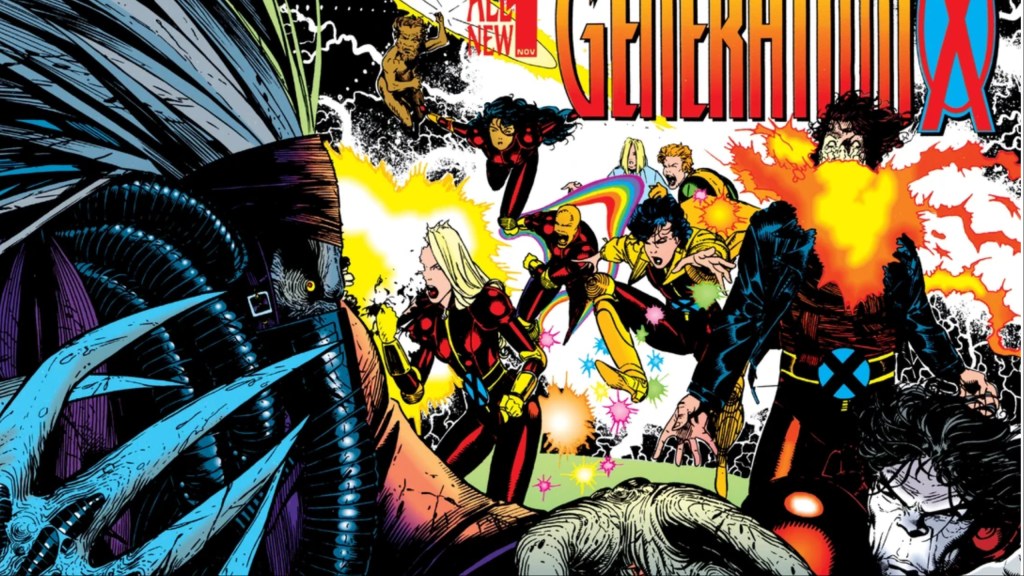
One of the more interesting things about Generation X was just how much the production had to revise its comic-book roster. Some characters simply weren’t possible with the effects the TV movie had to offer. Executive producer and screenwriter Eric Blakeney told the Los Angeles Times that Chamber was too cost-prohibitive because of the constant energy effect on his chest and lower face. Other characters didn’t make the final version. A retrospective named Chamber, Husk, and Synch among the omissions, while Penance’s complicated backstory was too involved for a first appearance. Instead, Buff and Refrax were new additions to the team. Screenwriter Eric Blakeney developed the characters, with Scott Lobdell potentially contributing their names.. The production even suggested they could be incorporated into the comics if people liked them. Sadly, Buff and Refrax never made it into the comics and only exists in the TV show.
The film also found an oddball villain in Russell Tresh, played by Matt Frewer. Tresh was a scientist who had once worked with Emma Frost before becoming an underhanded advertising pitchman. He’d invented a device that allowed him to enter the dream dimension, and he was out to capture a brain cell from one of the young mutants for his experiments. Good way to complicate a teenager’s experience at school. There was plenty of mutating going on with the cast, but underneath it all, Generation X was still basically an X-Men story: misfits with strange abilities in a world afraid of things it doesn’t understand. Unfortunately, the film never received the follow-up Fox had hoped for. No TV series, no additional TV movies, just a four-year gap until X-Men finally opened in theaters and changed everything. It’s fun to speculate about what might have happened with this odd little experiment.
What do you think about this little-known TV show? Let us know if you think it’s still worth watching and if you like Generation X!
More Movies
-

IMAGE COURTESY OF WARNER BROS. -

Image Courtesy of Marvel -
Image Courtesy of Marvel